 Versione italiana
 Deutsche Fassung
 Albar
 Alfa Romeo
 Amilcar
 Aston Martin
 Audi
 Austin
 Austin-Healey
 Autobianchi
 Bentley
 BMW
 Brightweel
 Cadillac
 Chevrolet
 Citroën
 Daimler
 DKW
 Ferrari
 Fiat
 Ford
 Innocenti
 Iveco
 Jaguar
 Lamborghini
 Lancia
 Lotus
 Maserati
 Mercedes-Benz
 MG
 Mini
 Mitsubishi
 Morgan
 Morris
 Nash Healey
 NSU
 Opel
 Porsche
 Renault
 Rolls-Royce
 Siata
 Simca
 Studebaker
 Subaru
 Triumph
 Volkswagen
 Benelli
 BSA
 Ducati
 Honda
 Kawasaki
 Moto Guzzi
 NSU
 Ossa
 Piaggio
 Suzuki
 SWM
 Yamaha
Maserati Spyder 4.2 Cambiocorsa - 2003
€ 44.000 41.000
Financing options

limited time offer
30/11/2026
Description
"LUZZAGO PREMIUM QUALITY" vehicles are selected by us for their high quality. Each vehicle is awarded this distinction according to rigorous criteria.
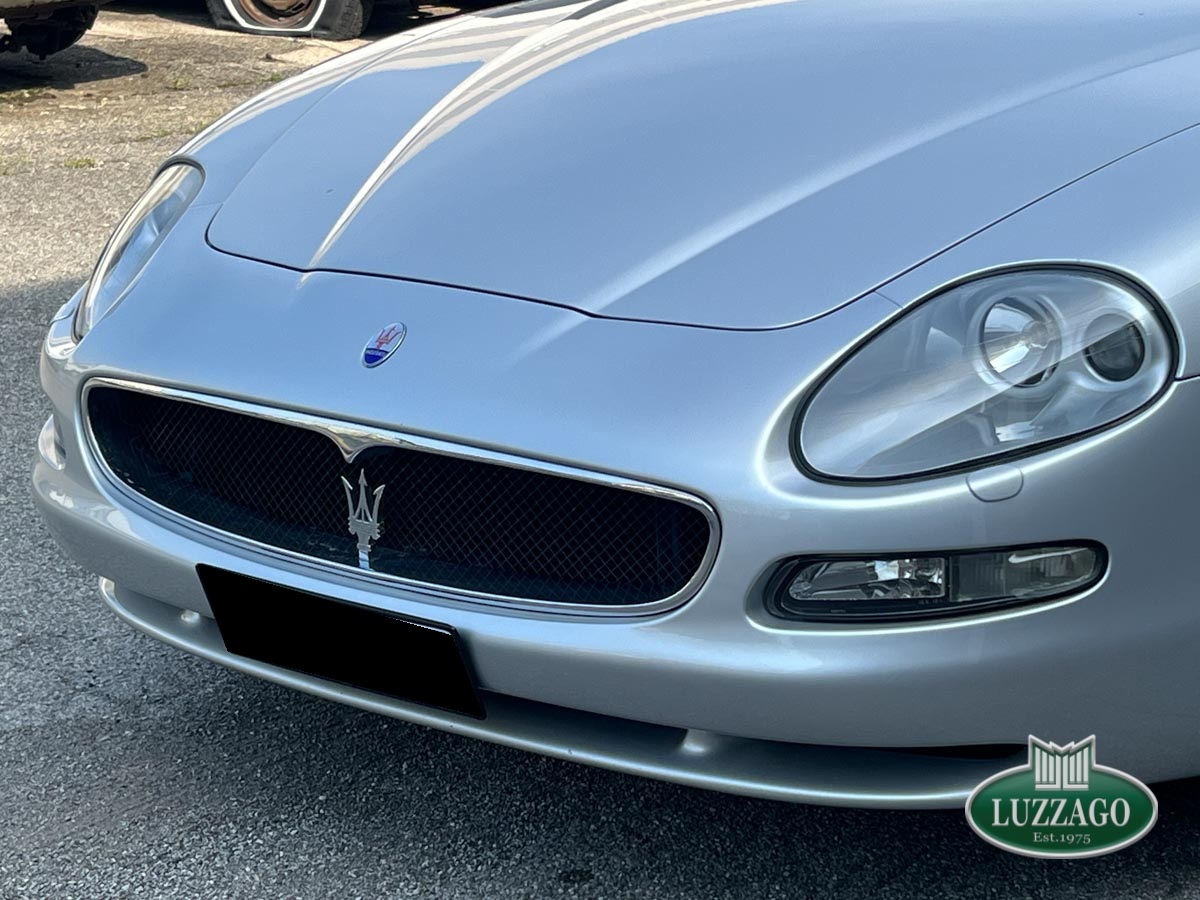
Maserati Spyder 4.2 Cambiocorsa year October 2001. Car in excellent condition. Complete service history, all maintenance has always been performed at Maserati and Rossocorsa dealers, all invoiced and documented. Maserati construction certification. Registered with CRS ASI as a vehicle of historical collector interest. The complete set of use and maintenance manuals, car radio, original services are also available.
Model history and curiosity
The arrival of the Maserati Spyder 4.2 Cambiocorsa—unveiled at the Frankfurt Motor Show in September 2001 and hitting the roads in 2002—marks one of the most pivotal and compelling turning points in the modern history of the Trident. It was not merely the addition of an open-top version to the lineup; rather, it served as the cornerstone for the definitive global relaunch of the Modena-based brand under the aegis of Ferrari, culminating in a historic return to the North American market after an absence of more than a decade.
In the late 1990s, following the 1997 acquisition by Ferrari, Luca Cordero di Montezemolo initiated a comprehensive restructuring of the Viale Ciro Menotti facility in Modena. The first fruit of this new era was the 1998 3200 GT—a coupé still deeply rooted in the technical legacy of the De Tomaso era, powered by a twin-turbo V8 derived from the Shamal and distinguished by its iconic "boomerang" taillights. However, to successfully re-enter the United States—a vital market for open-top grand tourers, where regulations regarding taillights and emissions were exceptionally stringent—a clean break from the recent past was required. The Spyder (project code M138) was conceived with this specific strategic mission: it was to be the progenitor of a new technical generation, even before these advancements were applied to its closed-roof sibling (which would debut as the Coupé in 2002).
For its design, the company once again turned to Giorgetto Giugiaro and his firm, Italdesign, who had previously penned the 3200 GT. While the aesthetic approach preserved the fluid, muscular elegance of the coupé, the design revisions were far more extensive than they appeared at first glance. The wheelbase was shortened by a full 22 centimeters, transforming the car into a true two-seater with compact, aggressive, and exceptionally well-balanced proportions, featuring short overhangs and a sleek waistline. The multi-layered fabric soft-top—operated by a sophisticated electro-hydraulic mechanism that took approximately thirty seconds to open or close—retracted completely beneath a rigid tonneau cover (color-matched to the bodywork). This kept the rear profile clean and uncluttered, while also incorporating two fixed roll bars behind the headrests.
The real revolution, however, lay beneath the hood and throughout the entire drivetrain. The Spyder definitively abandoned the twin-turbocharged induction system that had defined the "Biturbo" era—and the 3200 GT itself—in favor of a new naturally aspirated 4,244 cc V8 engine (codenamed F136), developed in Maranello in close collaboration with Ferrari. This light-alloy engine featured a 90-degree cylinder bank angle, dual overhead camshafts with four valves per cylinder, continuous variable valve timing, and a dry-sump lubrication system—a refined solution that significantly lowered the car's center of gravity. It produced 390 horsepower at 7,000 rpm, accompanied by a sharp, metallic, and ferocious exhaust note that signaled the return of Italy’s great tradition of naturally aspirated high-performance engines.
The mechanical layout was made even more advanced and distinctive by its transaxle architecture. The transmission was mounted at the rear, integrated with a limited-slip differential, and connected to the front-mounted engine via a rigid steel torque tube. This technical choice allowed for an almost ideal weight distribution—53% on the front axle and 47% on the rear—endowing the car with a level of neutrality and precision when entering corners that was previously unknown in Maserati models. It was in the transmission, however, that the most significant innovation—which also gave its name to the most iconic version—was introduced: the "Cambiocorsa" system. Derived directly from Scuderia Ferrari’s Formula 1 experience and the F1 gearbox found in the 360 Modena, this was a six-speed robotized manual transmission. It lacked a clutch pedal and was instead operated via two aluminum paddles mounted on the steering column. An electro-hydraulic system managed gear engagement and automatic rev-matching during downshifts, with shift speeds varying according to the mode selected by the driver (Normal, Sport, Automatic, or Low-Grip). This enabled the Spyder to accelerate from 0 to 100 km/h in exactly 5 seconds and reach a top speed of 283 km/h.
When the Maserati Spyder 4.2 Cambiocorsa debuted on the market in 2002, it was hailed not merely as a fast and seductive car, but as a tangible symbol of the "Trident’s" rebirth: a vehicle that combined the artisanal charm of Poltrona Frau leather interiors—along with a characteristically Modenese sense of understated elegance—with the technological heart and performance capabilities of the finest engineering from Maranello.
Gallery




Technical data
Optional
Terms of sale
Automotive practices
You may also be interested
Find your dream car
€ 16.000
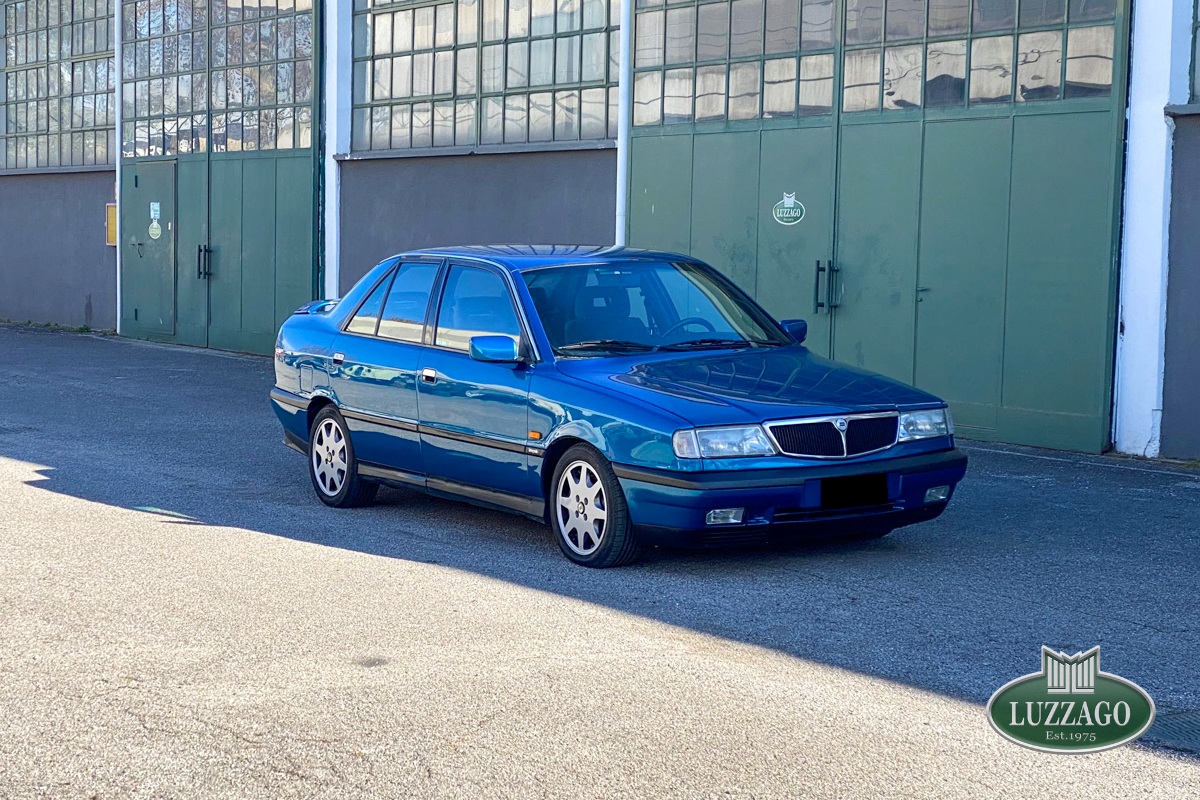
Lancia Dedra 2000ie Turbo HF Integrale - 1993
C000 - Service book, Lancia Heritage
€ 6.500
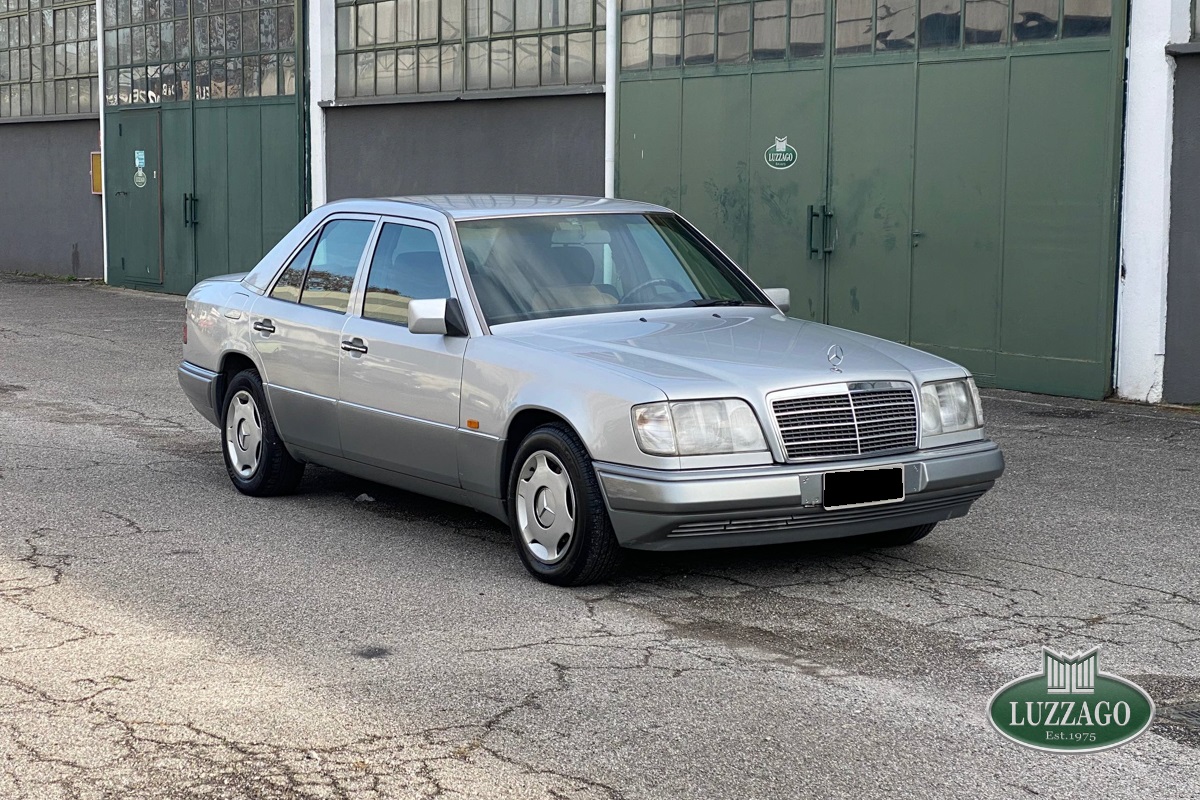
Mercedes-Benz E200 Manual S3 (W124) - 1994
C000 - One owner

€ 9.500
Fiat Punto S Cabriolet - 1994
INT16
€ 95.000
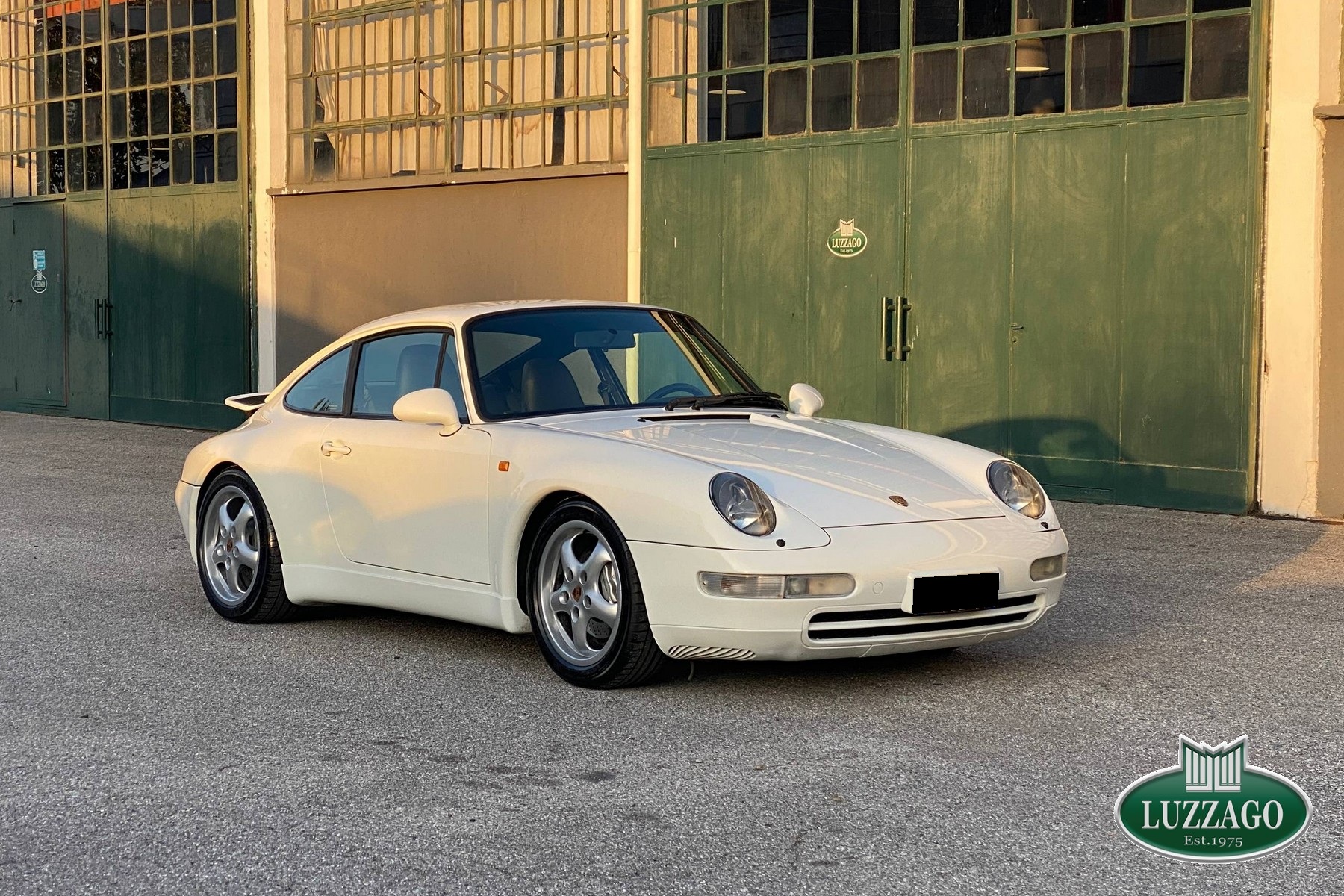
Porsche 911 993 Carrera 4 Coupè Manual - 1995
C1145 - Complete service history

€ 4.800
Fiat Punto S Cabriolet - 1996
C1123
€ 16.500
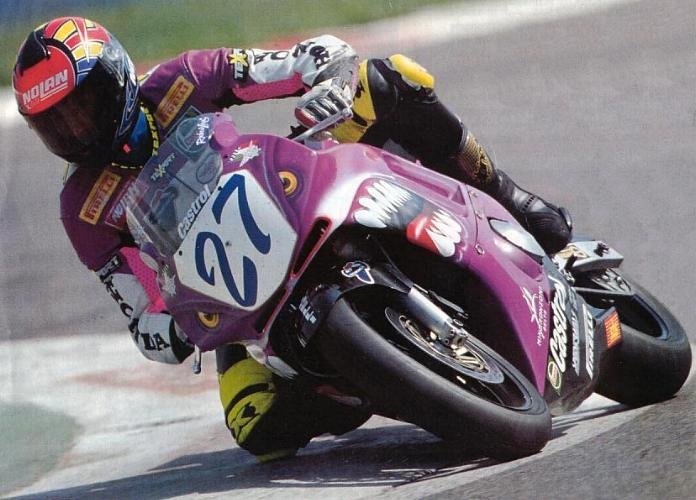
Honda CBR 600 F Team Rumi (Ex Rubèn Xaus) - 1997
C1040 - Official Certifications,1997 Supersport World Championship
€ 12.900
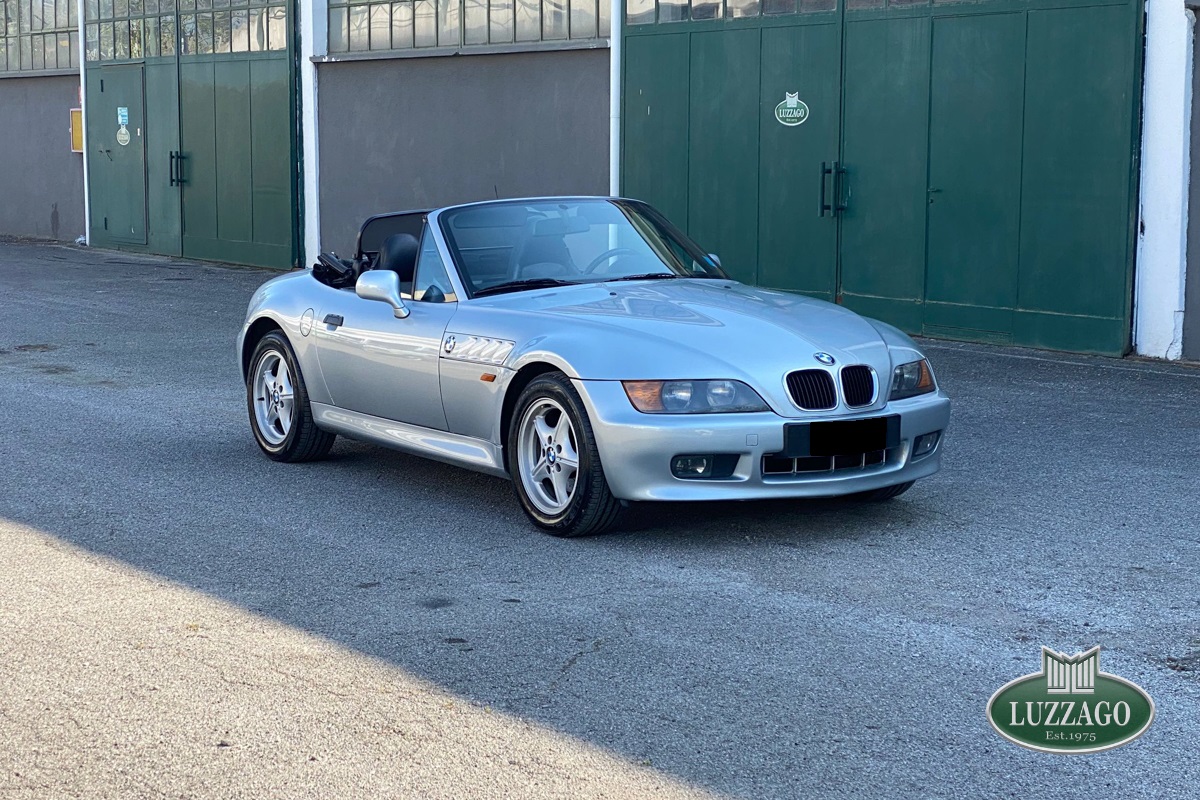
BMW Z3 Roadster 1.8 - 1997
C1107

Prezzo su Richiesta - P.O.R.
Alfa Romeo 156 2.0i 16V Twin Spark - 1998
C000 - RIAR
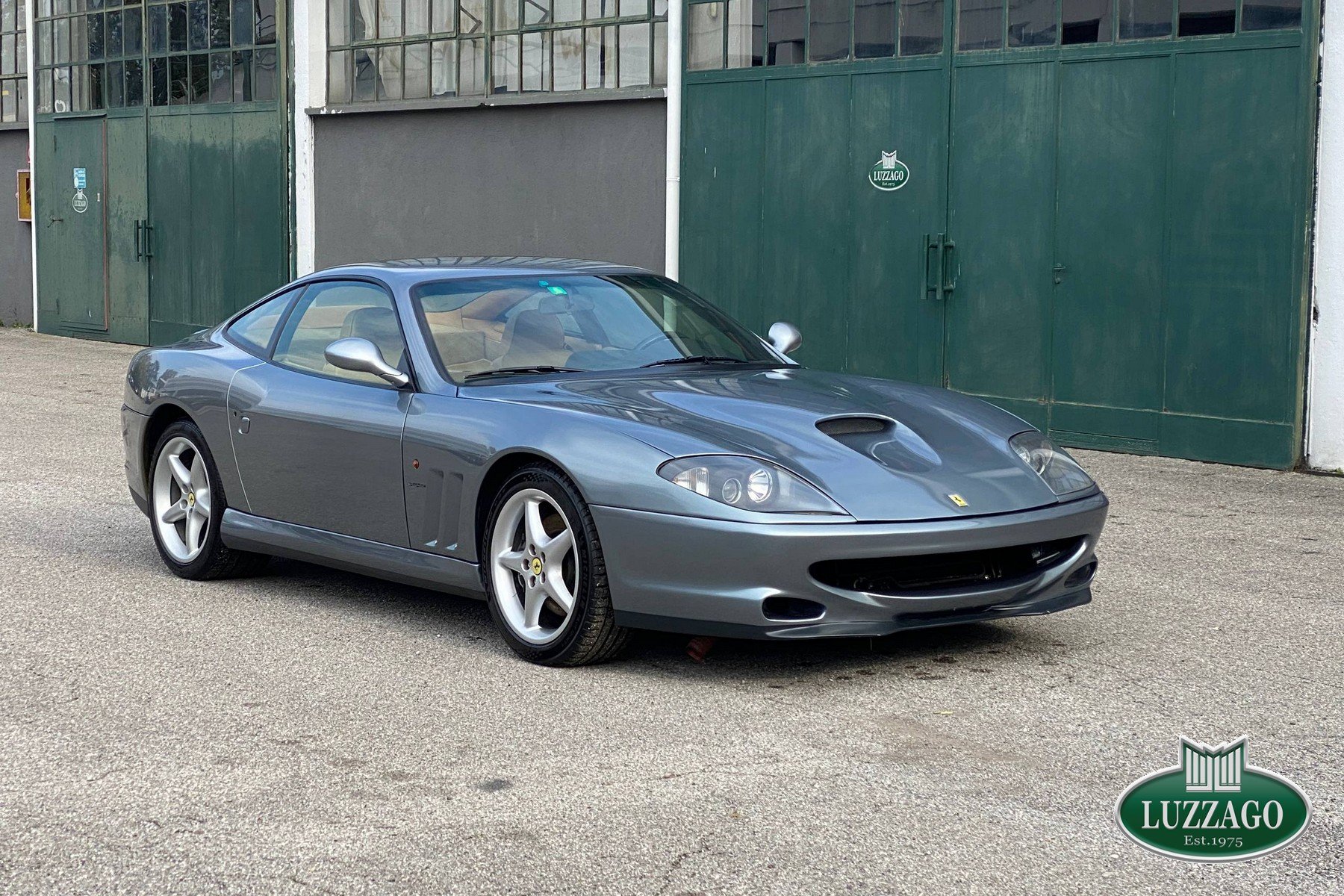
€ 120.000
Ferrari 550 Maranello - 1998
C000
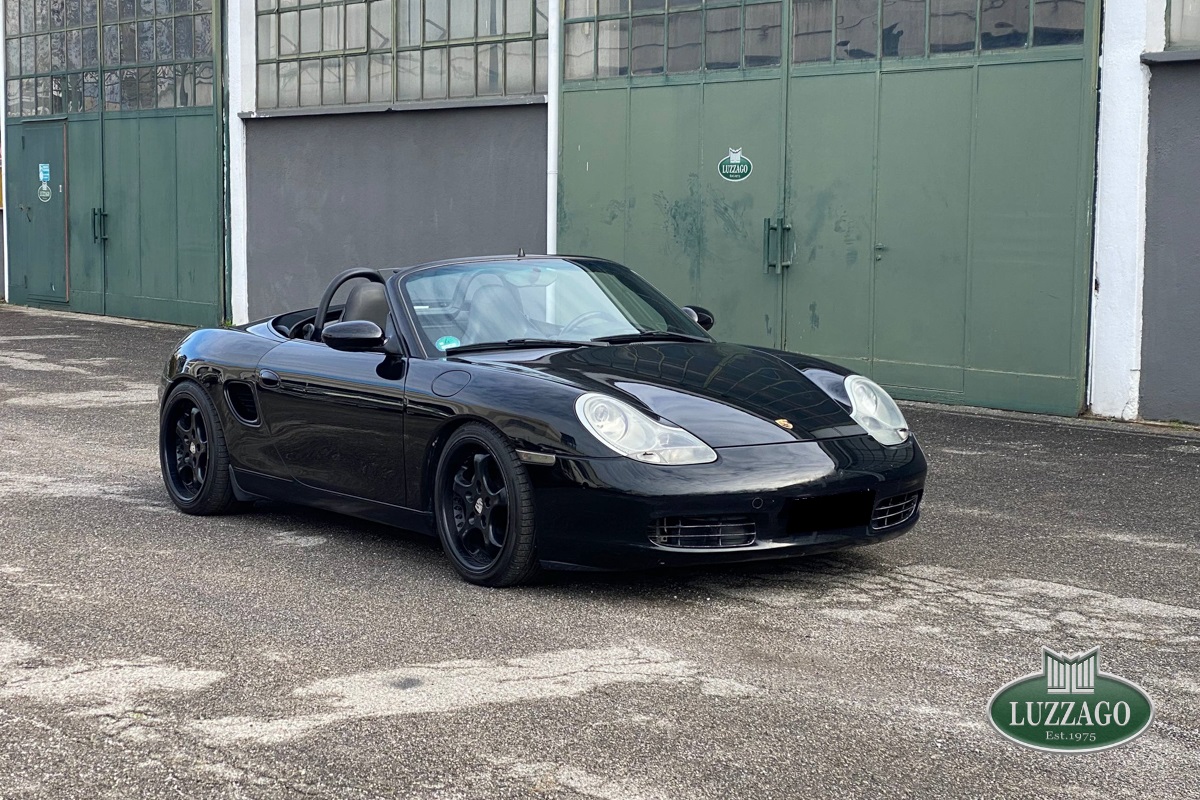
€ 22.000
Porsche 986 Boxster 2.5 S1 - 1999
C000
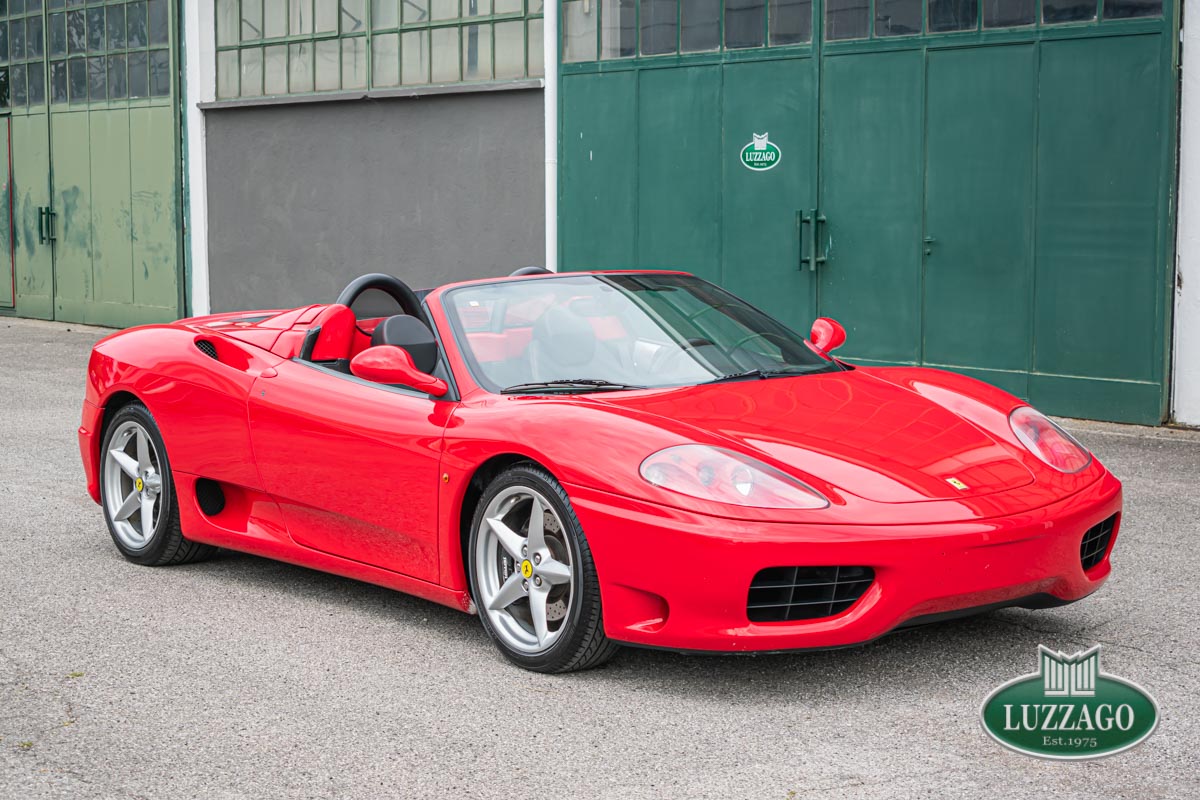
€ 147.000
Ferrari 360 Modena Spider Manuale (1 of 1641) - 2000
C000 - Complete service history

Prezzo su Richiesta - P.O.R
Mercedes-Benz A 170 - 2000
L120

€ 16.000
Mercedes-Benz SLK 320 Manuel S1 - 2000
C000
limited time offer
30/11/2026
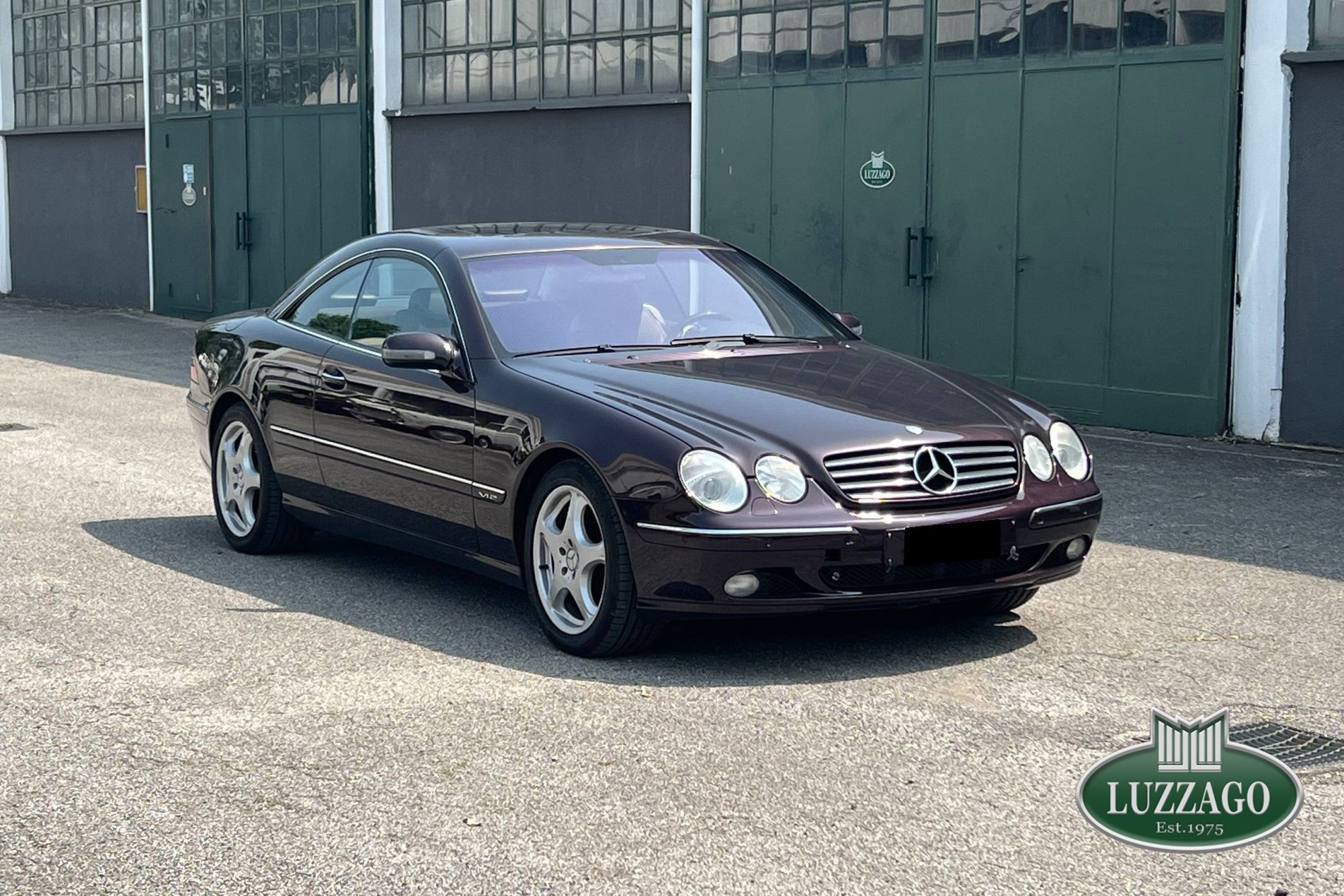
€ 19.900 15.000
Mercedes-Benz 600 CL (C215) - 2001
L558 - Complete service history
Prezzo su richiesta - P.O.R.
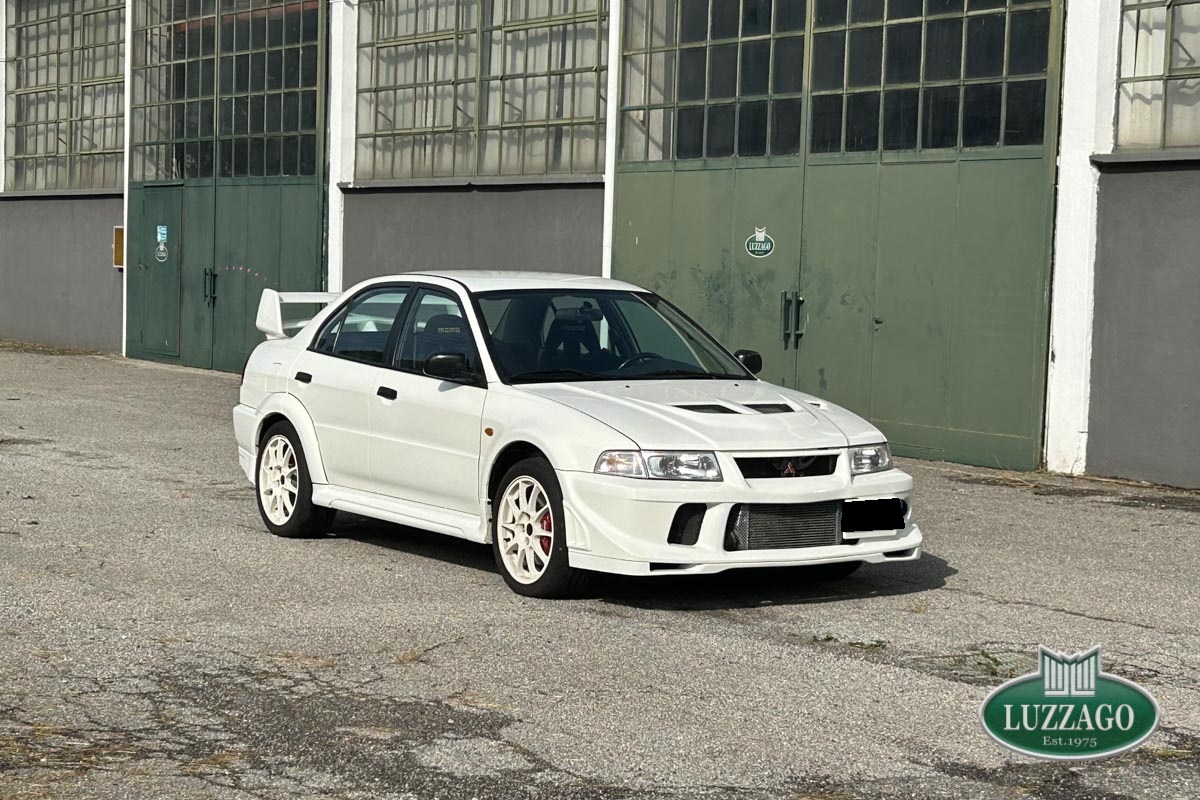
Mitsubishi Lancer Evolution VI Tommi Mäkinen Edition RS LHD (SNDFL) (Homologation Special 1 of 112) - 2001
C1071
€ 48.000
Maserati Spyder 4.2 Cambiocorsa - 2002
C000 - Complete service history
€ 8.750
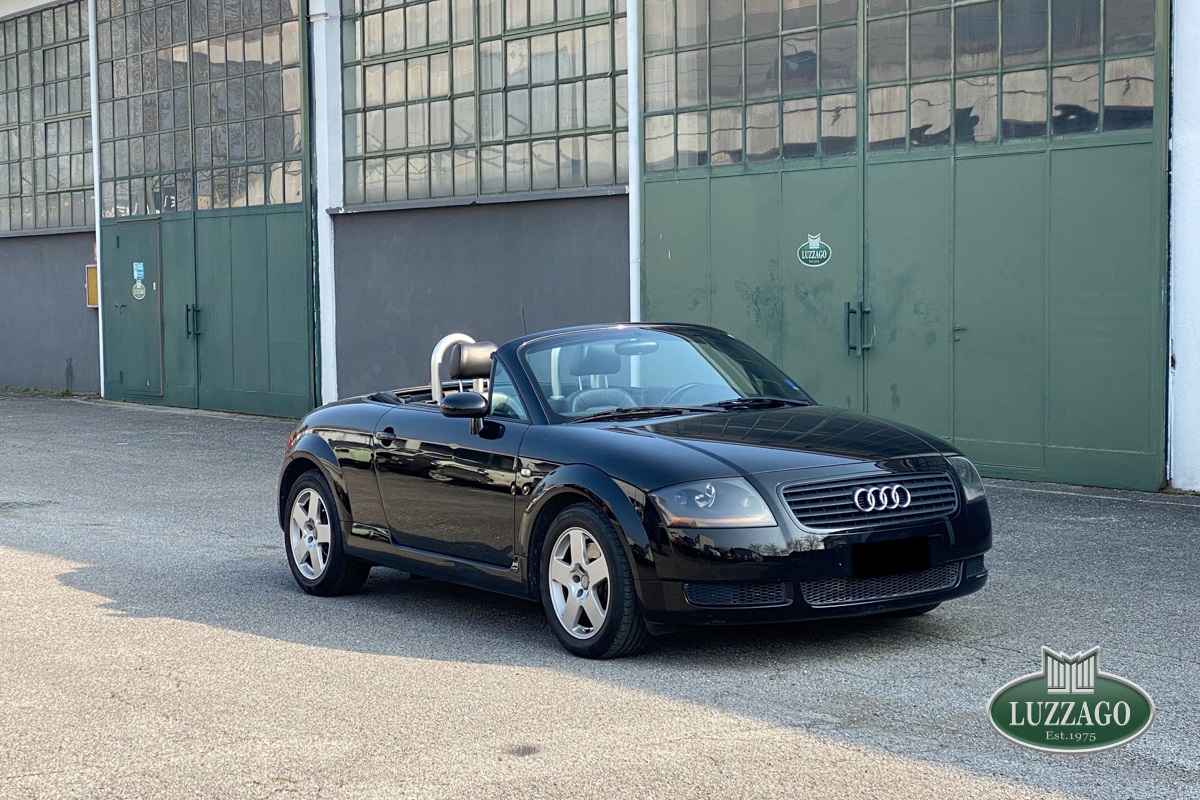
Audi TT Roadster 1.8 T 20V 179 CV S1 - 2002
C000 - Service book
€ 5.500
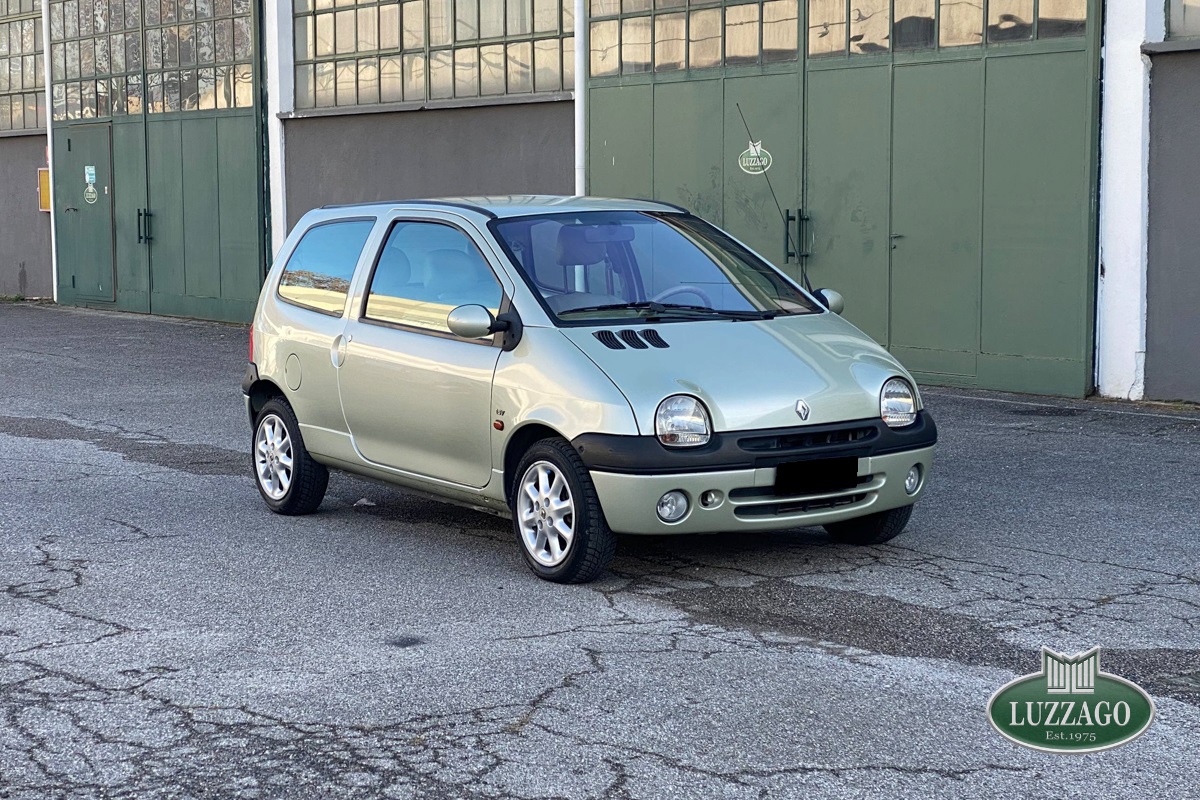
Renault Twingo Initiale 1.2 16v - 2002
C000
Prezzo su richiesta - P.O.R.
Ferrari 612 Scaglietti F1 - 2004
C000



 CA Auto Bank offer subject to approval. Pre-contractual documentation at the Dealership and on the CA Auto Bank website (Transparency section). Advertising message for promotional purposes.