 Versione italiana
 Deutsche Fassung
 Albar
 Alfa Romeo
 Amilcar
 Aston Martin
 Audi
 Austin
 Austin-Healey
 Autobianchi
 Bentley
 BMW
 Brightweel
 Cadillac
 Chevrolet
 Citroën
 Daimler
 DKW
 Ferrari
 Fiat
 Ford
 Innocenti
 Iveco
 Jaguar
 Lamborghini
 Lancia
 Lotus
 Maserati
 Mercedes-Benz
 MG
 Mini
 Mitsubishi
 Morgan
 Morris
 Nash Healey
 NSU
 Opel
 Porsche
 Renault
 Rolls-Royce
 Siata
 Simca
 Studebaker
 Subaru
 Triumph
 Volkswagen
 Benelli
 BSA
 Ducati
 Honda
 Kawasaki
 Moto Guzzi
 NSU
 Ossa
 Piaggio
 Suzuki
 SWM
 Yamaha
Alfa Romeo 156 2.0i 16V Twin Spark - 1998
Prezzo su Richiesta - P.O.R.
Financing options
Model history and curiosity
The story of the Alfa Romeo 156 begins in the mid-1990s—a delicate and pivotal moment for the brand. Following the end of the rear-wheel-drive era (epitomized by the 75 model), the transition under the umbrella of the Fiat Group, and the arrival of the 155—a sedan that was technically sound but often criticized by purists for its overly angular design and clear kinship with the Fiat Tempra—there was a vital need for a comeback at Arese. The goal of this internal project, codenamed "Tipo 932," was ambitious: to reclaim the brand’s sporting soul and international prestige, allowing Alfa Romeo to compete on equal footing with German sedans like the BMW 3 Series and the Audi A4.
The first major turning point came from the Alfa Romeo Centro Stile, then led by Walter de Silva. The core concept was to break away from the established aesthetic conventions of the classic three-box sedan, transforming the 156 into something akin to a four-door coupé. The sharp, boxy lines gave way to muscular, sinuous, and sculpted surfaces—rich in historical references yet firmly oriented toward the future. The front end once again centered on the classic Alfa "shield" (scudetto), which was so prominent that the front license plate had to be relocated to the left side—a detail that instantly became iconic. Even more revolutionary was the decision to integrate the rear door handles into the window pillars, concealing them within black plastic trim to mimic the sleek profile of a two-door car; this was complemented by side character lines that paid homage to the historic Giulietta Sprint of the 1950s. The interior followed the same philosophy, featuring a dashboard oriented toward the driver and two large, deeply recessed circular gauges—a clear homage to the Alfa Romeos of the 1960s.
Given such a seductive exterior, the designers knew they could not afford to disappoint when it came to the driving experience. Although the foundation was a platform derived from the Fiat Group’s "Tipo 2" architecture, the 156’s chassis was extensively revised, stiffened, and lightened through the use of magnesium alloys for the dashboard structure and high-strength steels. The true technical masterstroke, however, lay in the suspension system: the engineers opted to move away from simple MacPherson strut setups in favor of more sophisticated solutions. At the front, they implemented a unique high-mounted double-wishbone configuration, which delivered a level of corner-entry precision and roll control previously unseen in the front-wheel-drive rivals of that era. At the rear, they employed an advanced MacPherson-based system with asymmetric transverse arms, designed to provide a subtle self-steering effect, keeping the rear end stable yet responsive during weight transfers.
Within this technical framework sits the 2.0i 16V Twin Spark engine—the beating heart and most well-balanced powerplant in the lineup at the time of the model’s commercial debut (which took place in the autumn of 1997, with a full rollout across European markets following in 1998). This unit belonged to the "Pratola Serra" engine family—featuring a cast-iron block and a light-alloy cylinder head—but it was significantly refined and elevated by Alfa Romeo’s engineers to keep the legacy of the classic "bialbero" (twin-cam) engines from Arese alive. Its defining feature was the dual-ignition system, utilizing two spark plugs of different diameters per cylinder. These fired asymmetrically to optimize combustion, improve low-end throttle response, and reduce both fuel consumption and emissions.
The technical profile of the 2.0 Twin Spark was further enhanced by a four-valve-per-cylinder valvetrain, an electro-hydraulic variable valve timing system on the intake camshaft, and a variable-geometry intake manifold. These features enabled the 1,970 cc four-cylinder engine to produce 155 horsepower at 6,400 rpm, while dual counter-rotating balance shafts dampened vibrations at high engine speeds. On the road, this engine gave the 156 a spirited, flexible character—capable of pulling vigorously all the way to 7,000 rpm with an unmistakable metallic exhaust note. It allowed the sedan to accelerate from 0 to 100 km/h in just over eight and a half seconds and reach a top speed exceeding 215 km/h.
The result was an immediate and unanimous triumph. Unveiled at the 1997 Frankfurt Motor Show, the 156 won over both critics and the public, ultimately earning the prestigious "Car of the Year 1998" title—the first Alfa Romeo model in history to receive this honor. The 2.0 Twin Spark version quickly became a benchmark for enthusiasts, perfectly embodying the brand's resurgence: a sedan that thrilled as much through the purity of its design as it did through its dynamic prowess on winding roads.
Technical data
Optional
Terms of sale
Automotive practices
You may also be interested
Find your dream car
€ 25.000
Volkswagen Albar Beach Buggy S 1600 - 1988
C147
€ 25.000
Albar Beach Buggy S 1600 - 1988
C1147

€ 4.900
Renault R4 TL - 1988
C553

€ 36.000
Mercedes-Benz 560 SEC - 1989
C1012

€ 14.000
Fiat Panda 4x4 Sisley - 1989
INT28 - Limited Edition
€ 33.000
Maserati Spyder i.e. (Spyder '90) - 1990
C1141

€ 43.000
BMW Z1 (1 of 8000) - 1991
C974
€ 27.000
Mercedes-Benz 300 SL-24 (R129) - 1992
C1100
€ 4.500
Austin Carbodies Taxi FX4W Fairway - 1992
C1078

€ 18.000
Lancia Delta 1600 Turbo HF - 1992
C000
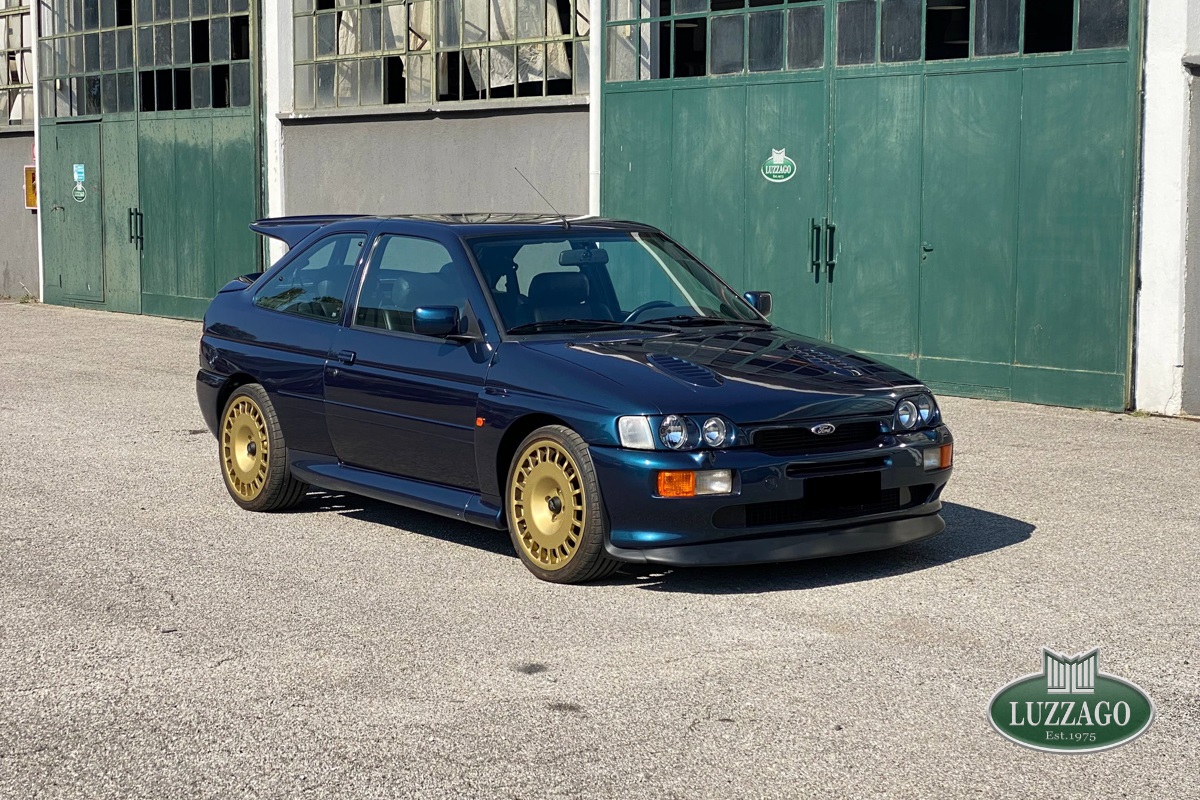
Prezzo su richiesta - P.O.R.
Ford Escort RS Cosworth S2 (1 of 7145) - 1992
C000
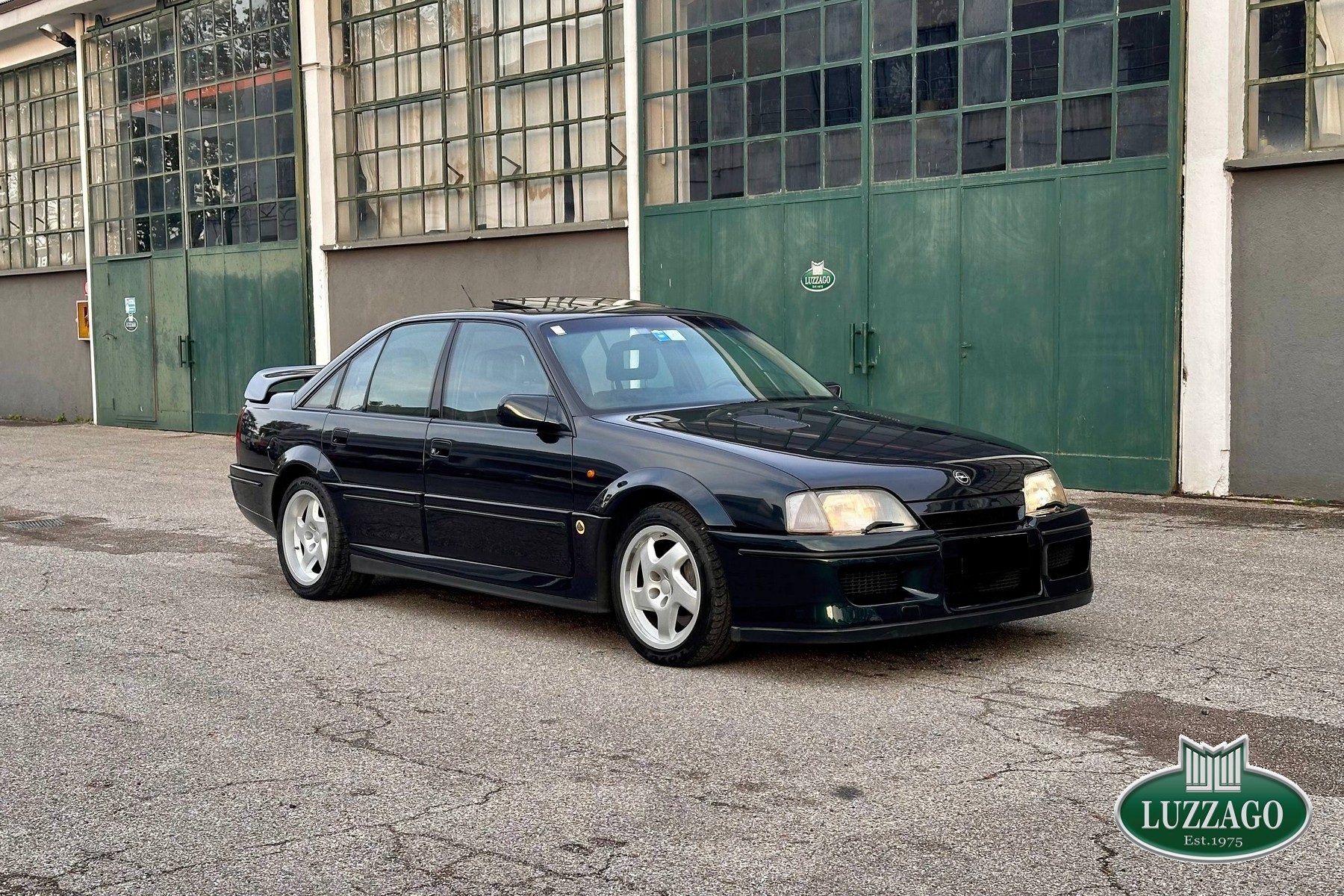
Prezzo su richiesta - P.O.R.
Opel Omega Lotus 3.6 Turbo (1 of 70) - 1992
C000 - One Owner
Prezzo su richiesta - P.O.R.
Lotus Opel Omega 3.6 Turbo (1 of 70) - 1992
C000 - One Owner
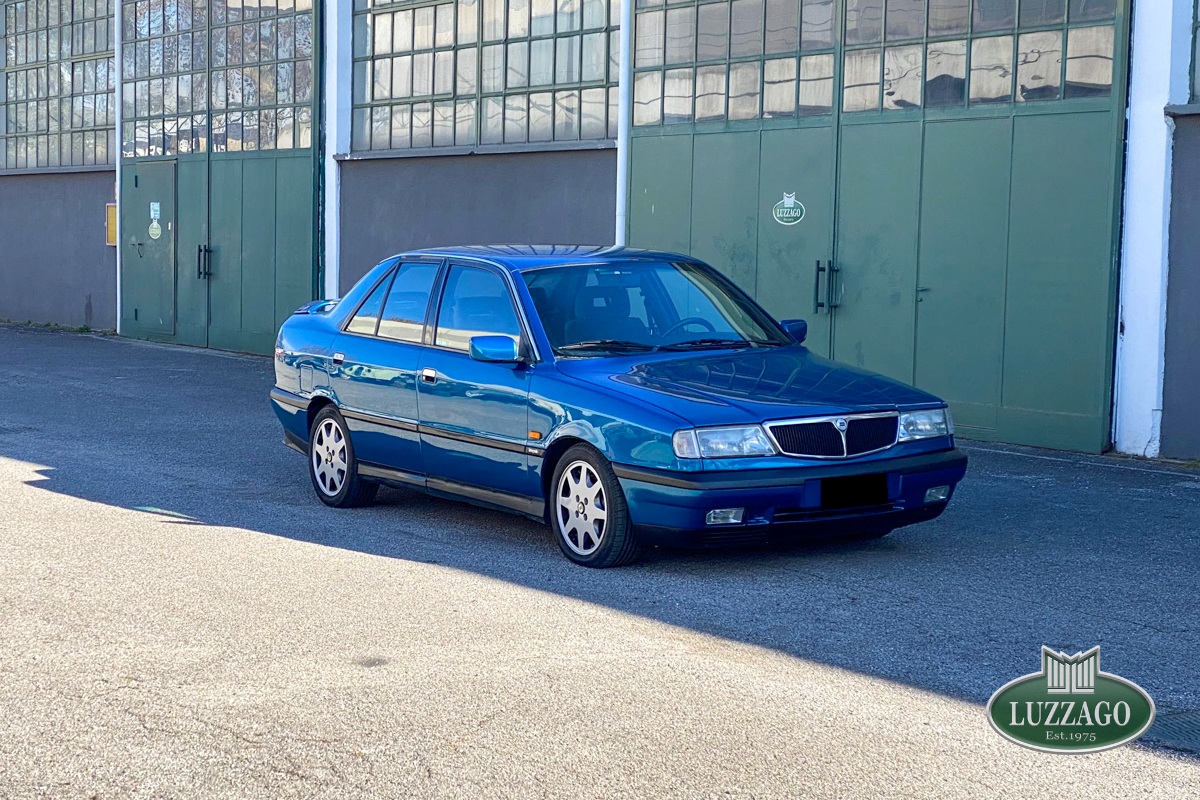
€ 16.000
Lancia Dedra 2000ie Turbo HF Integrale - 1993
C000 - Service book, Lancia Heritage
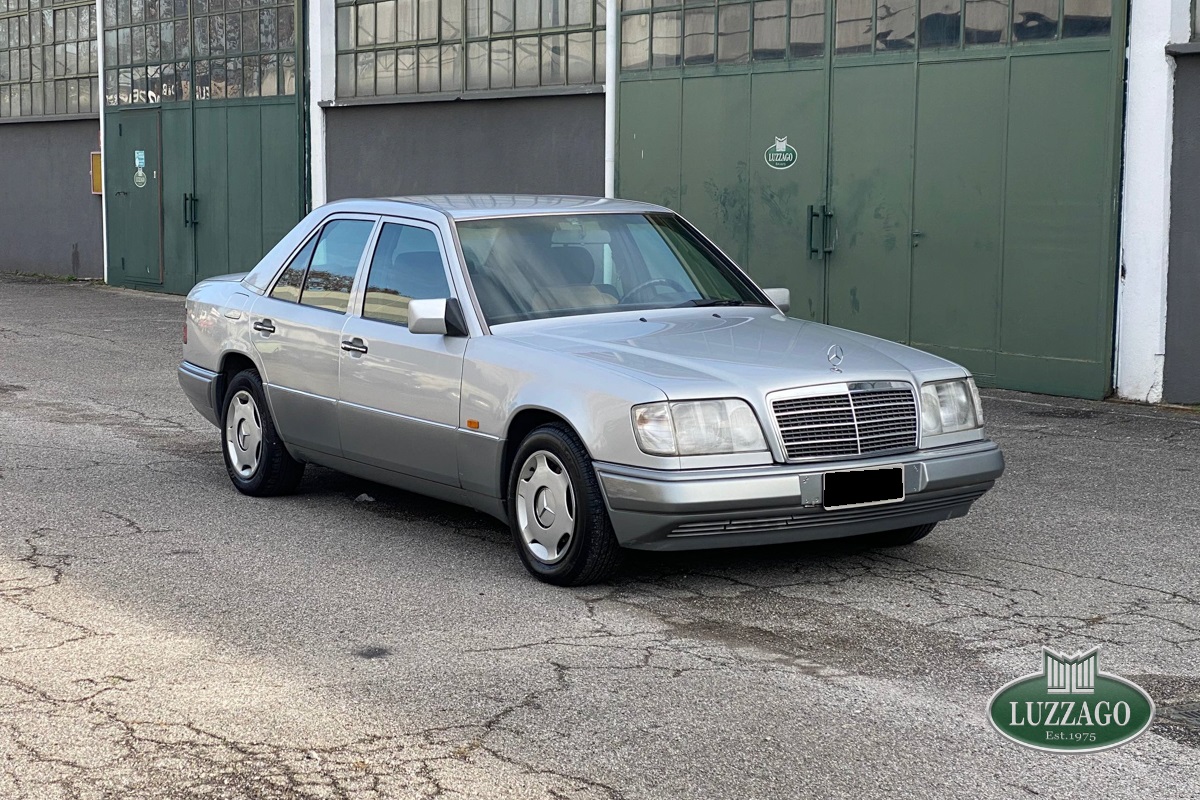
€ 6.500
Mercedes-Benz E200 Manual S3 (W124) - 1994
C000 - One owner

€ 9.500
Fiat Punto S Cabriolet - 1994
INT16
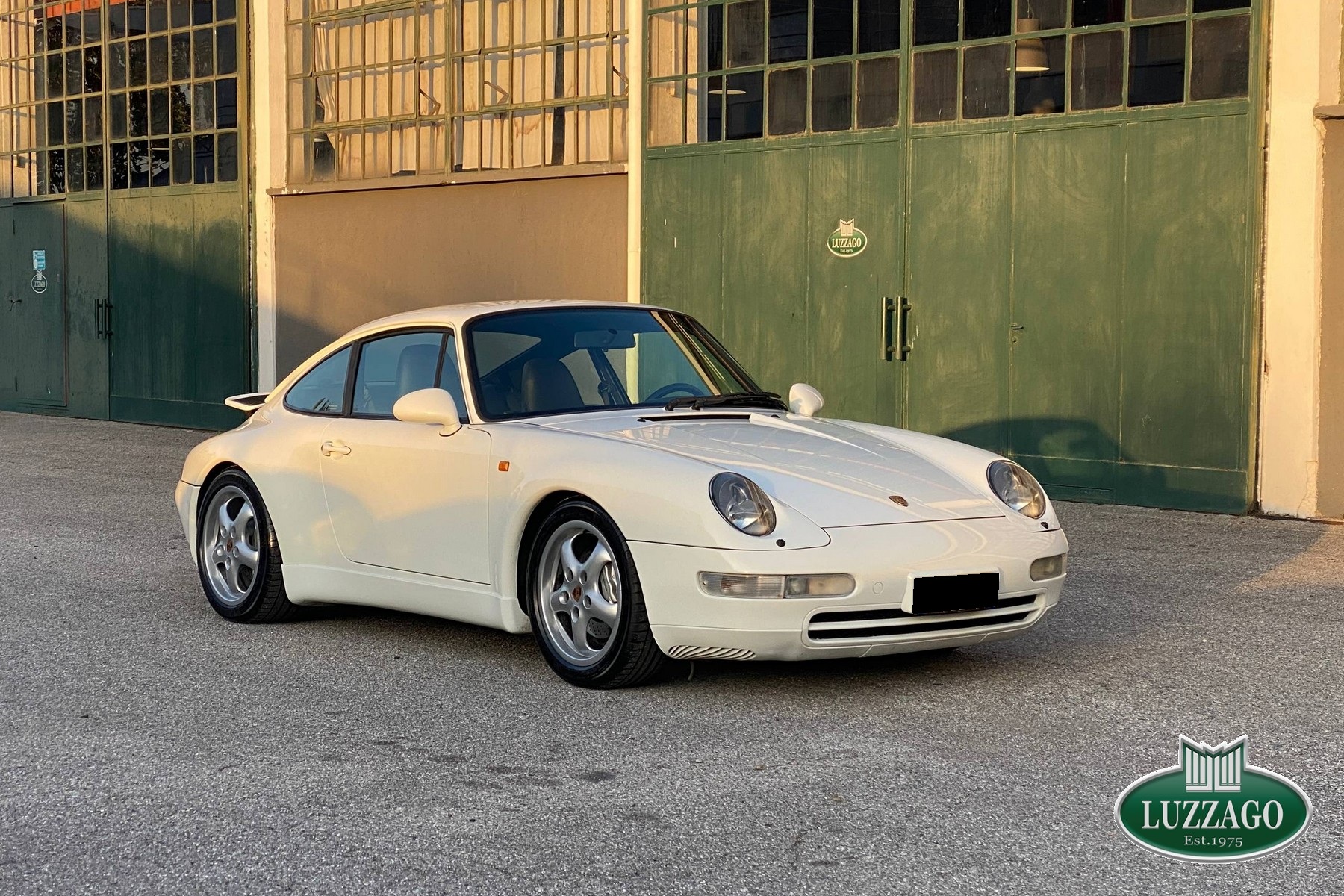
€ 95.000
Porsche 911 993 Carrera 4 Coupè Manual - 1995
C1145 - Complete service history
€ 4.800
Fiat Punto S Cabriolet - 1996
C1123
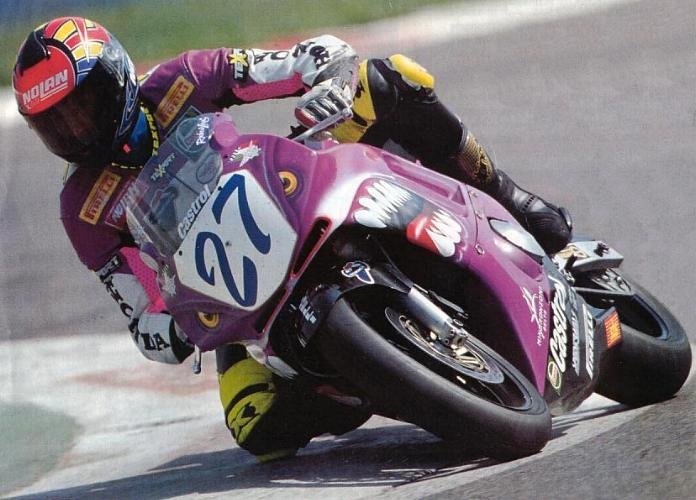
€ 16.500
Honda CBR 600 F Team Rumi (Ex Rubèn Xaus) - 1997
C1040 - Official Certifications,1997 Supersport World Championship


 CA Auto Bank offer subject to approval. Pre-contractual documentation at the Dealership and on the CA Auto Bank website (Transparency section). Advertising message for promotional purposes.