 Versione italiana
 Deutsche Fassung
 Albar
 Alfa Romeo
 Amilcar
 Aston Martin
 Audi
 Austin
 Austin-Healey
 Autobianchi
 Bentley
 BMW
 Brightweel
 Cadillac
 Chevrolet
 Citroën
 Daimler
 DKW
 Ferrari
 Fiat
 Ford
 Innocenti
 Iveco
 Jaguar
 Lamborghini
 Lancia
 Lotus
 Maserati
 Mercedes-Benz
 MG
 Mini
 Mitsubishi
 Morgan
 Morris
 Nash Healey
 NSU
 Opel
 Porsche
 Renault
 Rolls-Royce
 Siata
 Simca
 Studebaker
 Subaru
 Triumph
 Volkswagen
 Benelli
 BSA
 Ducati
 Honda
 Kawasaki
 Moto Guzzi
 NSU
 Ossa
 Piaggio
 Suzuki
 SWM
 Yamaha
Lotus Opel Omega 3.6 Turbo (1 of 70) - 1992
Prezzo su richiesta - P.O.R.
Financing options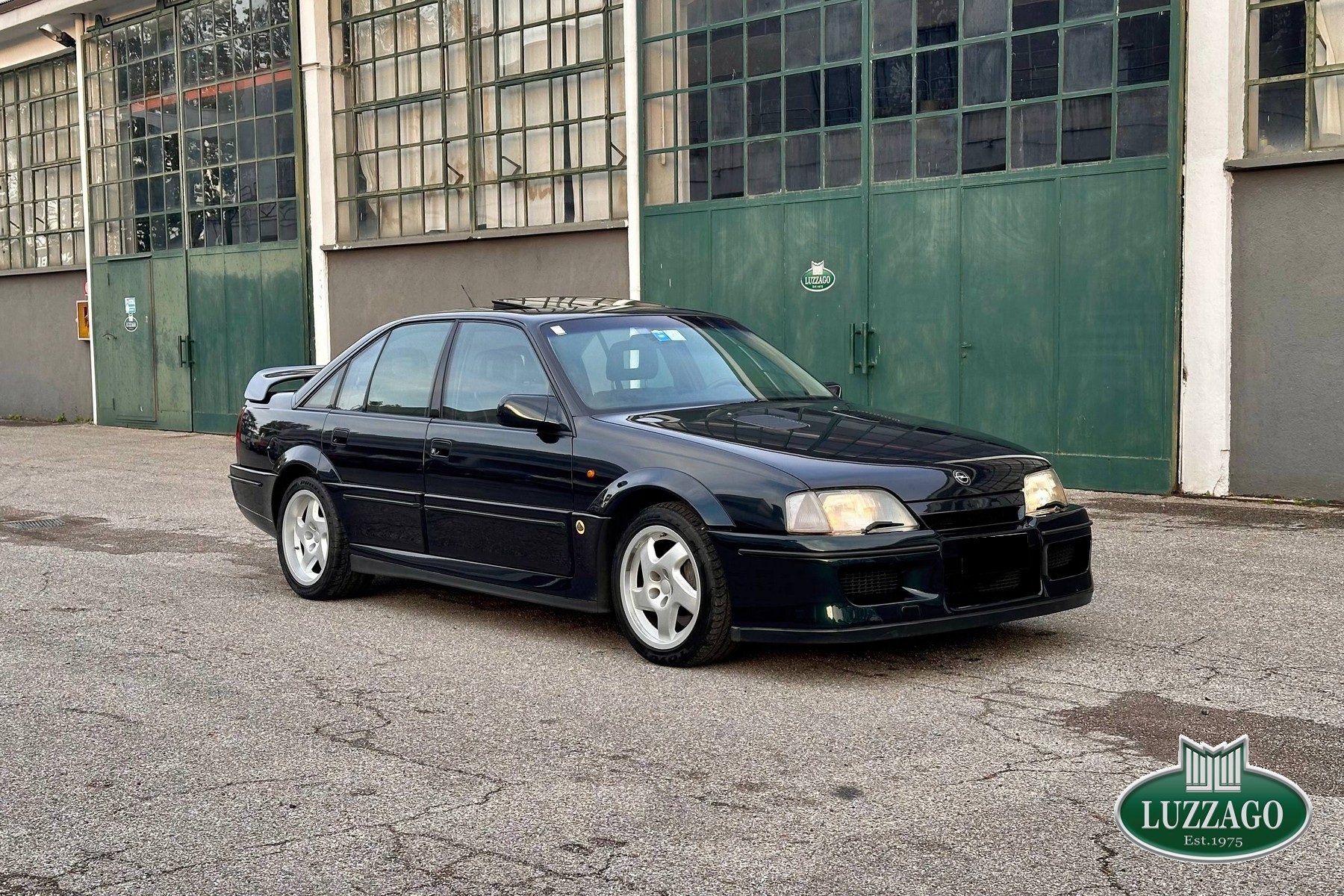
Description
Now available in our collection is one of the most iconic, extreme, and legendary sports sedans of the 1990s—the result of a collaboration between Rüsselsheim and Hethel: the 1992 Opel Lotus Omega 3.6 Bi-Turbo (unit no. 774).
At the time, the Lotus Omega represented the absolute pinnacle of high-performance sedans, capable of going toe-to-toe with the most prestigious supercars. It featured a 3.6-liter inline-six engine, boosted by twin Garrett turbochargers, paired with a 6-speed ZF manual transmission (derived from the Corvette ZR-1) and a chassis fine-tuned by Lotus engineers.
This specific example remains in its original, complete configuration—a rarity in today’s market.
On the outside, it sports the unmistakable Imperial Green metallic paint—the only color offered for this model, which shifts in the light from a deep, near-black green to vibrant emerald highlights. It is complemented by a dedicated aerodynamic kit, an integrated rear spoiler, and 17-inch multi-piece Ronal alloy wheels.
Inside, the car features supportive bucket seats upholstered in black Connolly leather, accented by burr wood trim. Amenities include air conditioning, an electric sunroof, and a numbered identification plaque—this is unit no. 774 of the 950 total examples produced.
This is an Italian-market car, purchased new in Rome (one of only 70 units officially allocated to Italy). It has remained in Italy its entire life, covering 128,000 km within the same family—it has had only one owner, passed directly from father to son. Used as an executive vehicle for its first five years and subsequently reserved exclusively for weekend leisure, the car has been maintained with the utmost care to this day. The vehicle is in excellent mechanical condition and requires no further work; it comes with a documented maintenance history, original owner’s manuals, and a complete, original emergency tool kit. The engine underwent a full overhaul at 96,000 km at an official Opel dealership (invoices for the work performed are available), and the car has just received a fresh service.
Of particular interest to collectors, the car still retains its original license plates from the province of its initial registration (Rome) and its original documentation. It is also ASI-certified with a "Gold Plate" (Targa Oro, grade A2).
A vehicle for the true connoisseur and collector—ready to be driven and available for viewing and testing at our premises.
Model history and curiosity
By the late 1980s, General Motors faced a clear image challenge in Europe. Its brands on the continent—Opel in mainland Europe and Vauxhall in the United Kingdom—produced solid, sensible, and highly successful cars, yet they lacked the thrill needed to capture the imagination of enthusiasts or steal the spotlight from the German heavyweights of the era, such as the BMW M5 (E34) and the Mercedes-Benz 500 E. Having acquired control of Lotus in 1986, executives in Detroit and Rüsselsheim hit upon an idea that was as audacious as it was brilliant: take the most understated, conventional sedan in their lineup—the Opel Omega 3000—and send it to Hethel, England, tasking the wizards at Lotus with transforming it into the fastest sedan in the world.
The project, internally designated "Type 104," began around 1988 under the leadership of chief engineer Mike Kimberley and technical director John Miles. The goal was not merely to create a sporty variant with a few aerodynamic add-ons and a lowered suspension; rather, it involved an almost complete mechanical overhaul, starting with a bare chassis shipped directly from the German factory in Rüsselsheim. Upon arrival in Hethel, the cars were stripped down and subjected to a radical metamorphosis. The bodywork was modified with widened wheel arches to accommodate a significantly broader track, deep bumpers, hood vents—essential for dissipating the intense heat generated within the engine bay—and a prominent rear spoiler, which served a purely functional purpose: keeping the rear end planted firmly on the road at extremely high speeds. They all came in a single color: the iconic Imperial Green—a shade so dark it appeared black in the shadows, yet revealed emerald highlights under direct sunlight.
The true heart of the revolution, however, lay beneath the hood. The British engineers began with the 3.0-liter, 24-valve, dual-overhead-cam inline-six engine from the Omega 3000, but deemed it insufficient for their ambitious goals. They increased the displacement to 3,615 cubic centimeters by lengthening the stroke, extensively reinforced the cast-iron engine block, and incorporated forged Mahle pistons, bespoke connecting rods, and an entirely new crankshaft. This already formidable powerplant was equipped with two Garrett T25 turbochargers—arranged in parallel, with each serving three cylinders—and cooled by a large Behr air-to-water intercooler. The result was staggering for an early-1990s sedan: 377 horsepower and a monstrous 568 Nm of torque, available from relatively low engine speeds.
Managing such immense power required a transmission capable of handling the strain; within the General Motors fold, there was nothing that could withstand that level of torque without falling apart. The solution was found by once again tapping into the American group’s resources: they sourced the robust six-speed manual gearbox used in the Chevrolet Corvette ZR-1, pairing it with a limited-slip differential derived from the Australian Holden Commodore V8. The chassis was also completely overhauled, featuring modified suspension geometry to eliminate squat under acceleration, bespoke shock absorbers, and an AP Racing braking system with large-diameter ventilated discs—essential for bringing a vehicle weighing nearly 1,700 kilograms to a halt from speeds exceeding 280 km/h, all while accelerating from zero to 100 km/h in just over five seconds.
When the car debuted between late 1990 and 1991—reaching full commercial maturity by 1992—it made an explosive impact, particularly in the United Kingdom, where it was sold as the Lotus Carlton. At a time when German manufacturers had just entered into a well-known "gentleman’s agreement" to electronically limit the top speed of their sedans to 250 km/h, the Lotus Omega disregarded such conventions, leaving its top speed unrestricted. A heated debate even erupted in the British Parliament regarding the dangers of a family car capable of outperforming the supercars of the era—and easily outrunning any police vehicle—to the point that some tabloids and advocacy groups called for it to be banned. Production, initially planned for 1,100 units, concluded in December 1992 with a total of just 950 examples (combining both the Omega and Carlton versions), hampered by the economic recession of the time and an astronomical price tag. It is precisely this limited production run, combined with its near-legendary reputation as a rebellious and brutal sedan, that has firmly cemented its status as one of the most iconic models of the 1990s.
Technical data
Optional
Terms of sale
Automotive practices
You may also be interested
Find your dream car
€ 8.900
Ducati 350 SL Pantah (1 of 211) - 1982
L000
€ 1.500
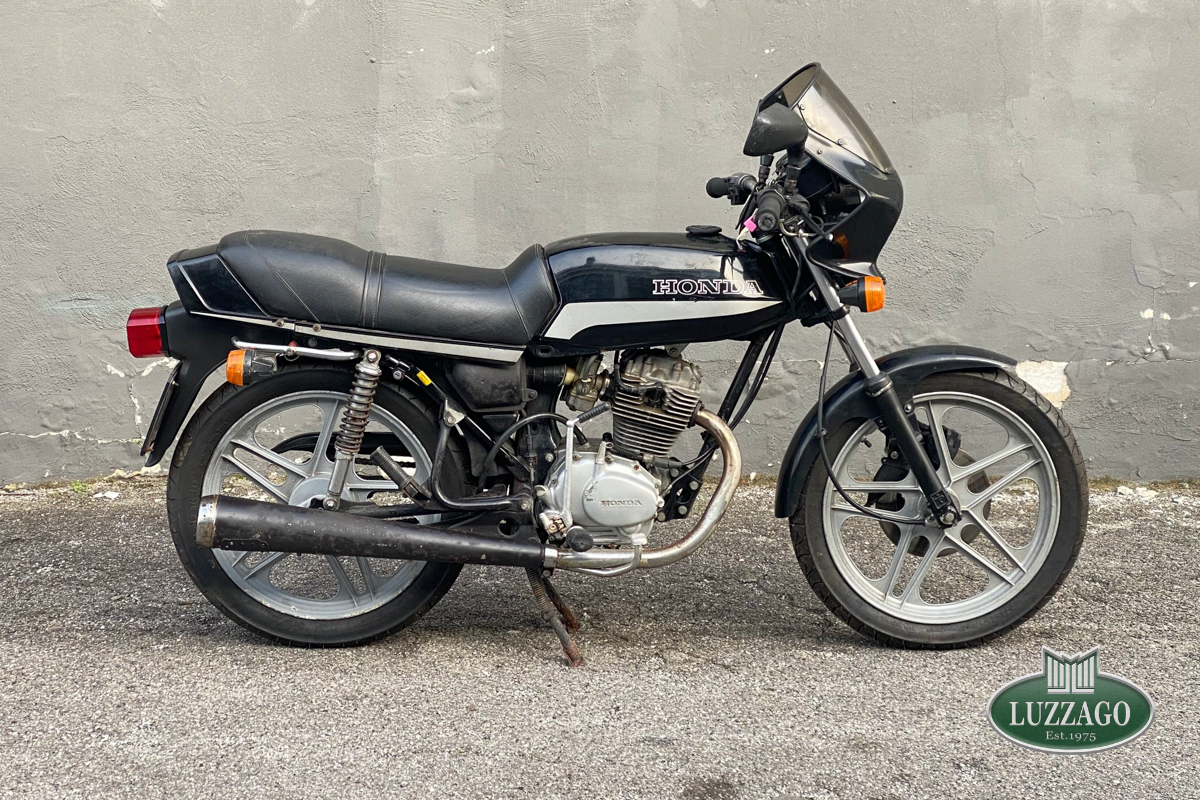
Honda CB 125 X - 1982
C1101
€ 59.000
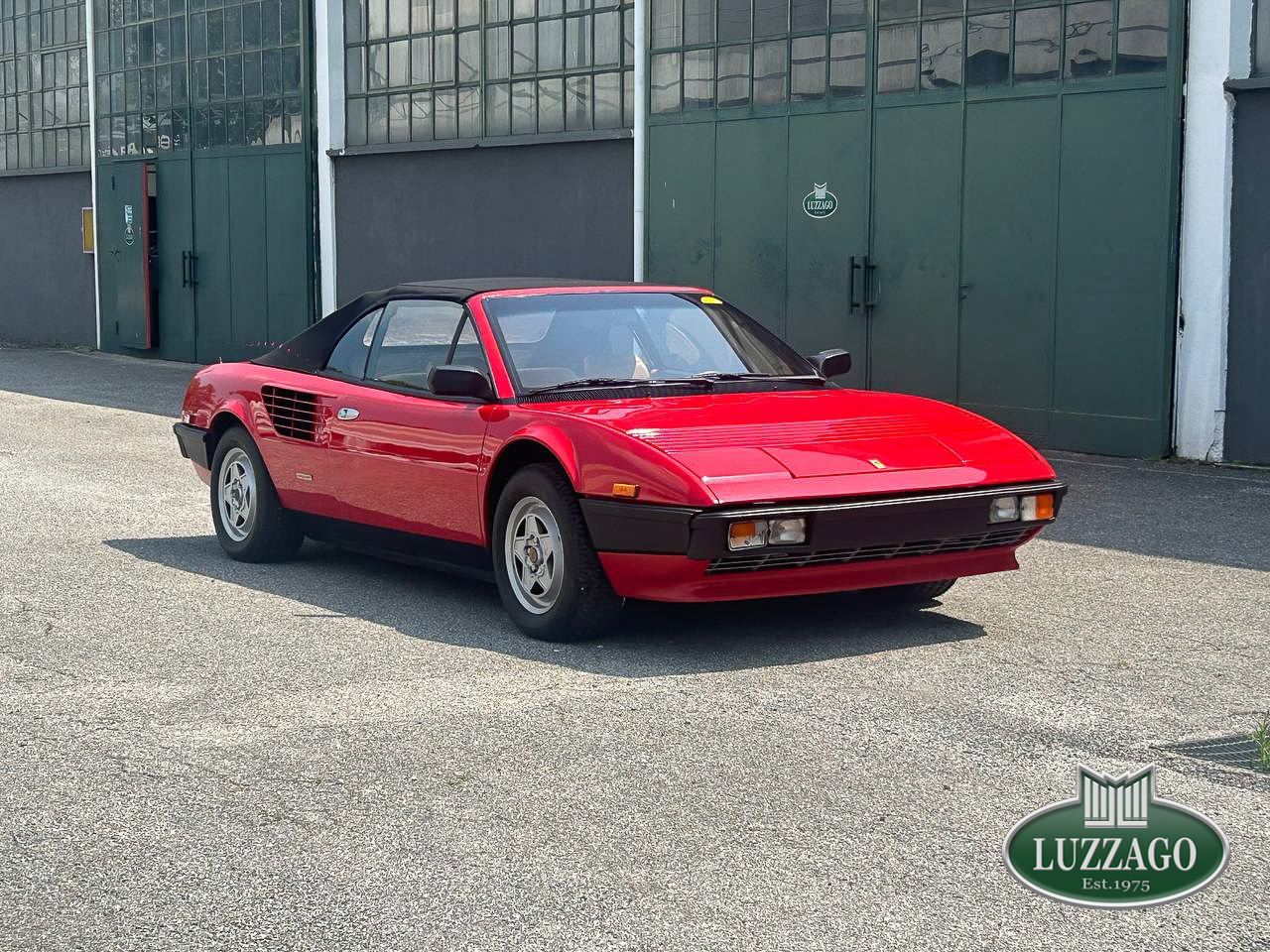
Ferrari Mondial Cabriolet 3.0 Quattrovalvole (F105A) - 1982
C000
€ 3.500
Ossa 350 - 1983
L000
Prezzo su richiesta - P.O.R.
Fiat MIG Formula Junior Panda - 1983
L000

€ 11.500
Daimler DS 420 RHD Automatic - 1984
L41
€ 75.000
Porsche 911 Carrera 3.2 Targa - 1986
C000
€ 12.000
Alfa Romeo 33 1.7 Quadrifoglio Verde S1 - 1987
C1135
limited time offer
30/11/2026

€ 19.000 15.000
Mercedes-Benz 560 SEL - 1987
C737
Prezzo su Richiesta - P.O.R
Alfa Romeo 75 Turbo Evoluzione (1 of 500) - 1987
C1132 - RIAR, Service book
€ 25.000
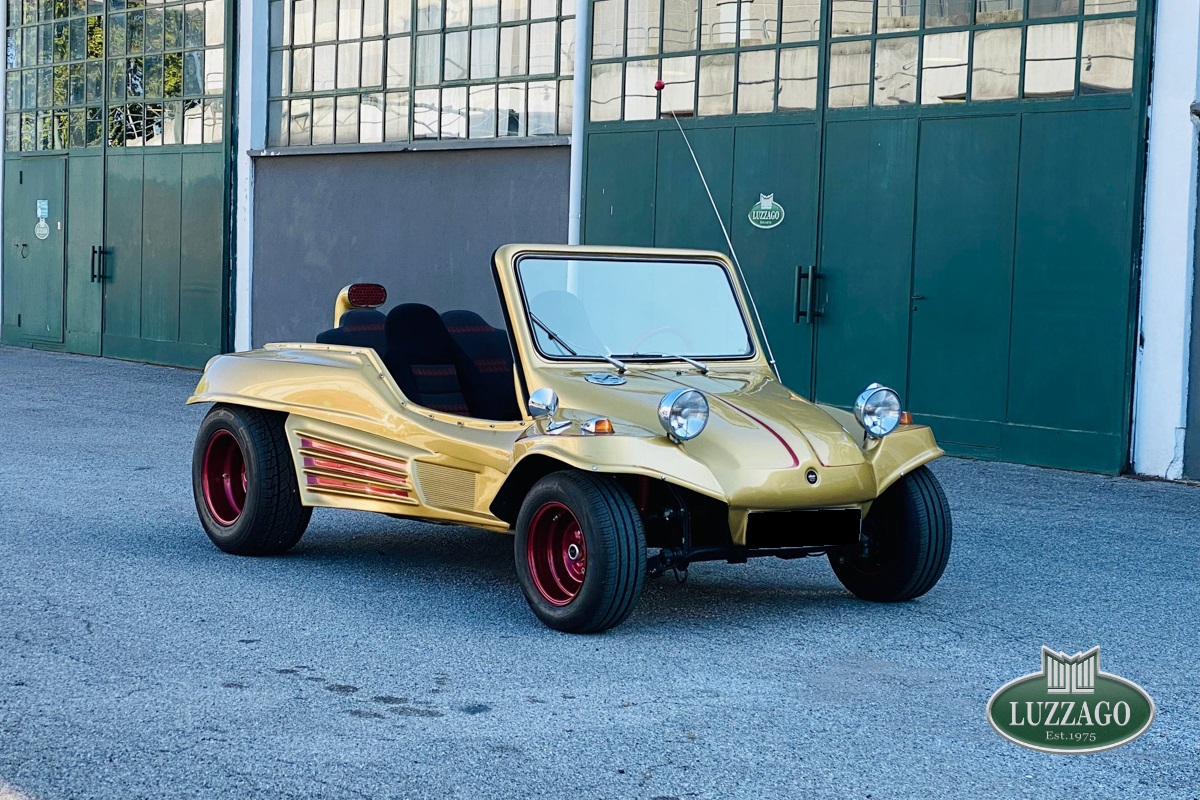
Volkswagen Albar Beach Buggy S 1600 - 1988
C147
€ 25.000
Albar Beach Buggy S 1600 - 1988
C1147

€ 4.900
Renault R4 TL - 1988
C553

€ 13.000
Rolls-Royce Silver Spur 1 RHD - 1988
C423 - ASI approval

€ 36.000
Mercedes-Benz 560 SEC - 1989
C1012

€ 14.000
Fiat Panda 4x4 Sisley - 1989
INT28 - Limited Edition
€ 33.000
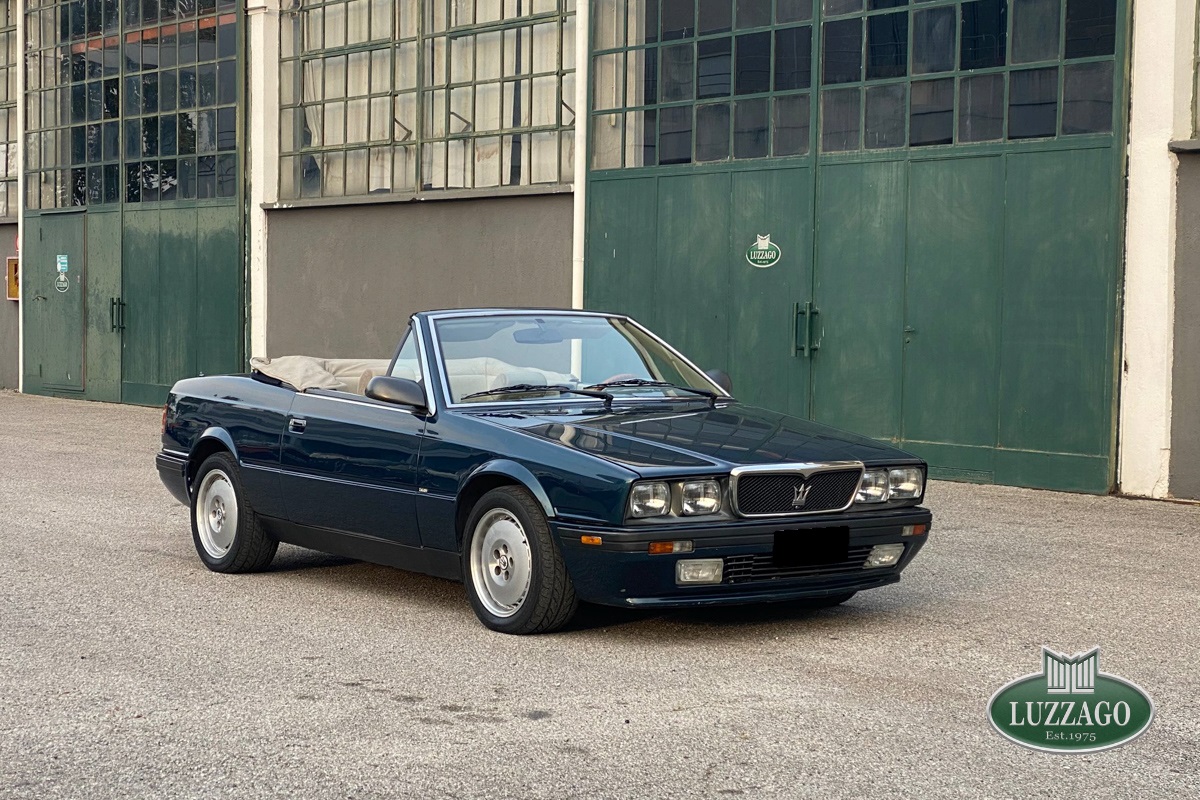
Maserati Spyder i.e. (Spyder '90) - 1990
C1141

€ 43.000
BMW Z1 (1 of 8000) - 1991
C974
€ 27.000
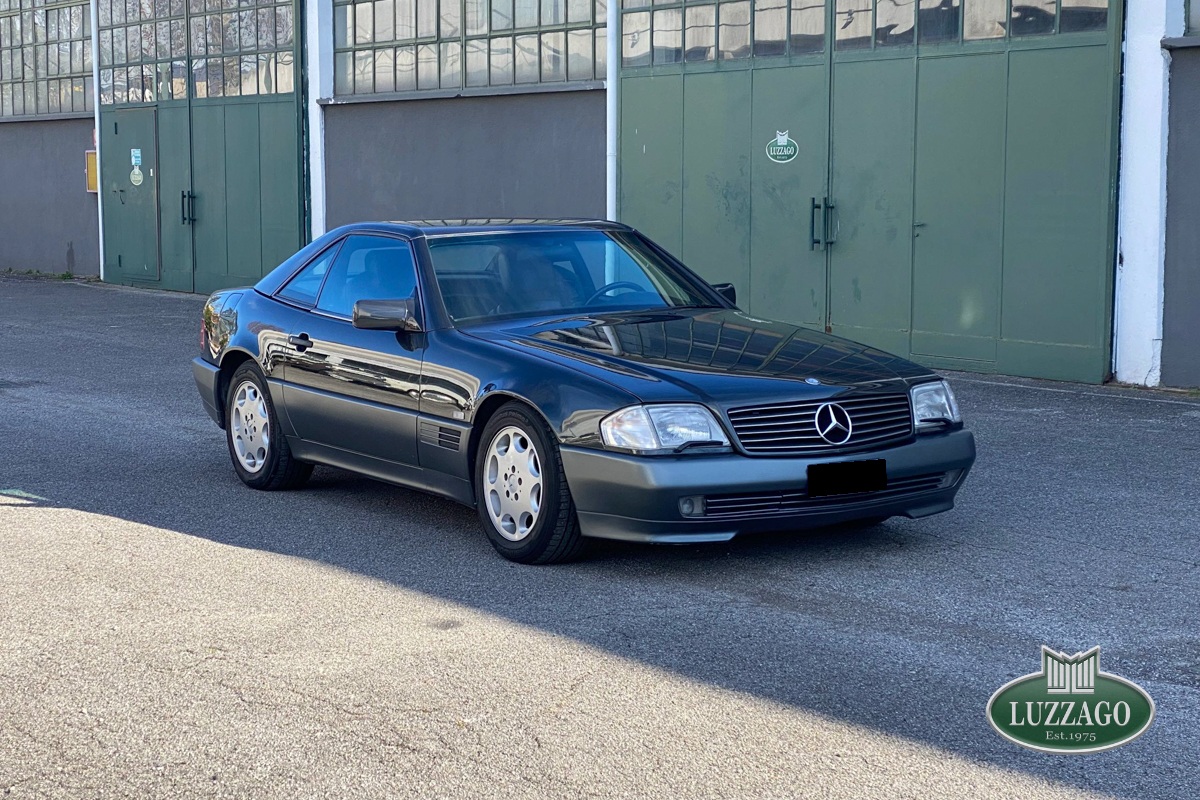
Mercedes-Benz 300 SL-24 (R129) - 1992
C1100


 CA Auto Bank offer subject to approval. Pre-contractual documentation at the Dealership and on the CA Auto Bank website (Transparency section). Advertising message for promotional purposes.