 Versione italiana
 Deutsche Fassung
 Albar
 Alfa Romeo
 Amilcar
 Aston Martin
 Audi
 Austin
 Austin-Healey
 Autobianchi
 Bentley
 BMW
 Brightweel
 Cadillac
 Chevrolet
 Citroën
 Daimler
 DKW
 Ferrari
 Fiat
 Ford
 Innocenti
 Iveco
 Jaguar
 Lamborghini
 Lancia
 Lotus
 Maserati
 Mercedes-Benz
 MG
 Mini
 Mitsubishi
 Morgan
 Morris
 Nash Healey
 NSU
 Opel
 Porsche
 Renault
 Rolls-Royce
 Siata
 Simca
 Studebaker
 Subaru
 Triumph
 Volkswagen
 Benelli
 BSA
 Ducati
 Honda
 Kawasaki
 Moto Guzzi
 NSU
 Ossa
 Piaggio
 Suzuki
 SWM
 Yamaha
Triumph Spitfire 1500 - 1977
Prezzo su Richiesta - P.O.R.
Financing options
Model history and curiosity
The 1977 Triumph Spitfire—officially known as the Spitfire 1500—represents the fifth and final evolution of a lineage that began nearly two decades earlier, driven by the ambition to capture the American market and offer an accessible roadster with authentic British charm. To fully grasp its origins, one must look back to the late 1950s, when Standard-Triumph sought an agile, affordable answer to the dominance of the Austin-Healey Sprite. The winning stroke was to enlist the Italian genius of Giovanni Michelotti; in 1957, he designed a sleek, seductive body built around a central-spine chassis derived from the Herald saloon, naming the car after the legendary World War II fighter plane.
When the first Spitfire 4 debuted at the 1962 London Motor Show, its success was immediate. However, as the years passed, shifting market demands—and, crucially, increasingly stringent U.S. emissions and safety regulations—necessitated a profound transformation. Through the Mk II and Mk III series, and the radical Mk IV of 1970—for which Michelotti himself redesigned the rear with a "Kamm tail" and introduced a revised transverse-leaf-spring rear suspension to tame the notorious oversteer of earlier models—the car matured, eventually reaching its definitive incarnation. The Spitfire 1500 arrived on the North American market in 1973 and reached Europe by the end of 1974, featuring a four-cylinder, pushrod engine with its displacement increased to 1,493 cc by lengthening the stroke. This technical choice was not intended to turn the Spitfire into a high-performance "stoplight-to-stoplight" racer; rather, it was meant to compensate for the power loss caused by American emissions-control equipment and to provide more substantial torque at low engine speeds, making the car much more flexible and pleasant to drive, even in everyday traffic.
By 1977, the Spitfire 1500 had reached full production maturity at the British Leyland plant in Canley, Coventry. That same year, it received a series of significant aesthetic and functional refinements. The interior was updated to be more modern and comfortable, featuring new steering-column-mounted controls—with integrated levers for the turn signals and windshield wipers—replacing the older switches scattered across the dashboard. The seats were also redesigned, now including adjustable headrests and upholstery in either plaid fabric or vinyl. On the exterior, while retaining its unmistakable front-hinged clamshell hood—which lifted entirely to reveal the engine bay and front suspension—the car gained a front spoiler beneath the bumper and updated steel wheels. Versions destined for the U.S. market were distinguished by chunky black rubber bumper overriders, mandated by federal low-speed impact regulations, as well as a slightly raised ride height. Although competition from more modern front-wheel-drive or mid-engine vehicles was beginning to erode the market segment for traditional roadsters—typically featuring rigid rear axles or swing-axle suspension—the 1977 Spitfire held its own. It managed this through an almost inimitable balance of mechanical simplicity, a low-slung driving position, and the timeless design penned by Michelotti—a look that, even today, defines the archetype of the classic British roadster.
Technical data
Optional
Terms of sale
Automotive practices
You may also be interested
Find your dream car

€ 4.500
Fiat 500 L (110 F) - 1967
C683 - Black plates.
€ 75.000
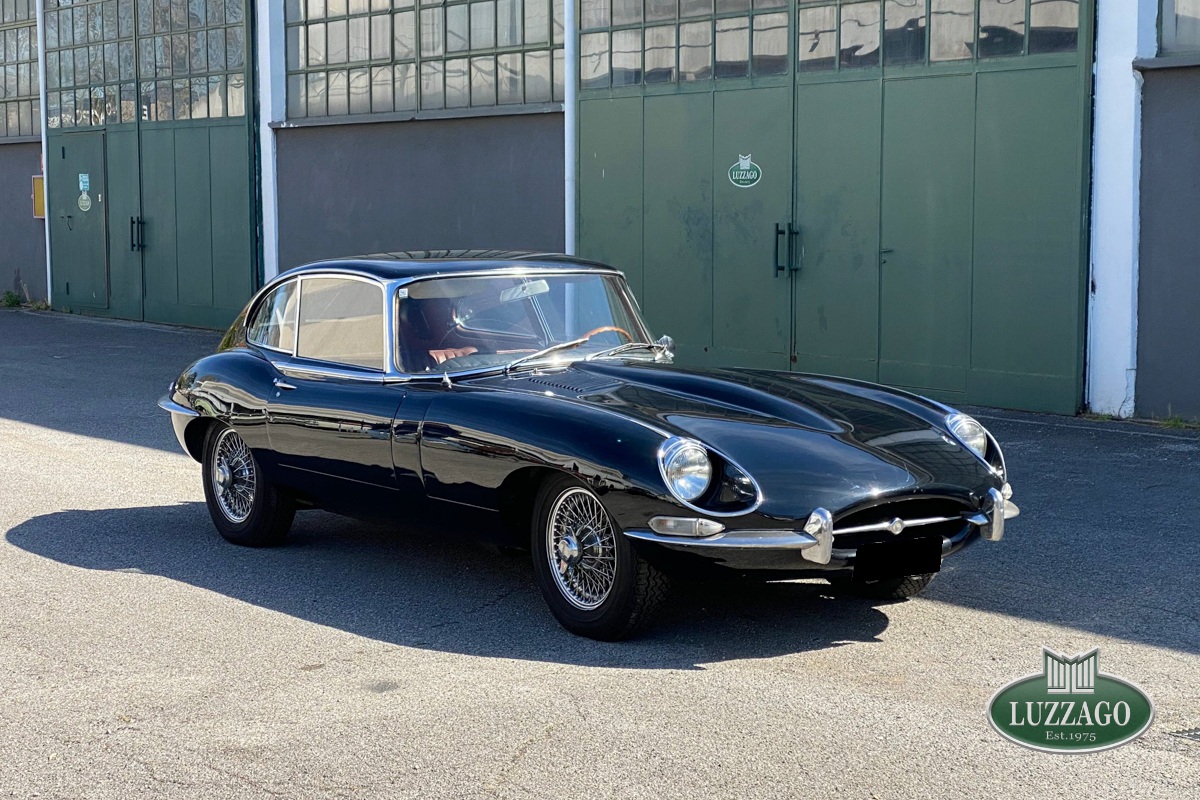
Jaguar EType 4.2 2+2 S1 - 1967
C1106
limited time offer
30/11/2026

€ 19.000 16.000
Lancia Fulvia Coupe' 1216 S1 - 1967
C1000

€ 95.000
Porsche 911 2.0 L - 1968
C541

€ 45.000
Alfa Romeo GTV 1750 S1 (105.44) - 1968
C000
€ 49.000
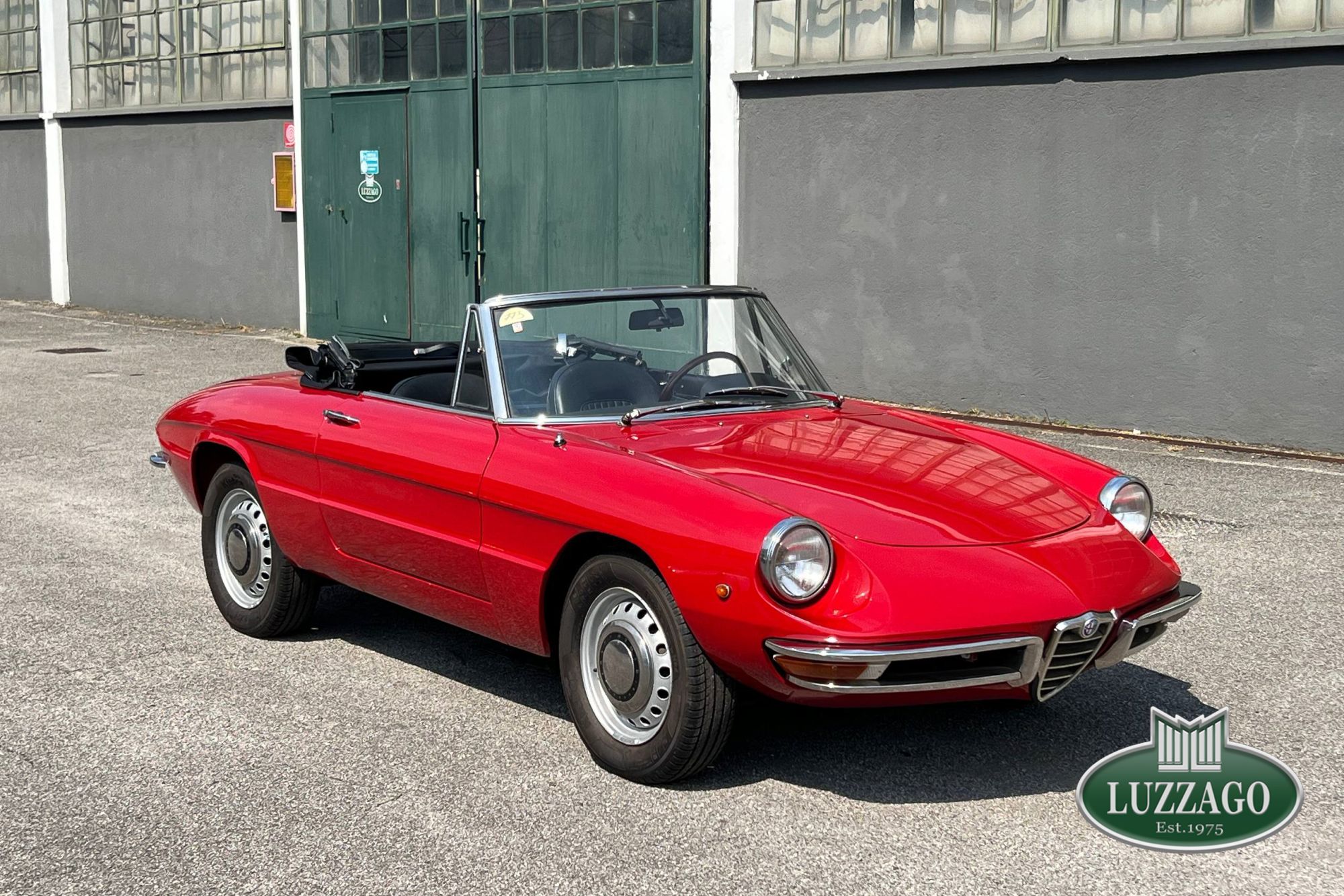
Alfa Romeo Junior Spider 1300 round tail - 1968
C775
€ 10.000
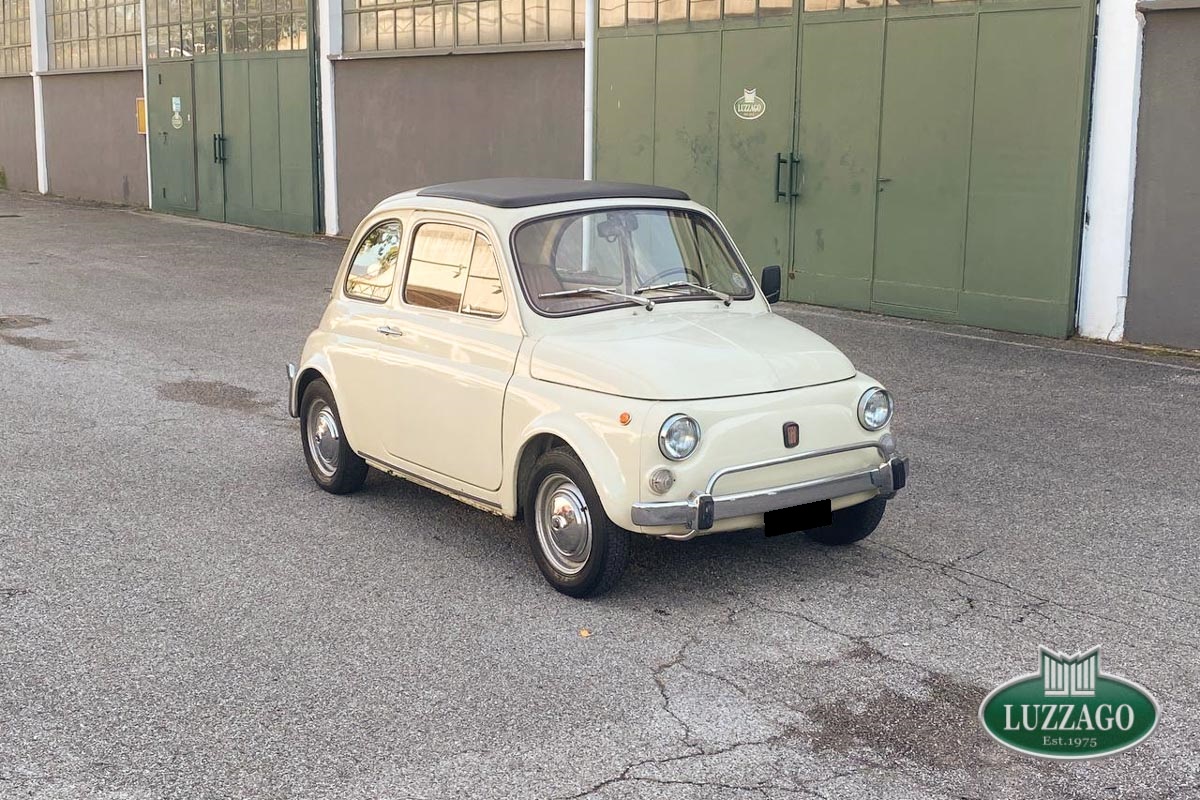
Fiat 500 L (110 F) - 1969
C1087 - Black plates.
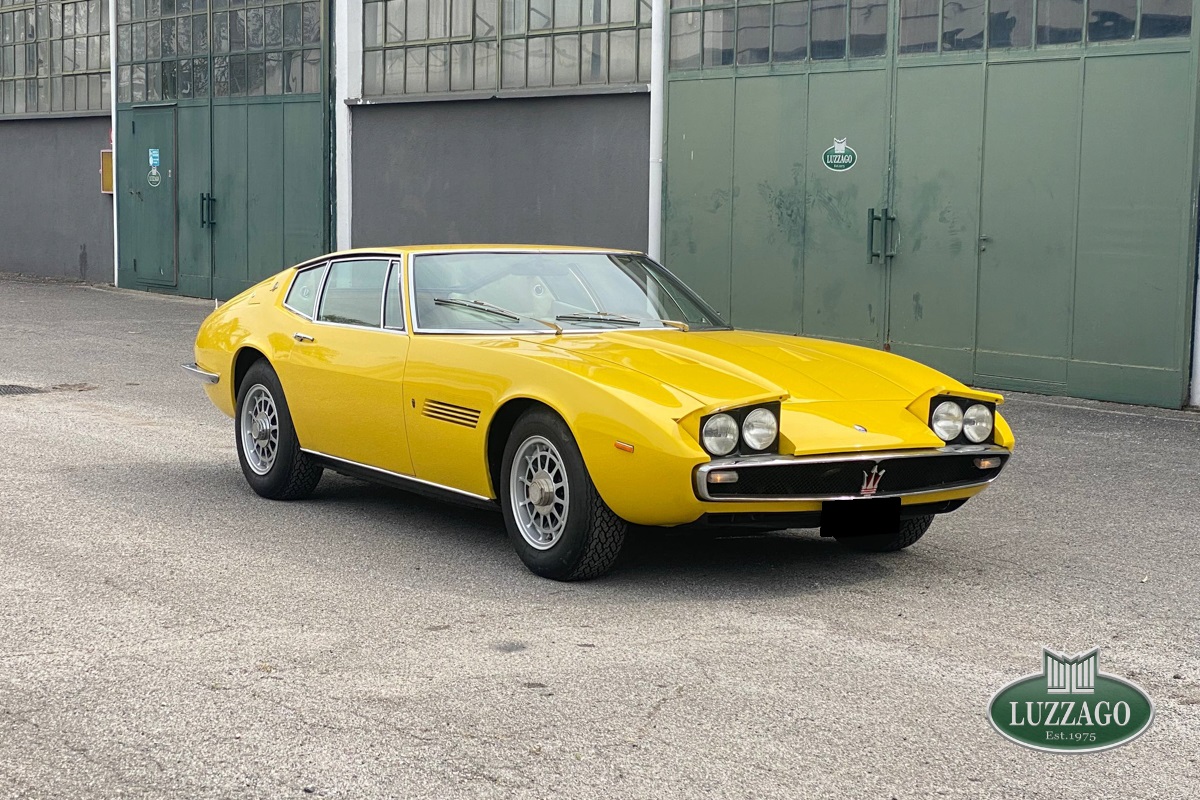
Prezzo su richiesta - P.O.R.
Maserati Ghibli (1 of 1149) - 1969
C000

€ 16.900
Innocenti Mini Cooper MKII - 1969
C539
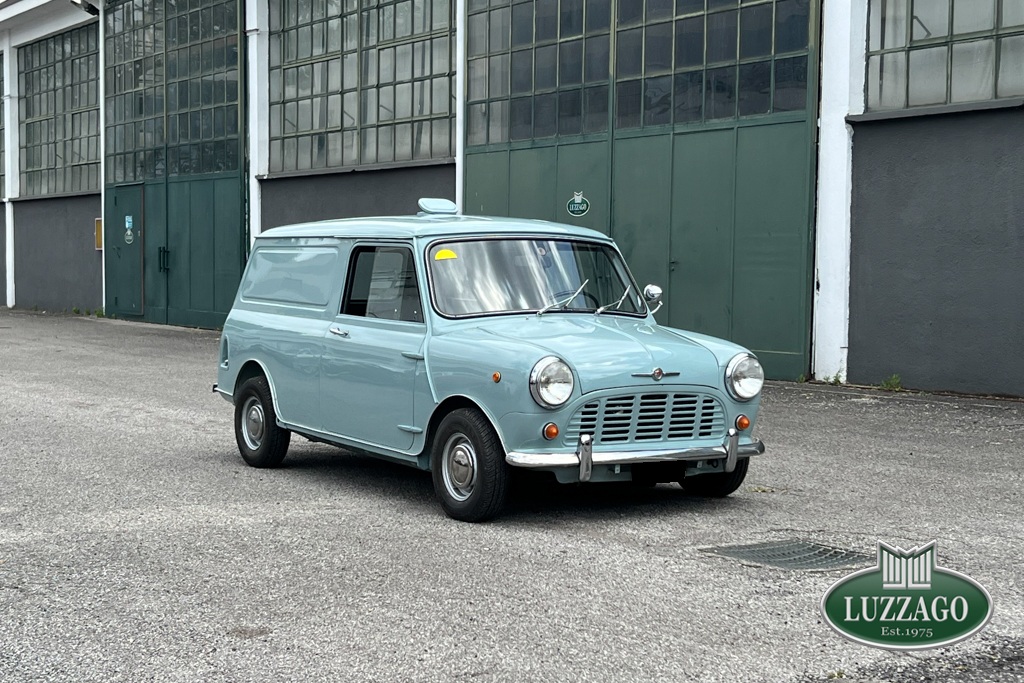
€ 22.500
Morris Mini Minor Clubvan 850 - 1969
C000
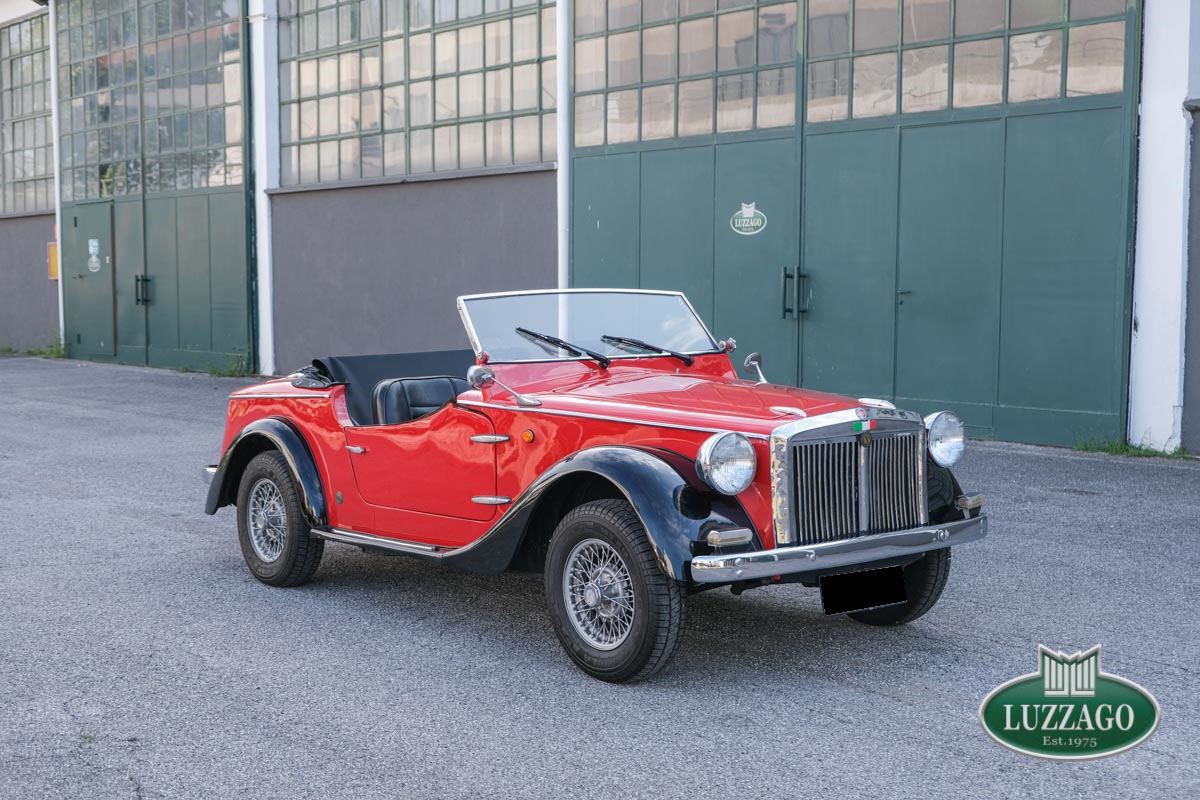
€ 15.000
Fiat 850 Spring (1 of 3500) - 1970
C900
€ 15.000
Siata 850 Spring Siata (1 of 3500) - 1970
C900
limited time offer
30/11/2026

€ 23.000 18.000
Porsche 914/4 1700 - 1970
INT15
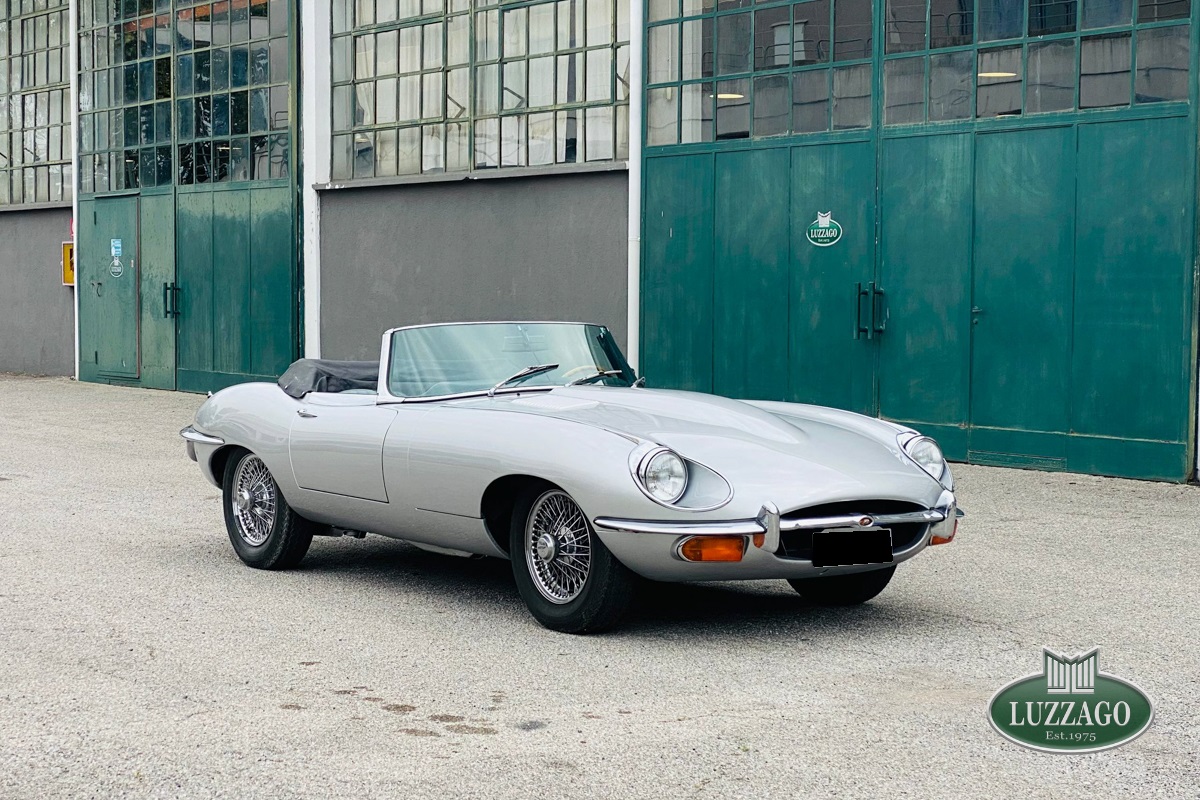
€ 120.000
Jaguar EType 4.2 OTS S2 - 1970
C000
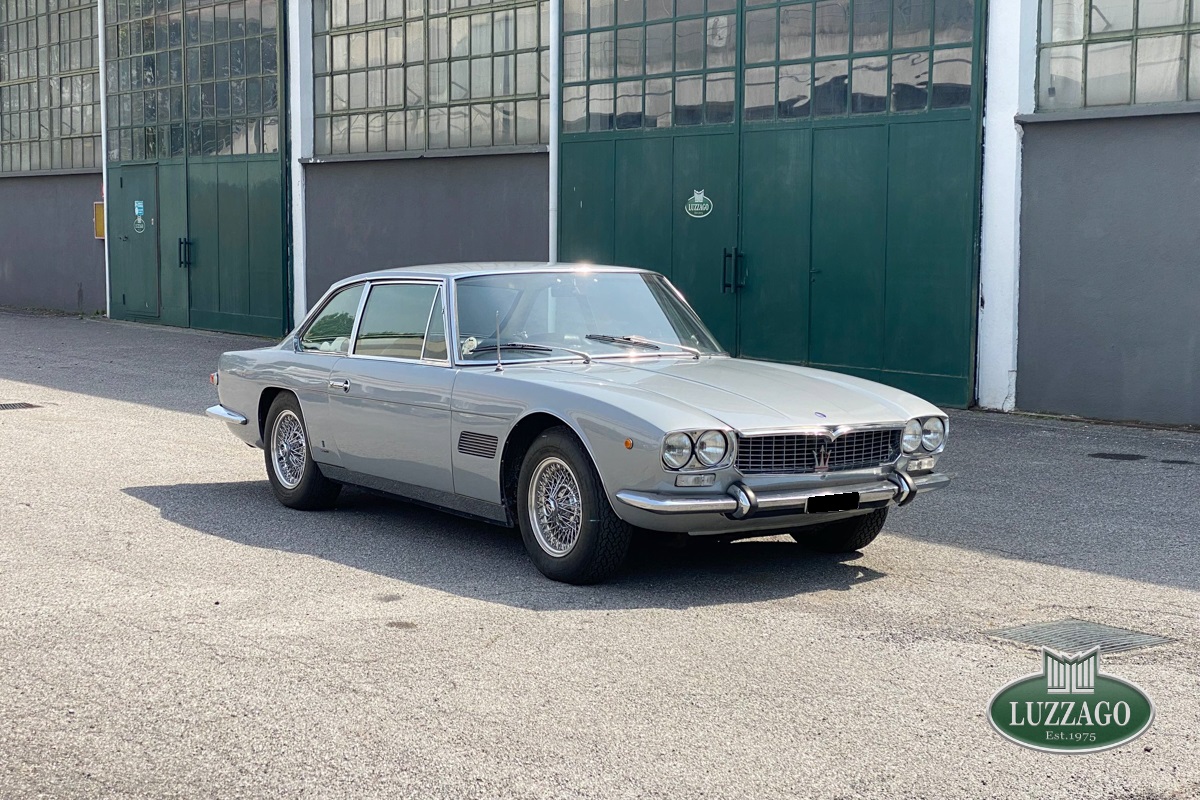
€ 115.000
Maserati Mexico 4200 (1 of 485) - 1970
C000
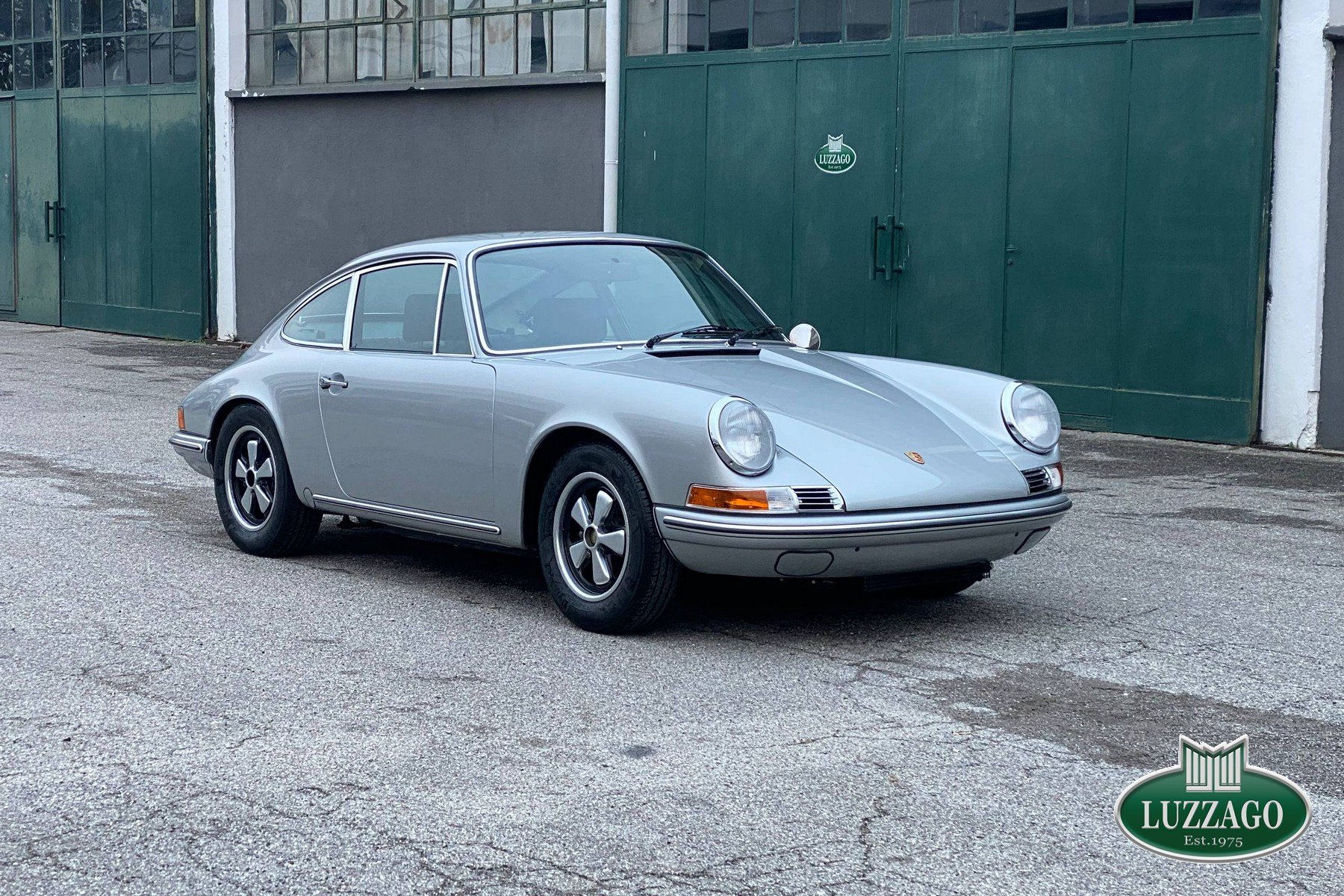
Prezzo su richiesta - P.O.R.
Porsche 911 2.2 T - 1971
C000 - Complete restoration

€ 95.000
Jaguar EType 4.2 FHC S2 - 1971
INT9
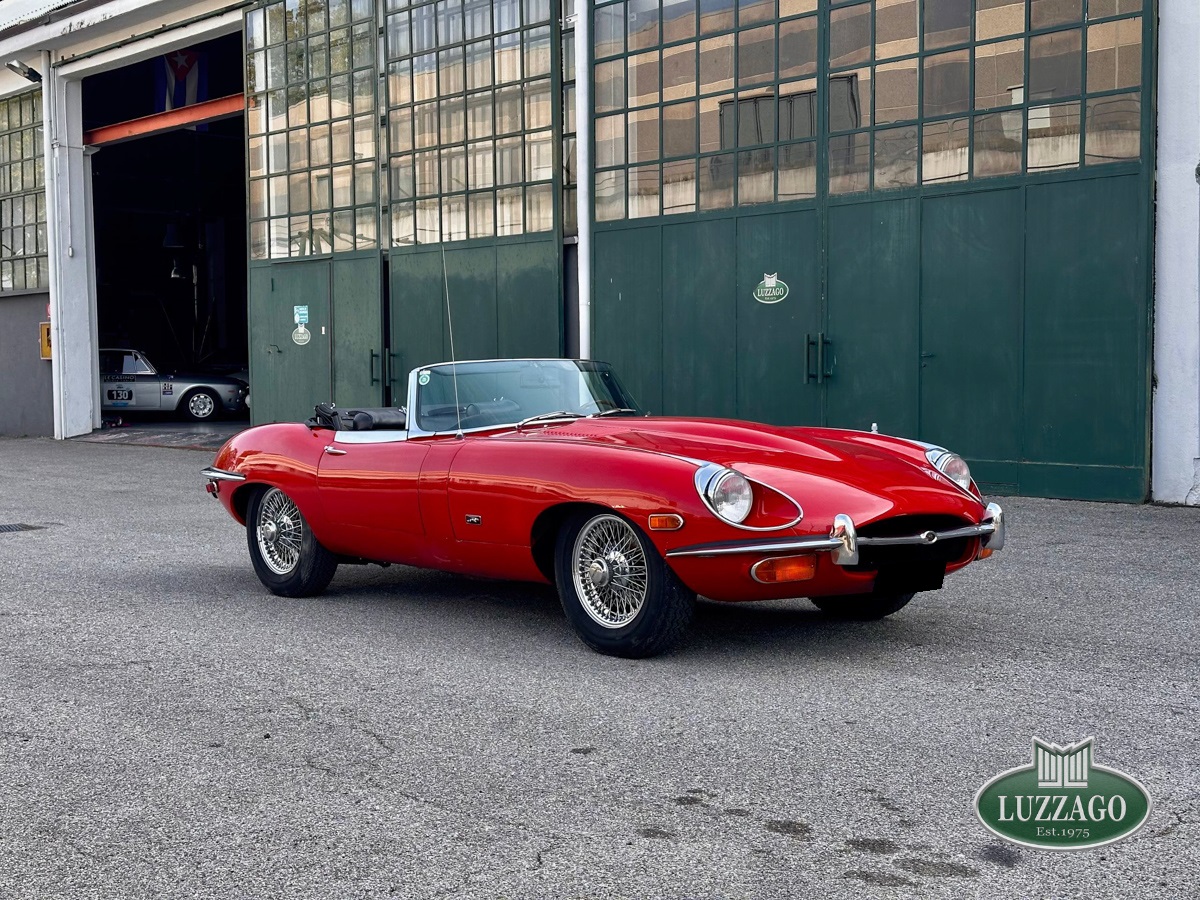
€ 110.000
Jaguar EType 4.2 OTS S2 - 1971
C1140
limited time offer
30/11/2026

€ 55.000 48.000
Lancia Fulvia Coupè HF 1600 S2 - 1971
L548 - Preparation for regularity races with FIA/CSAI passport.



 CA Auto Bank offer subject to approval. Pre-contractual documentation at the Dealership and on the CA Auto Bank website (Transparency section). Advertising message for promotional purposes.