 Versione italiana
 Deutsche Fassung
 Alfa Romeo
  Amilcar
  Aston Martin
  Audi
Audi  Austin
  Austin-Healey
  Autobianchi
 .png) Bentley
Bentley  BMW
BMW  Cadillac
  Chevrolet
  Citroën
  Daimler
  DKW
DKW  Ferrari
  Fiat
Fiat  Ford
Ford  Geko
Geko .svg.png) Honda
Honda  Innocenti
 .png) Jaguar
Jaguar  Lamborghini
 .png) Lancia
Lancia  Land Rover
  Lotus
Lotus  Maserati
  Mercedes-Benz
  MG
MG .svg.png) Mini
Mini  Mitsubishi
 .png) Morgan
Morgan  Morris
  Nash Healey
 .png) Nissan
Nissan  NSU
NSU  Panther
  Porsche
  Renault
  Rolls-Royce
  Siata
Siata  Simca
Simca .png) Studebaker
Studebaker  Subaru
  Sunbeam
  Triumph
  Volkswagen
  Benelli
  Ducati
 .svg.png) Honda
Honda  Kawasaki
  Moto Guzzi
 .png) NSU
NSU  Ossa
Ossa  Polaris
  Royal Enfield
  Suzuki
  SWM
SWM  Yamaha
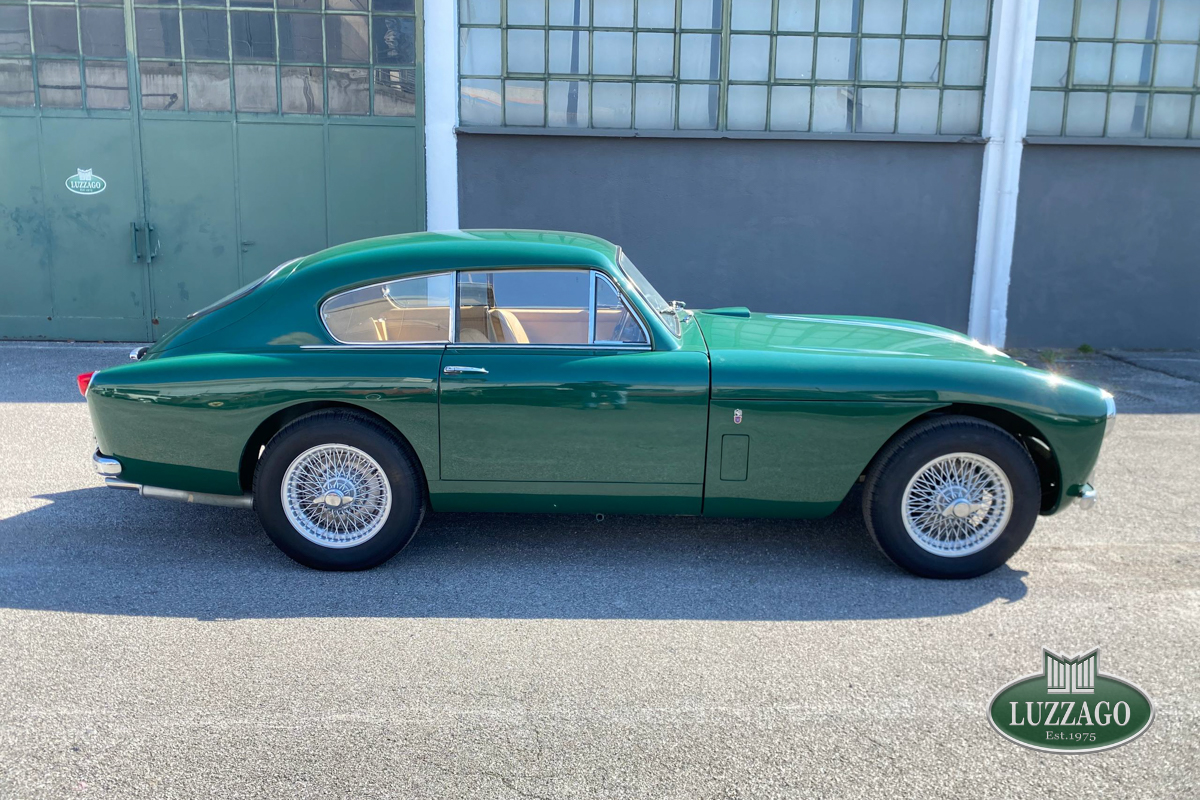
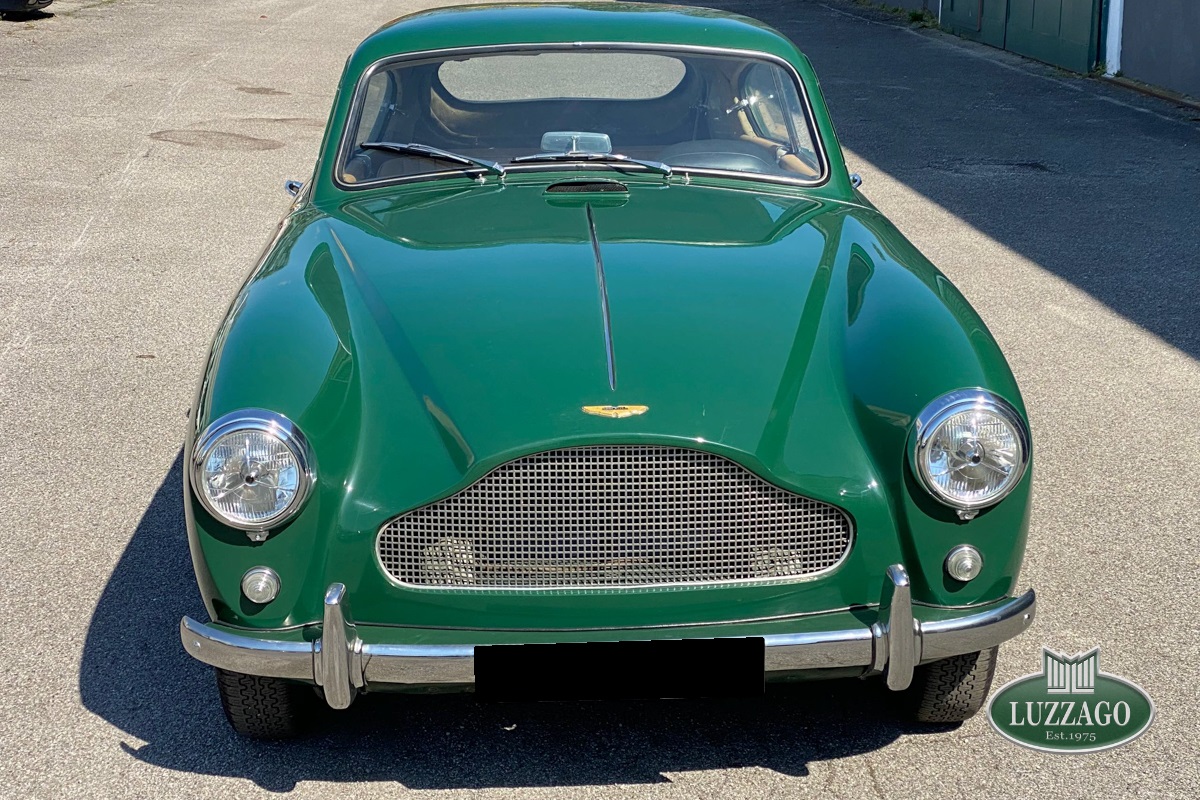
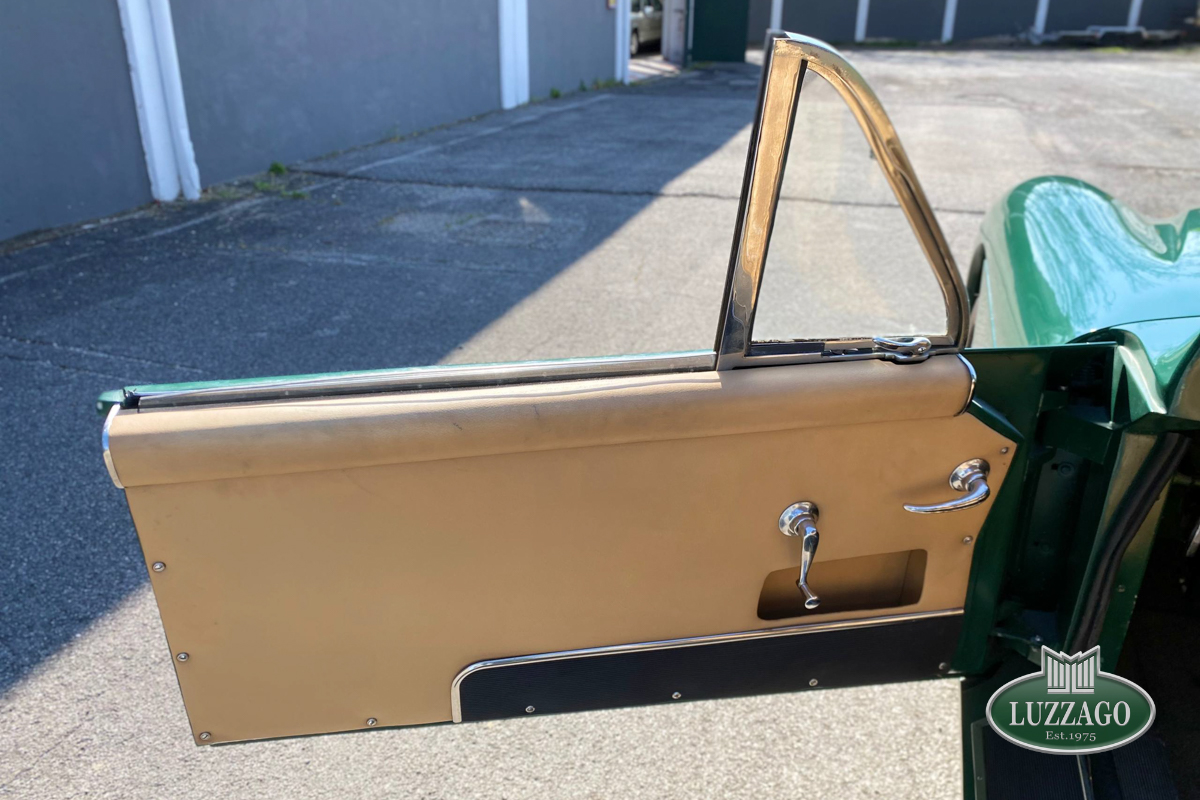
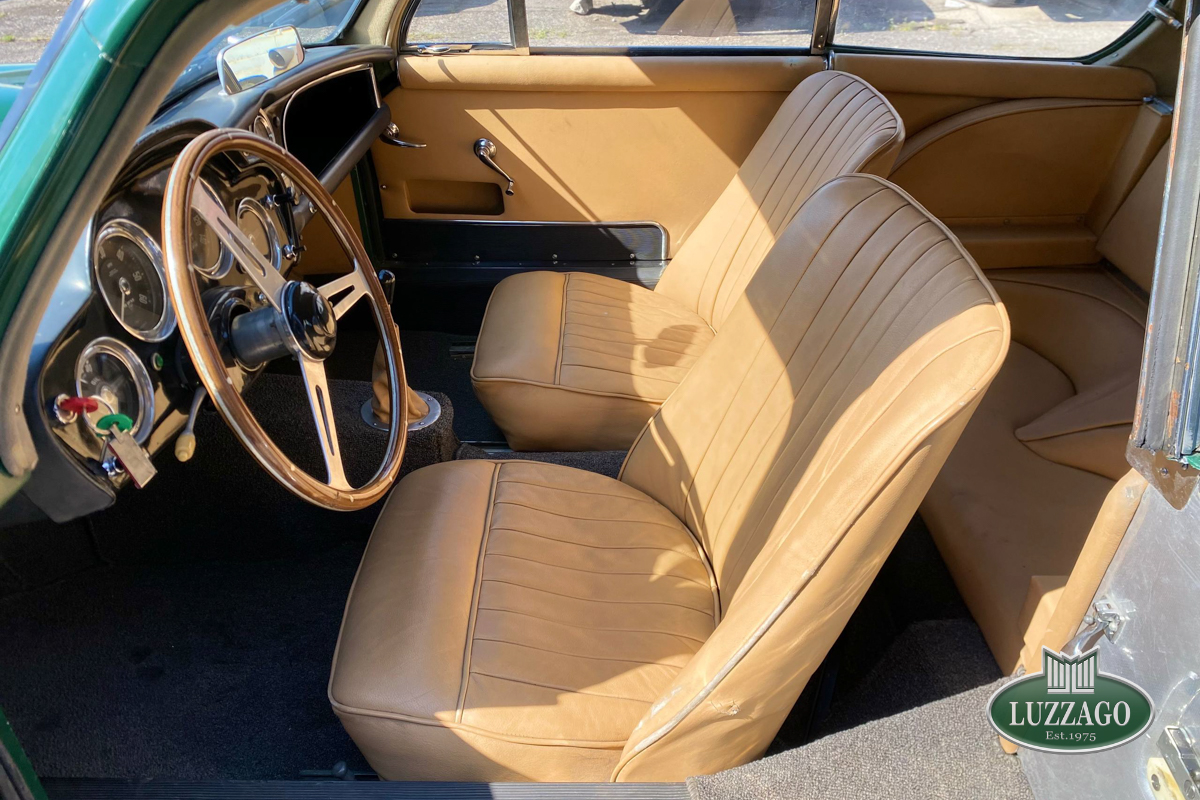
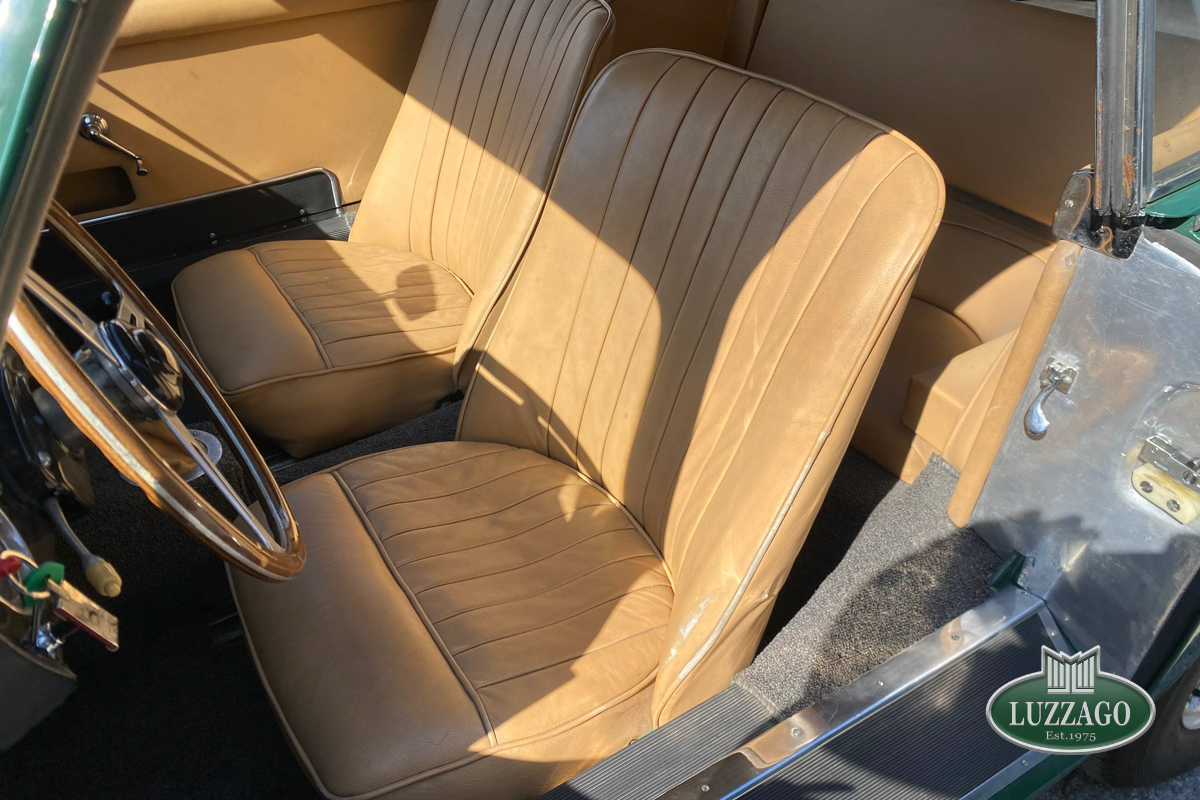
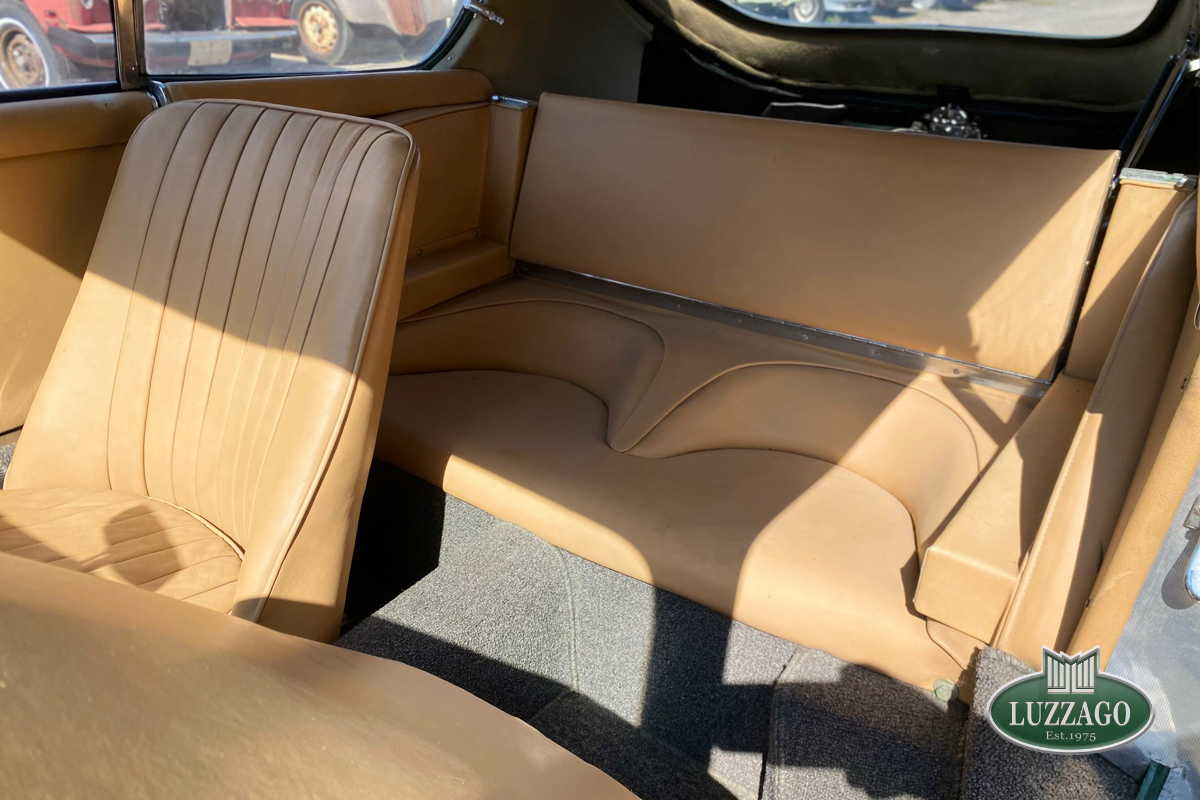
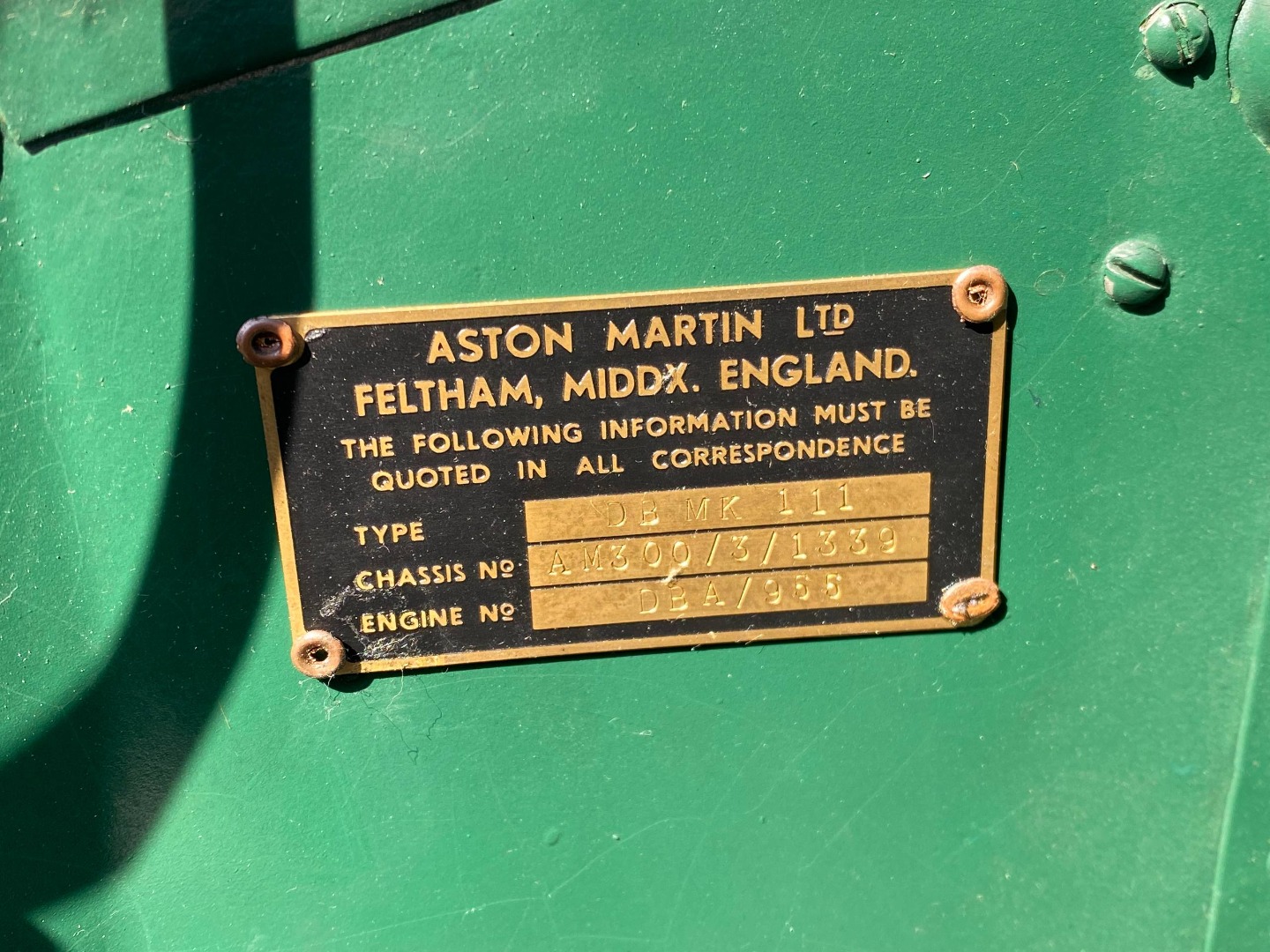
 Aston Martin DB 2/4 MKIII LHD - 1957
€ 235.000
Financing options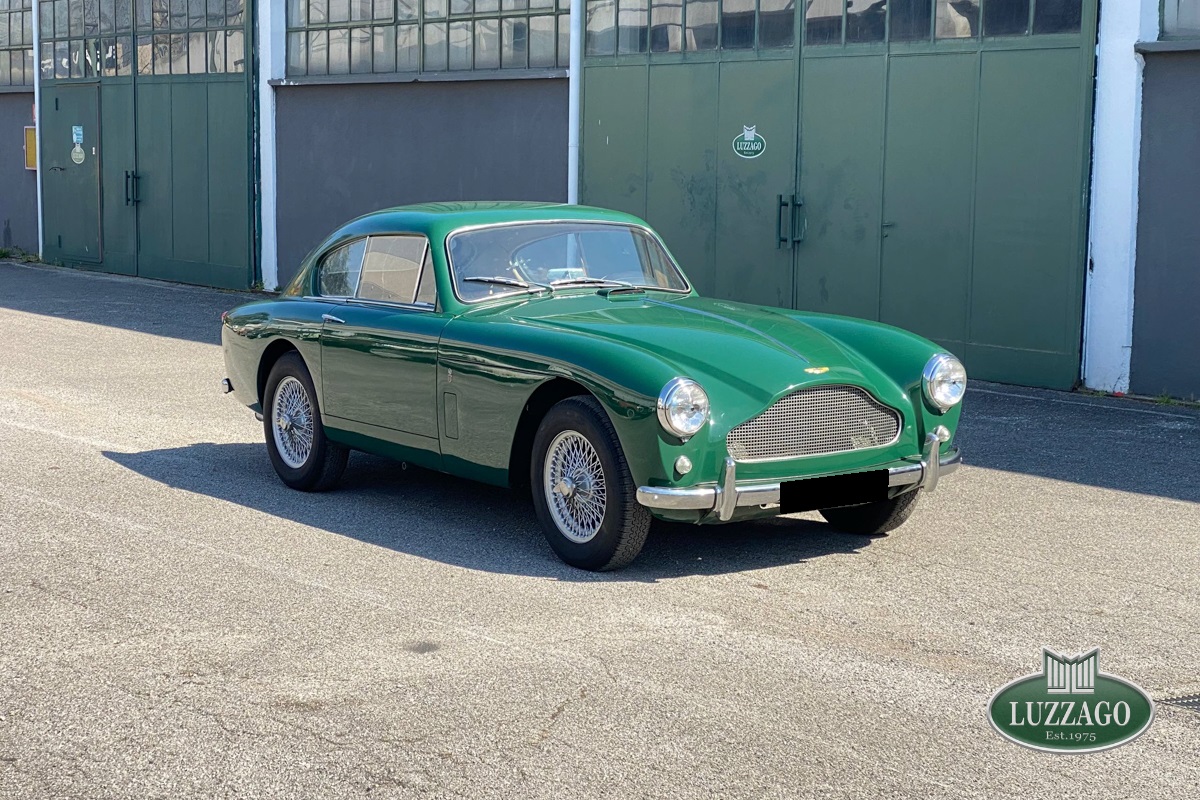
Description
"LUZZAGO PREMIUM QUALITY" vehicles are selected by us for their high quality. Each vehicle is awarded this distinction according to rigorous criteria.
Model history and curiosity
Origins in the Novels
In his books, Fleming initially had James Bond drive a 1930 Bentley 4.5 Litre. The turning point came in the novel Goldfinger (1959):
The choice: Bond is given the choice by the MI6 fleet between a Jaguar 3.4 and an Aston Martin DB Mark III (which Fleming simply calls "DB III").
The reasons: Fleming chose the Aston Martin because it reflected Bond's sophisticated taste and identity: a man who appreciates detail, good food, and fast yet elegant cars.
The first gadgets: Already in the book, the car was equipped with small special features, such as reinforced bumpers and a secret compartment for a Colt .45, laying the groundwork for future cinematic gadgets.
The Royal Inspiration
It is believed that Fleming was inspired by a 1954 Aston Martin DB 2/4 Mk I belonging to the son of Lord Swinton (then head of MI5), which Fleming frequently drove. This royal car featured modifications unusual for the time, such as a two-way radio system and hidden storage compartments, which Fleming incorporated into his stories.
From Book to Screen
By the time the filming of Goldfinger came around, the DB Mark III had already been discontinued. The producers therefore chose the British manufacturer's latest model: the Aston Martin DB5.
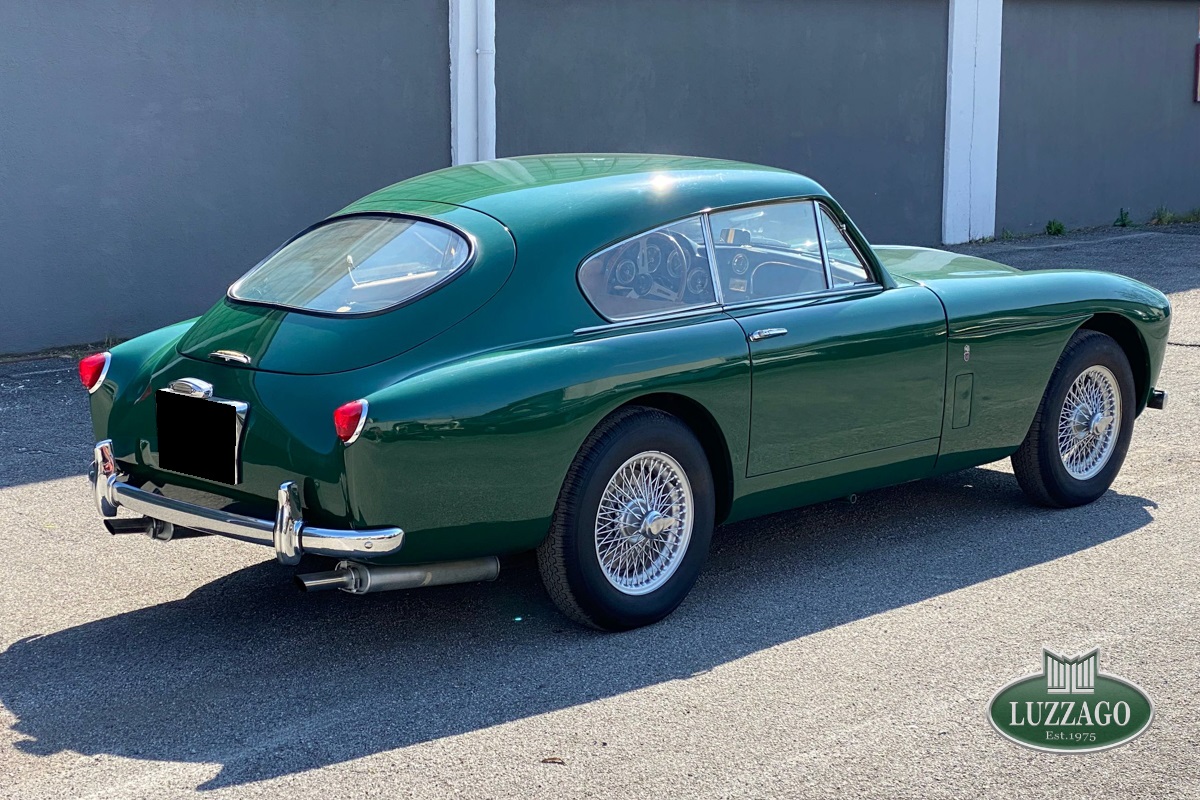
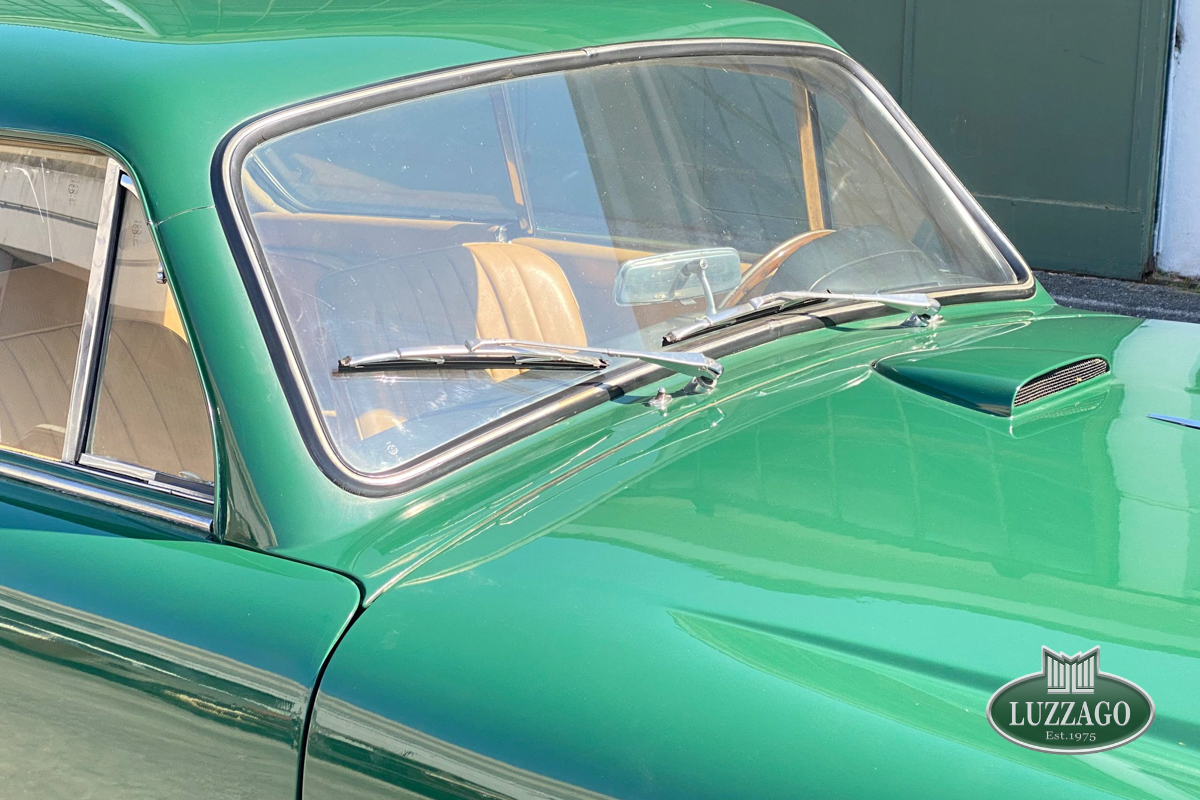
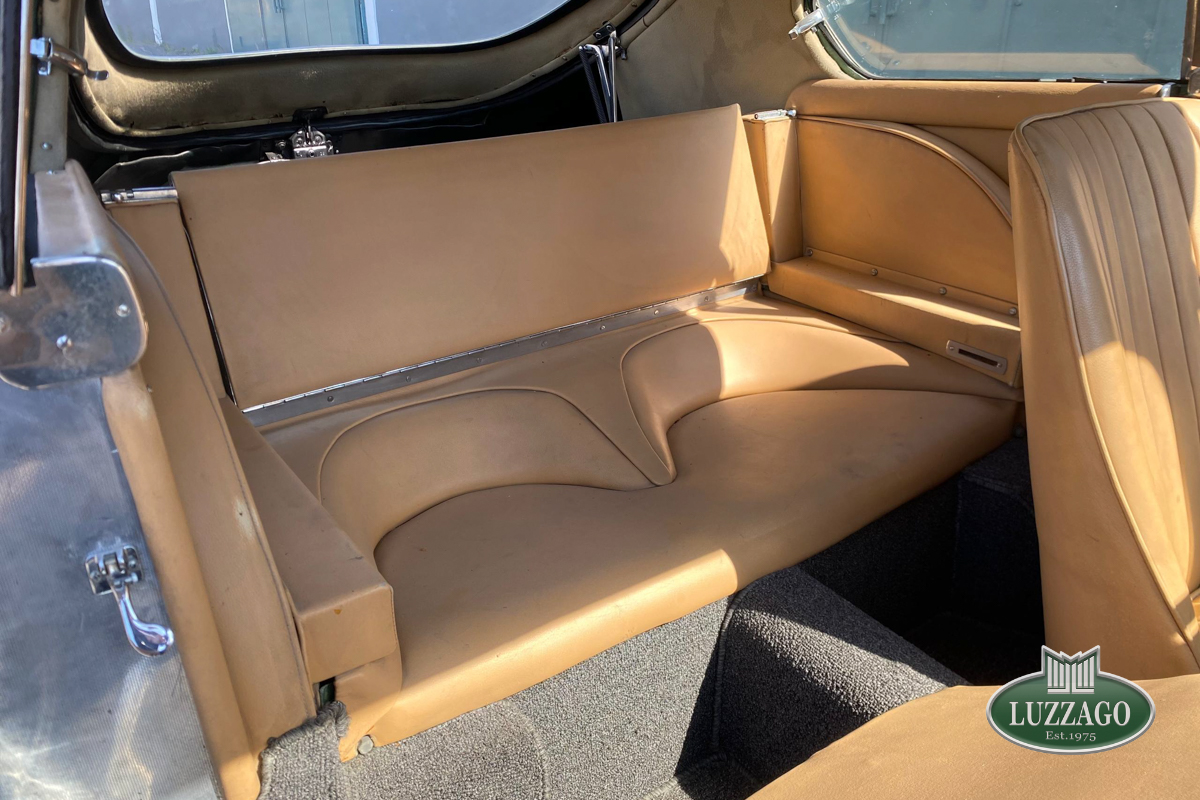
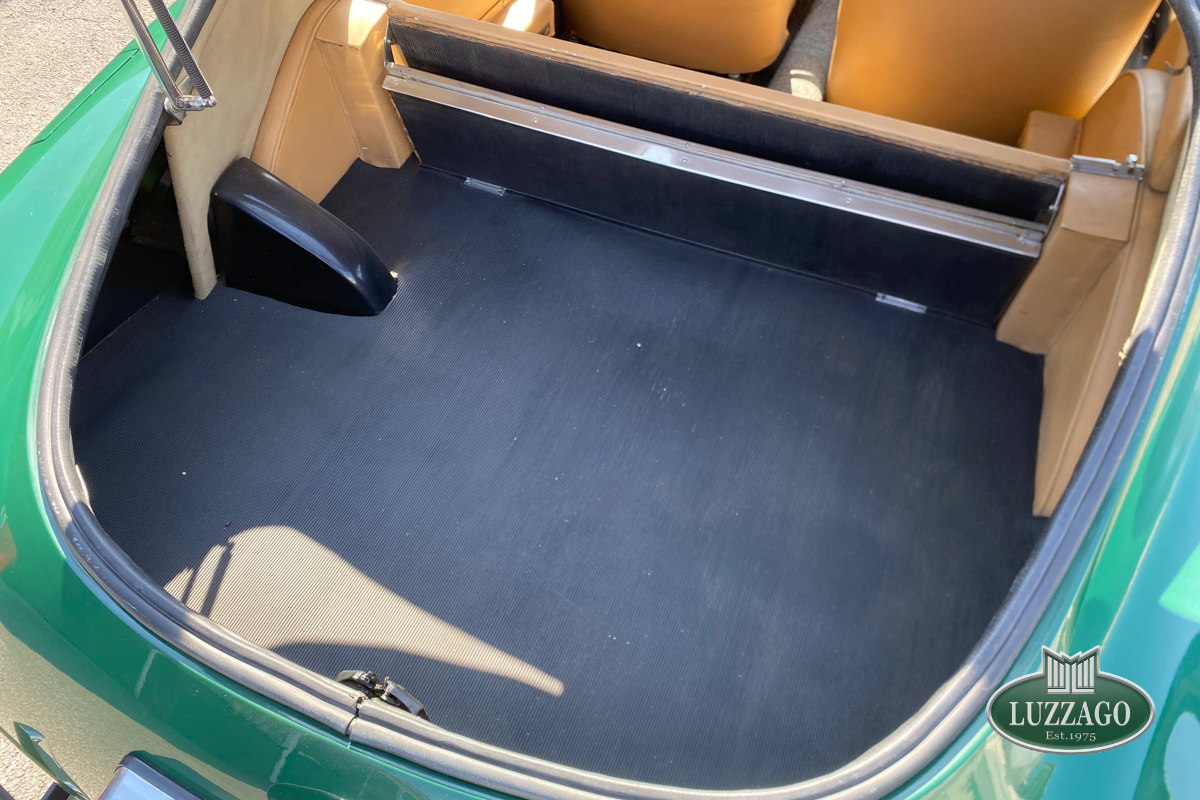
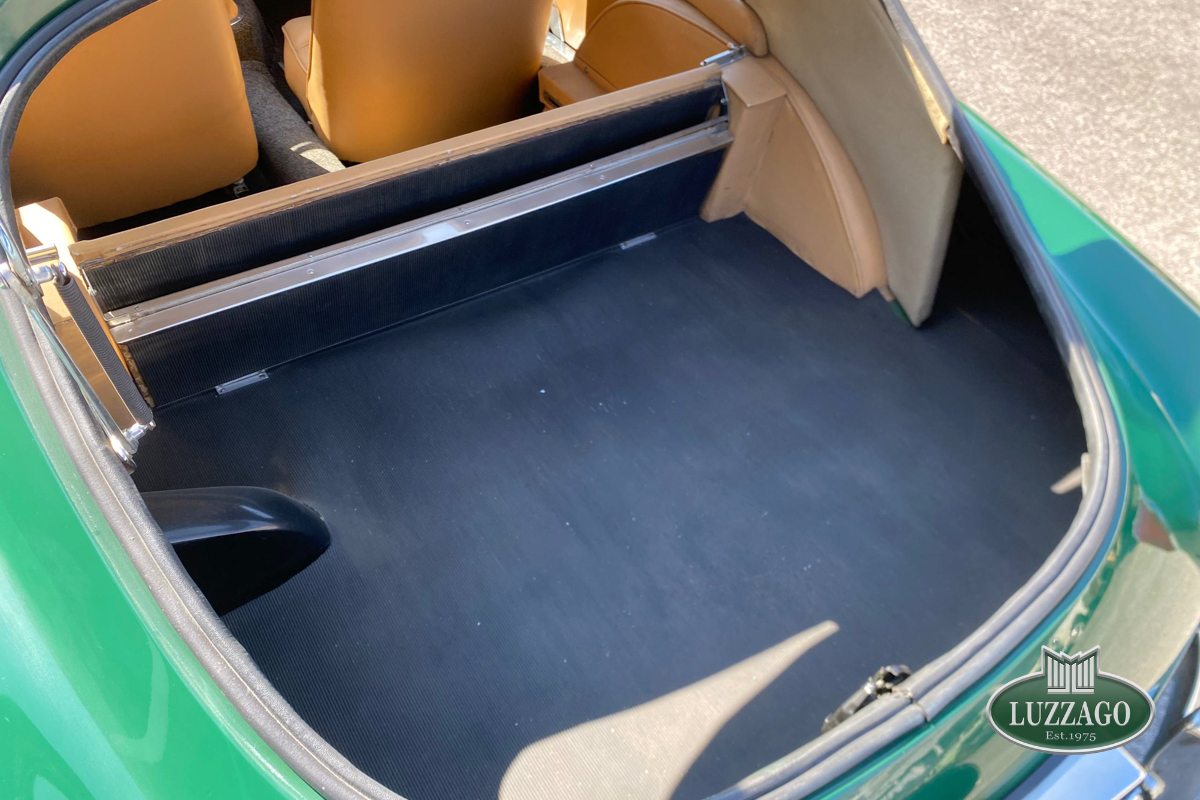
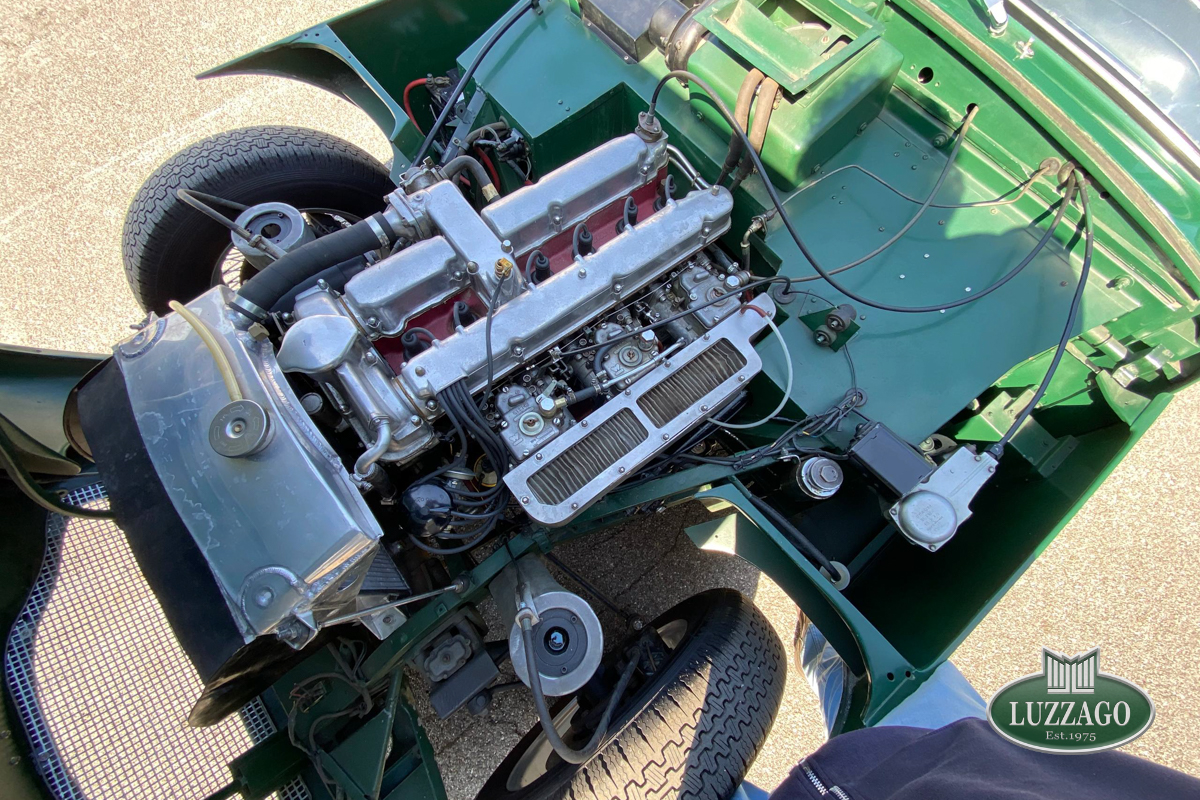
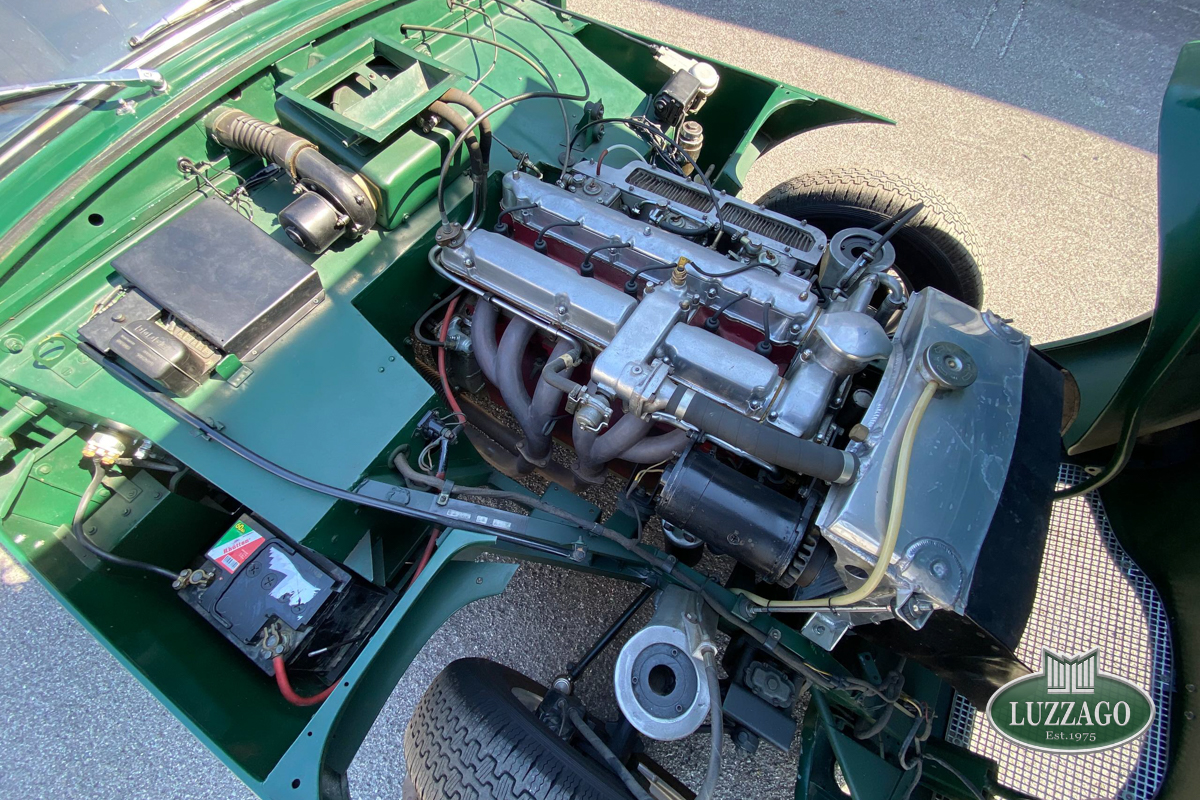
The DB 2/4 Mark III (normally simply called DB Mark III, even at the time of its introduction) is a grand tourer sold by Aston Martin from 1957 until 1959. It was an evolution of the DB2/4 Mark II model it replaced, using an evolution of that car's 2.9-litre Lagonda straight-6 engine.
It was succeeded by the Aston Martin DB4 in 1958.
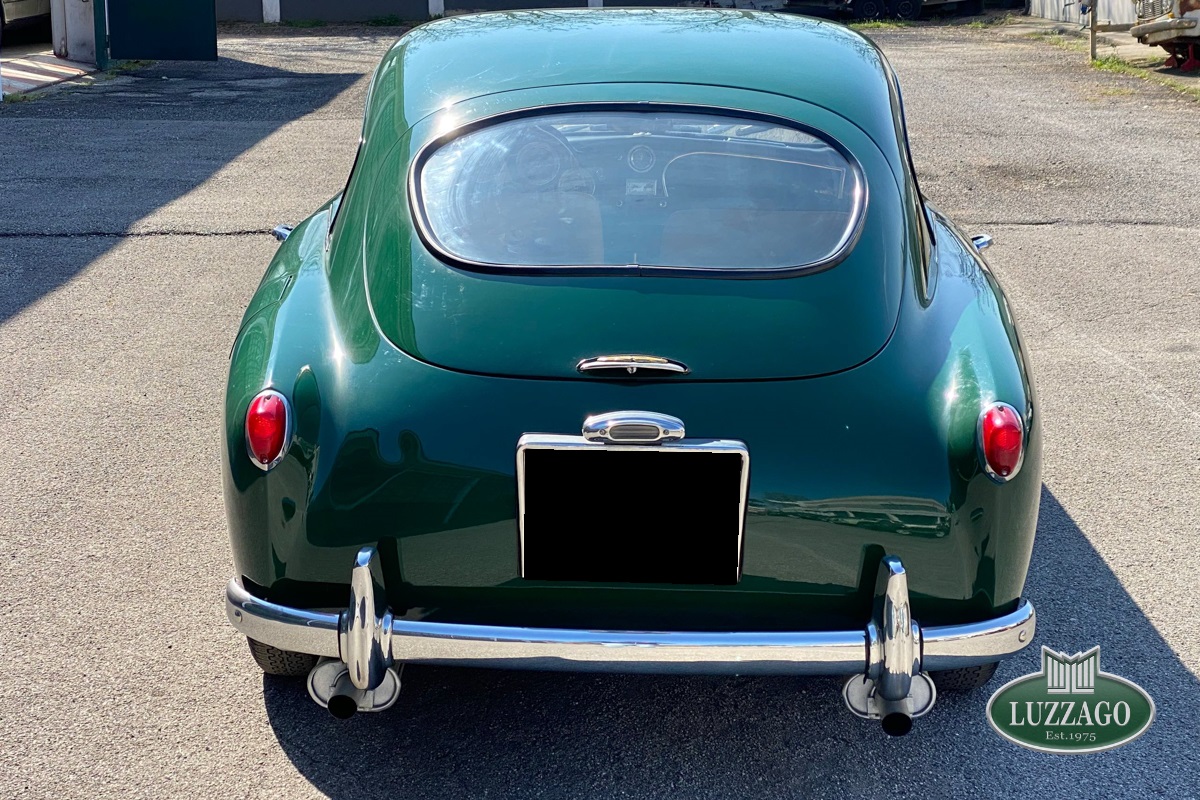
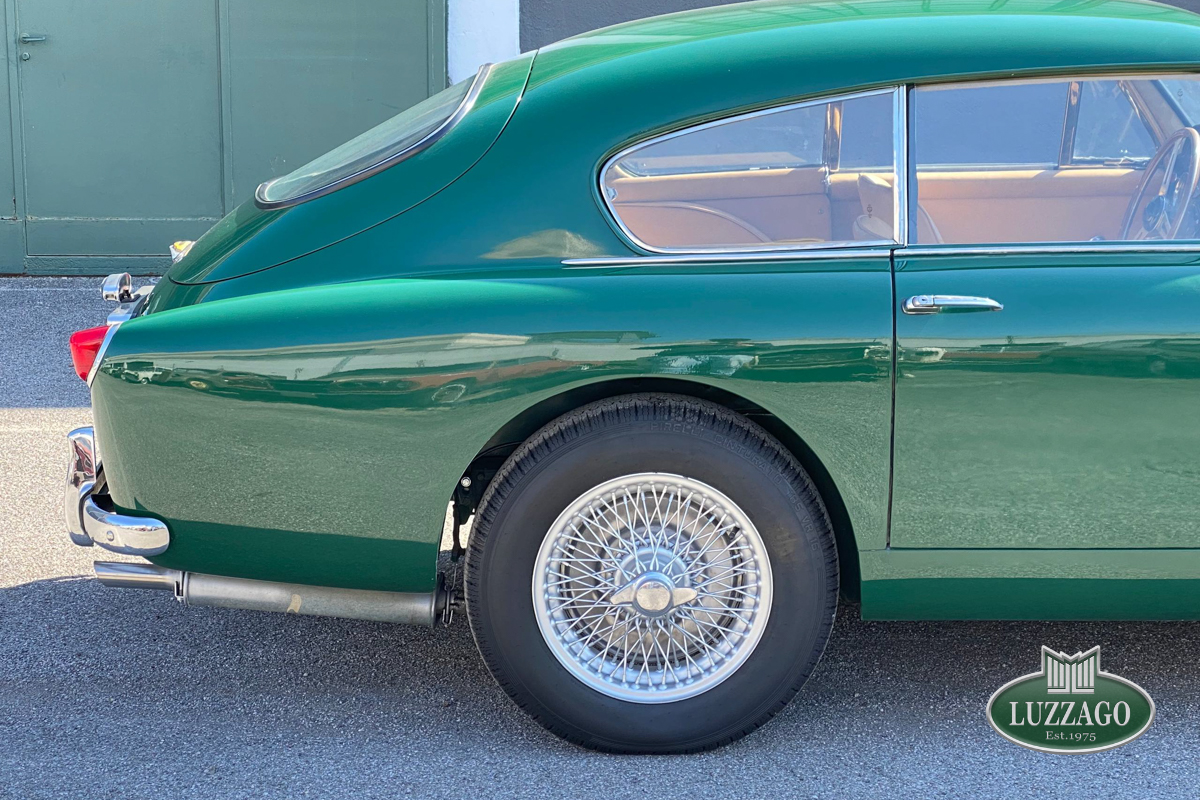
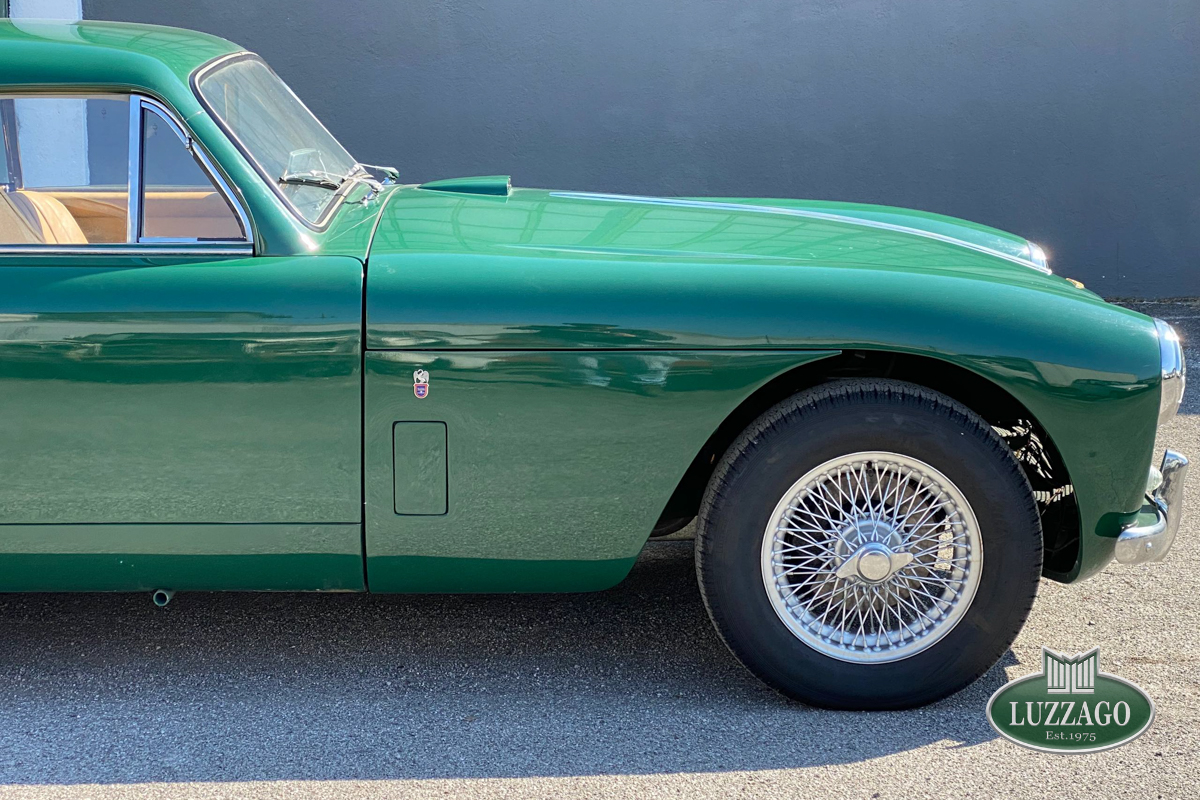
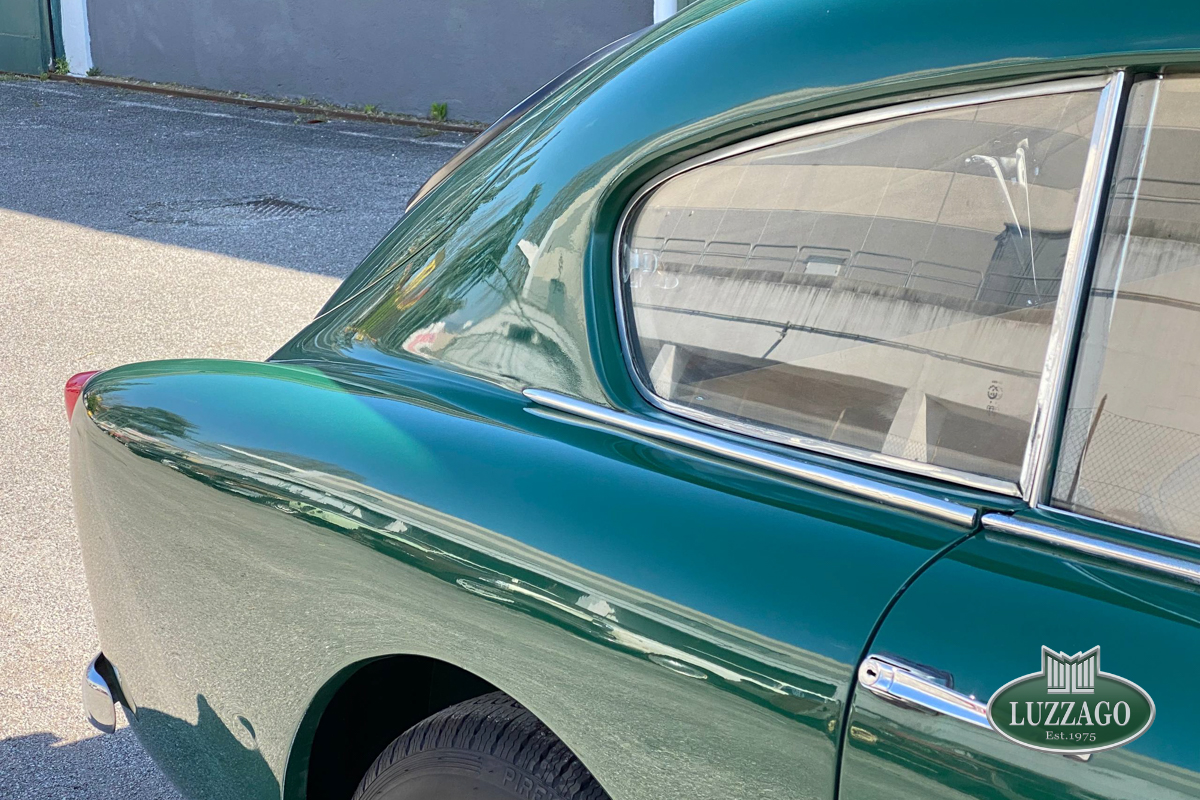
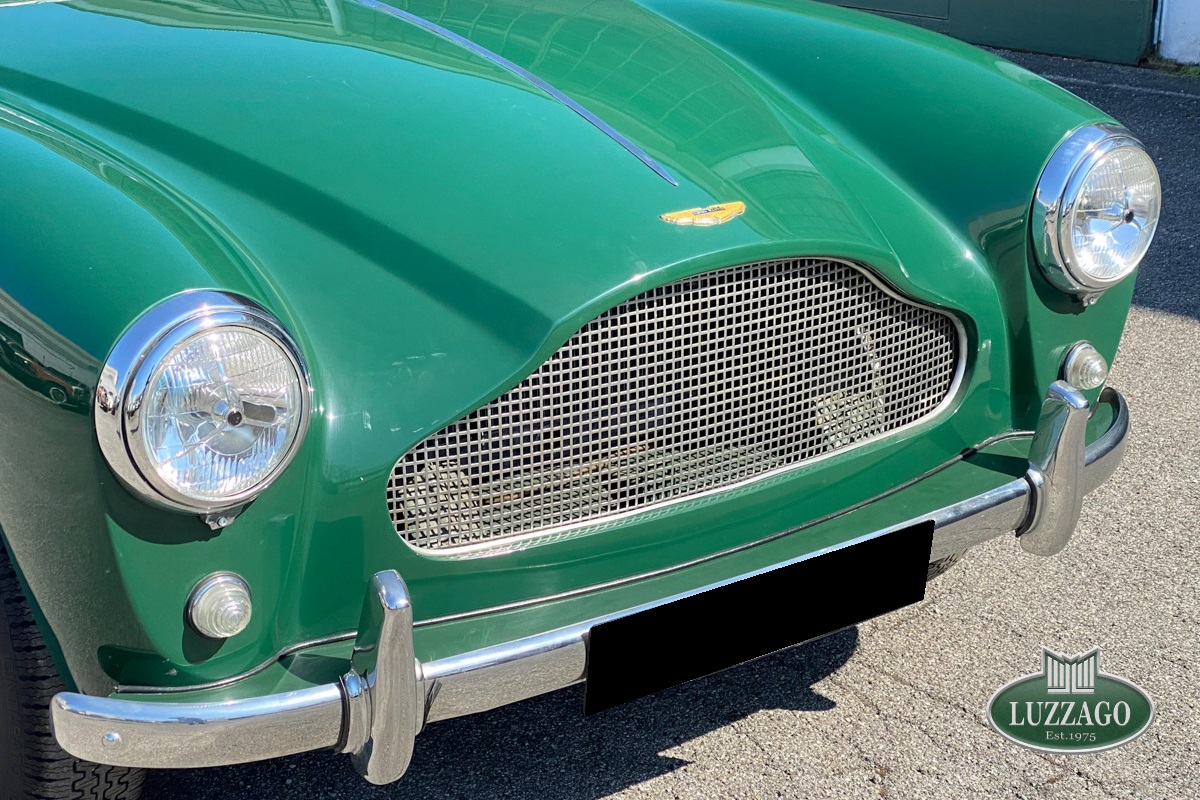
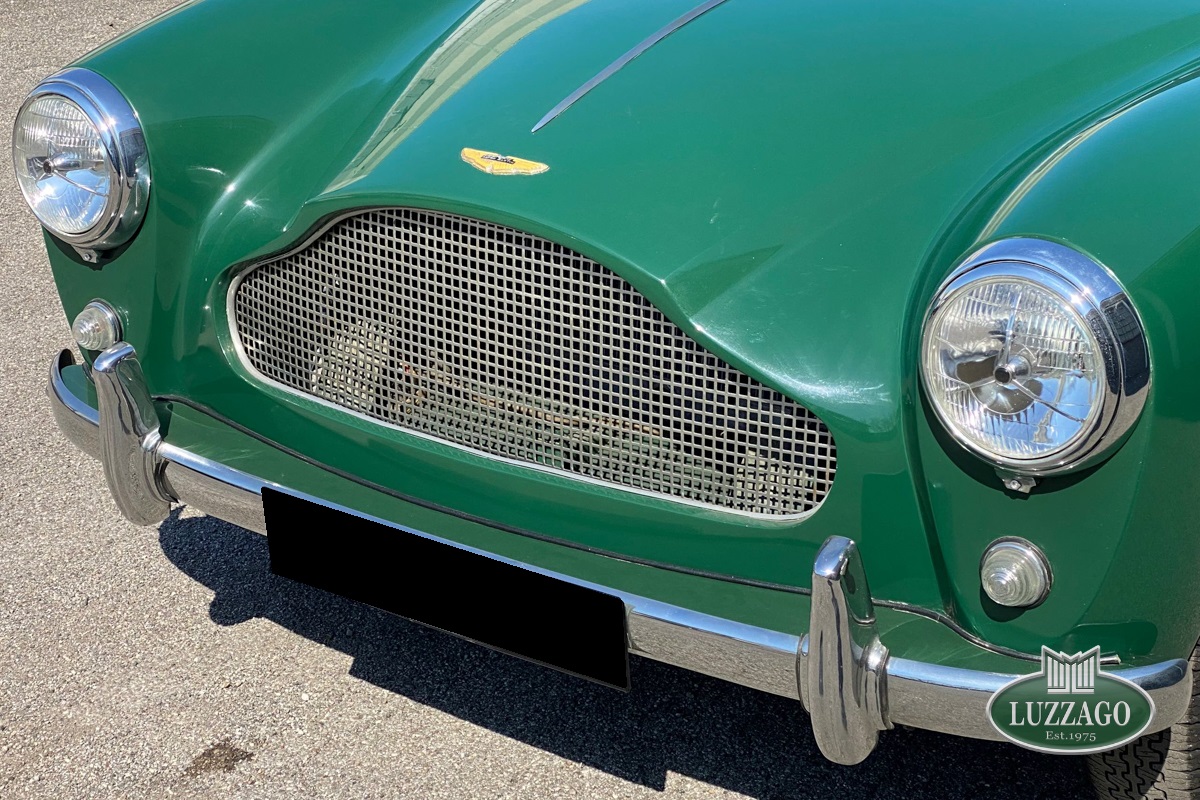
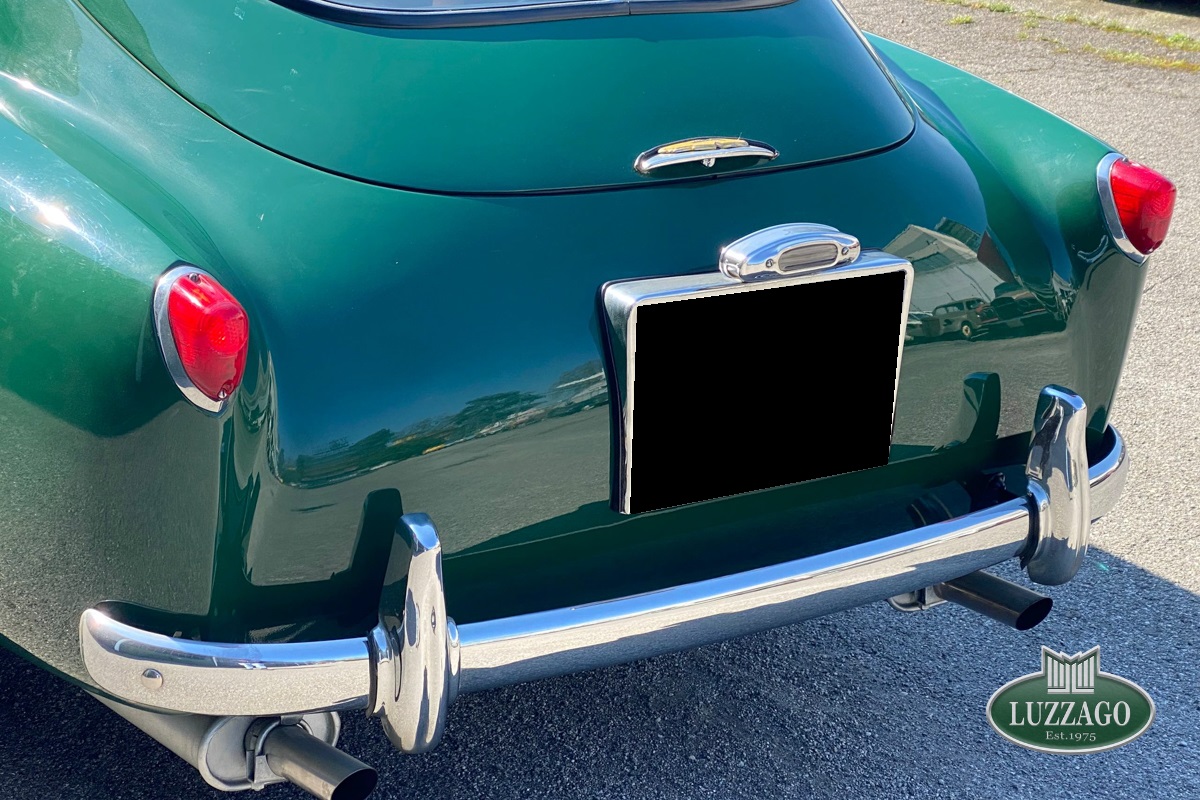
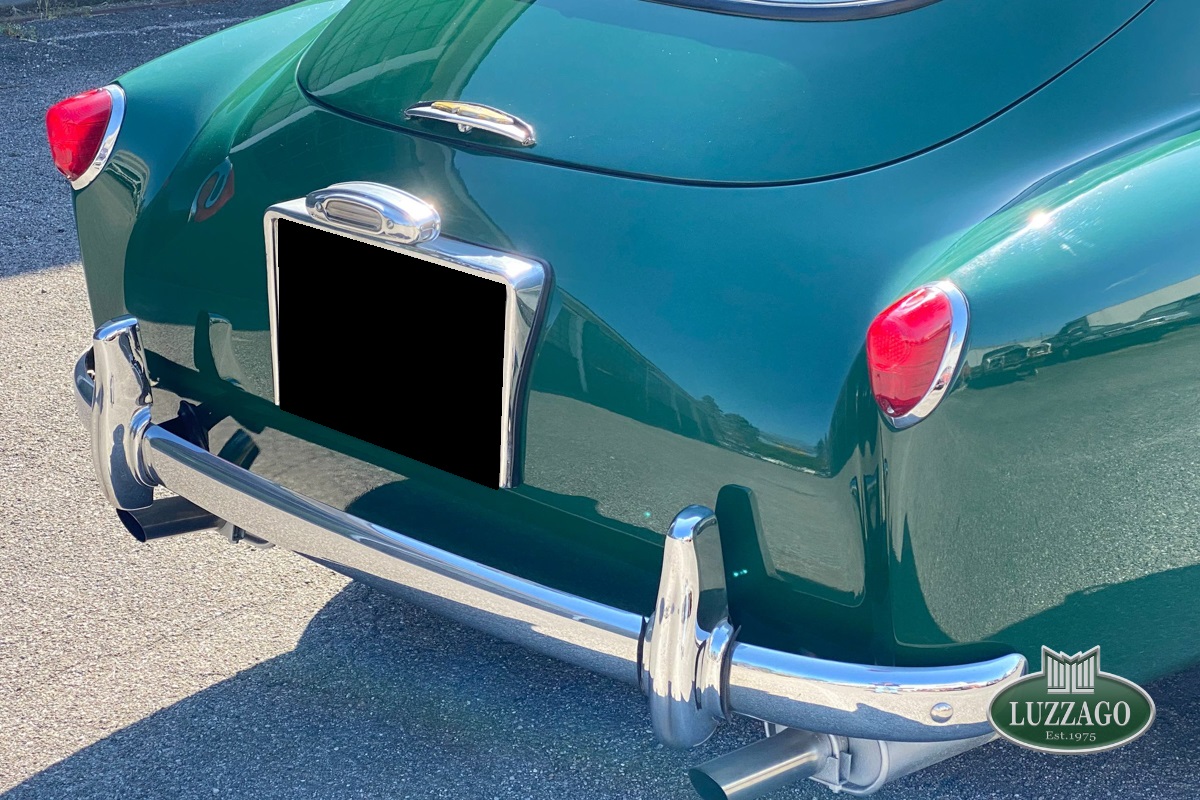
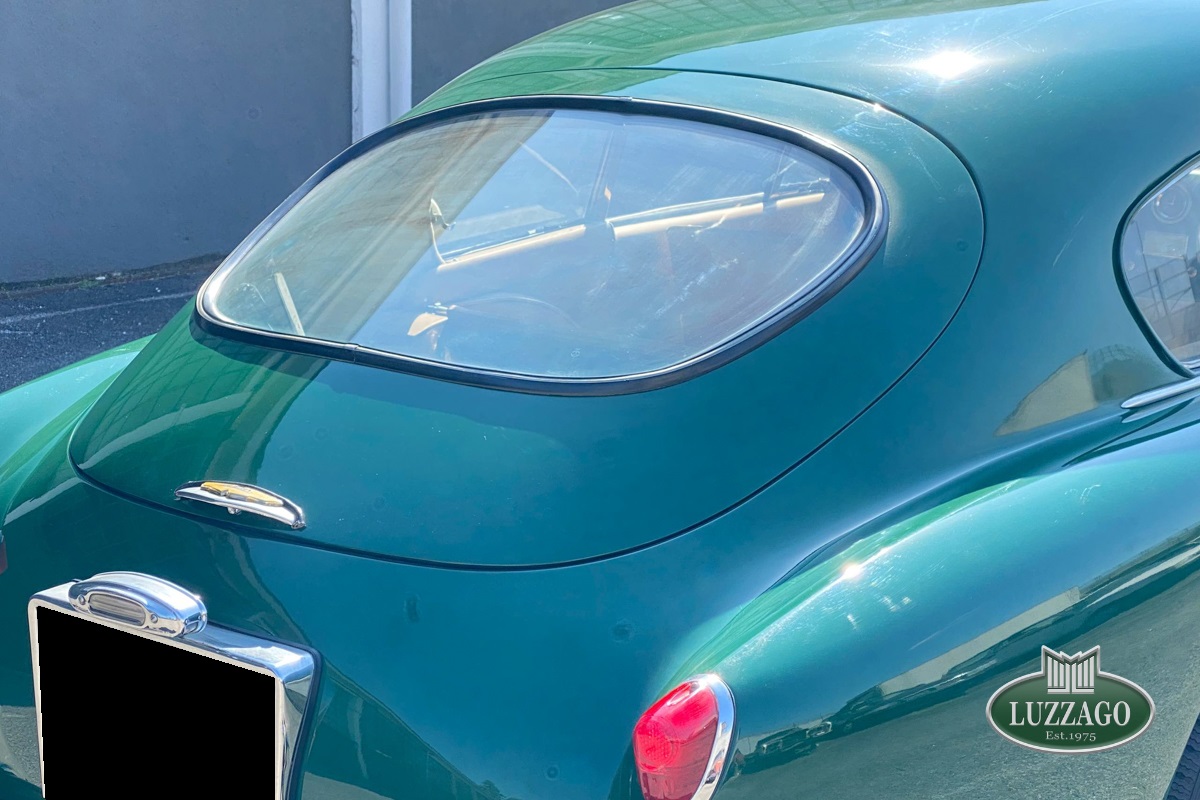
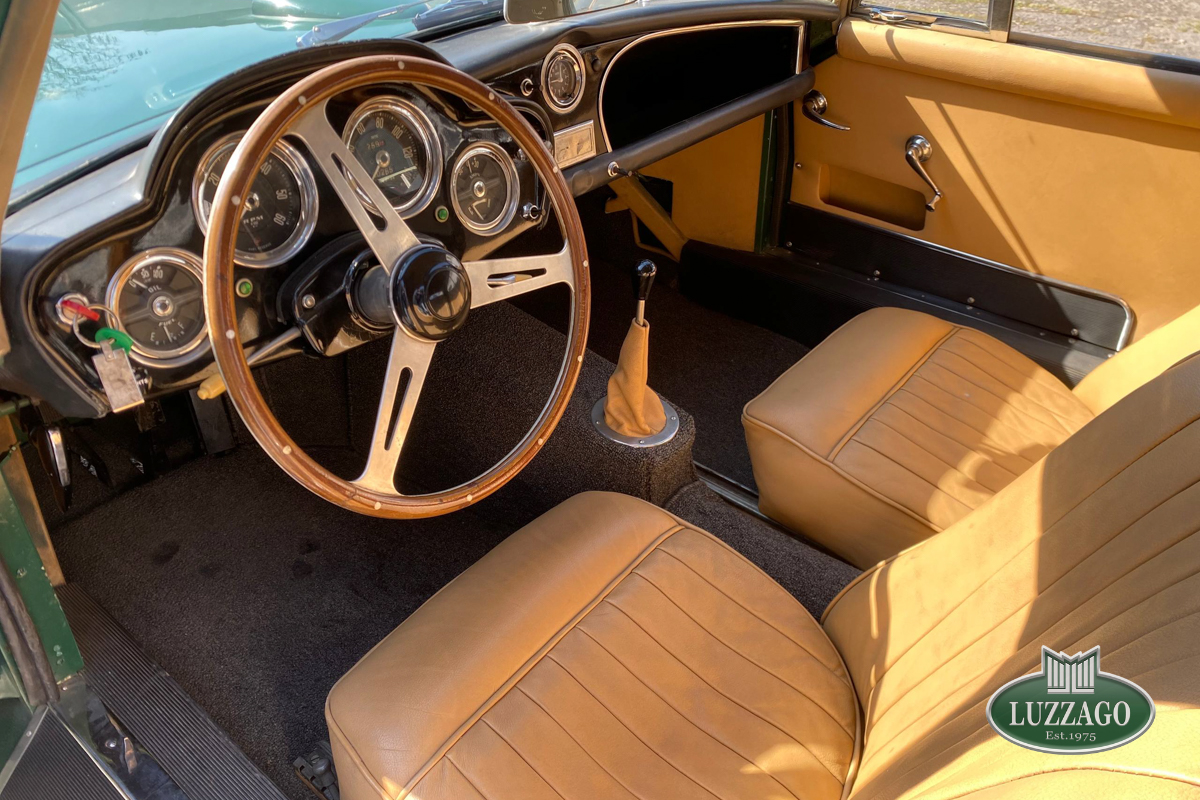
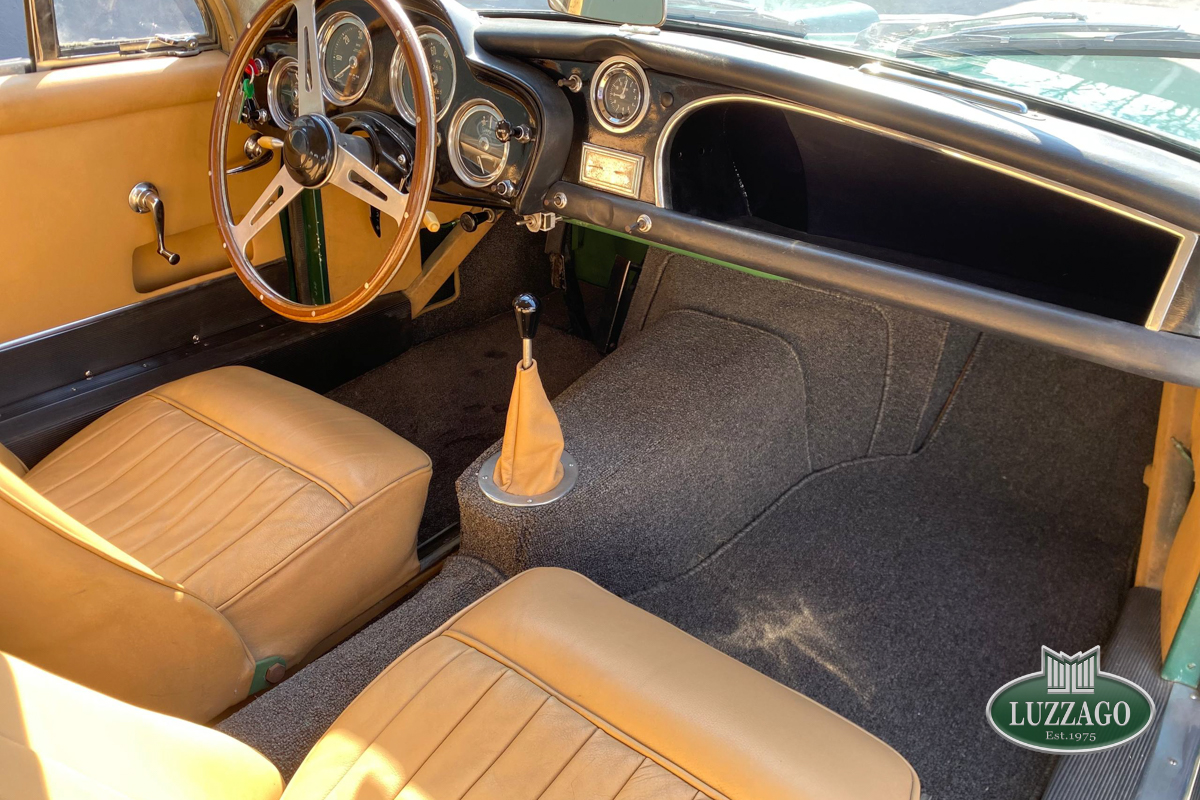
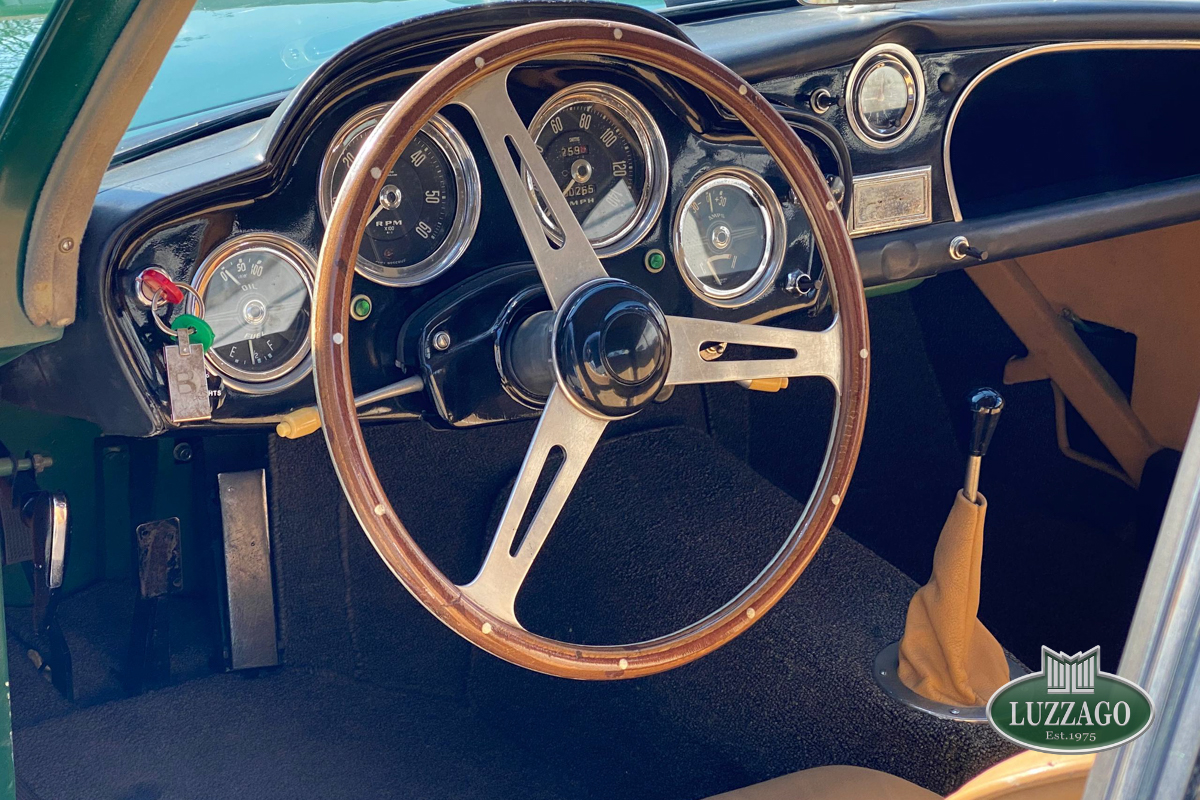
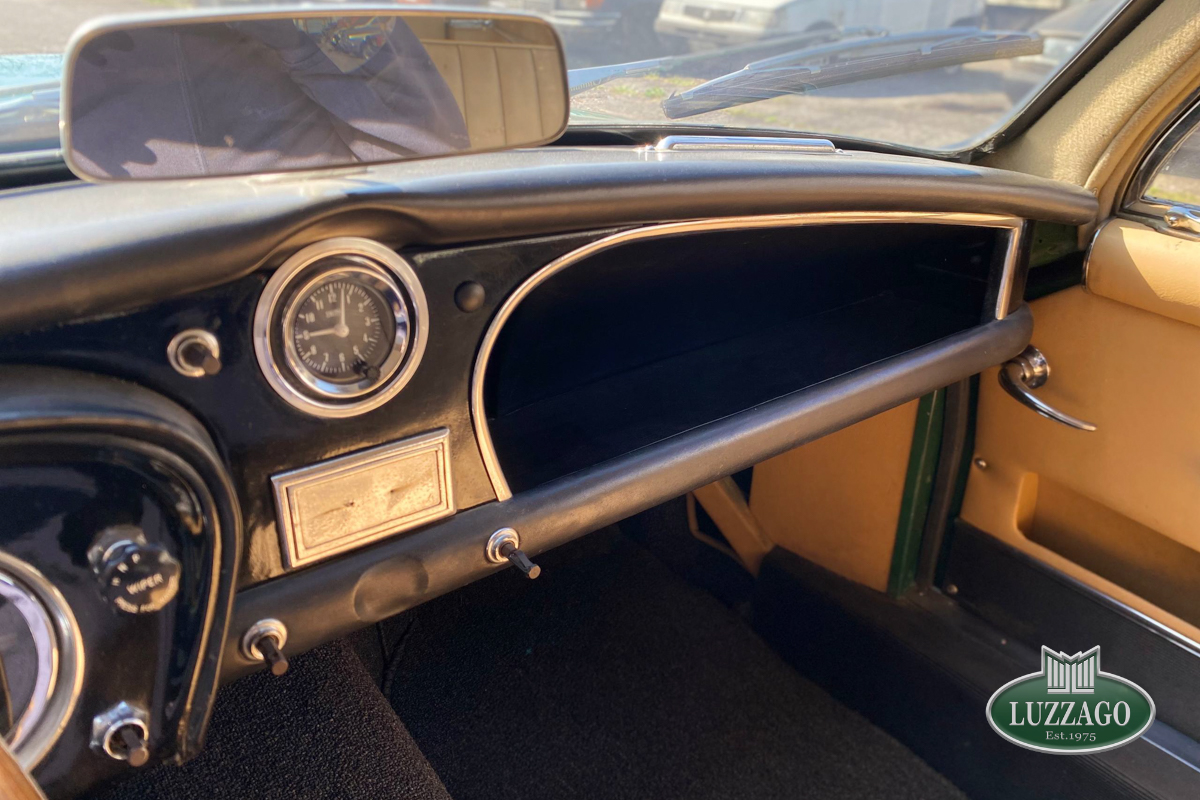
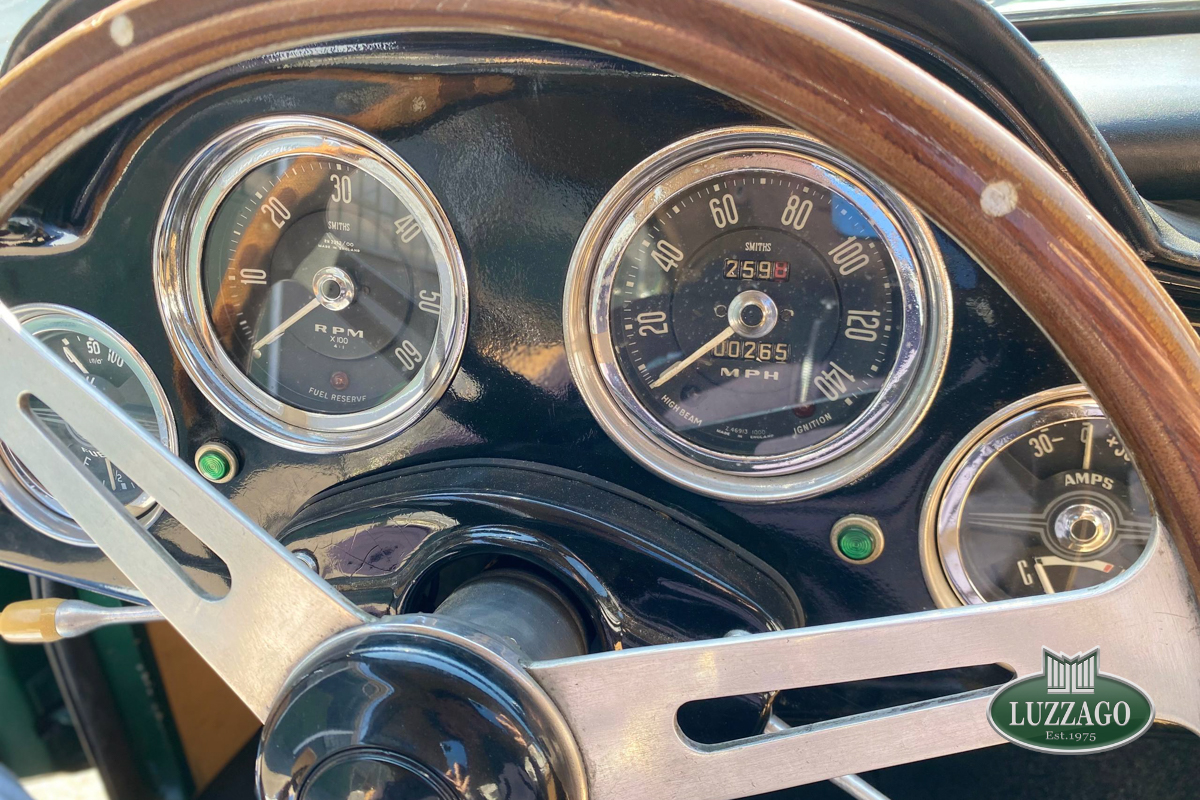
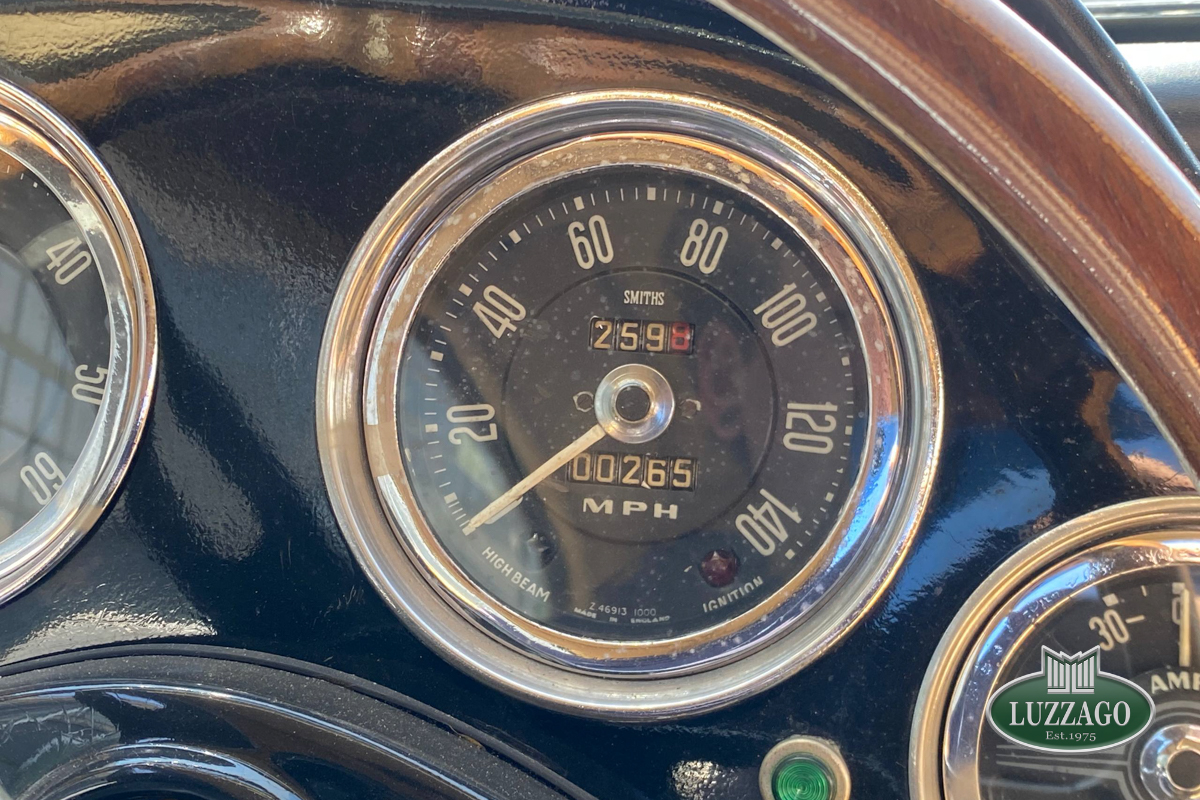
Changes included the front grille (designed by Bert Thickpenny and first seen on the DB3S) that would become the shape of all future Aston Martin models, a new instrument panel that replicated the shape of the grill, and after the first 100 cars Girling disc brakes. The hydraulically operated clutch was new as well, and an optional Laycock-de Normanville overdrive was offered with the standard four-speed gearbox, even an automatic transmission was available. Worm-and-sector steering and a live axle rear end were carryovers. At the rear, the DB2/4 Mark II's tailfins grew (after the 100 cars) and were altered to use the Lucas rear lights from the Humber Hawk and Alvis TD21.
At the time Aston Martin had already started to consider a replacement for the Frank Feeley designed DB2 series of cars ultimately resulting in the DB4. However, a quick update of the DB2/4 was also necessary and young designer John Turner, who was 17 at the time, suggested grafting the front of the DB3S onto the rear of the DB2/4. Thus the basic design for the DB Mark III was conceived.
Gallery
Technical data
Optional
Terms of sale
Automotive practices
You may also be interested
Find your dream car
.jpg)
€ 32.000
MG TC 1250 - 1947
C943
%20.jpg)
€ 39.000
MG TC 1250 - 1947
C908
.jpg)
€ 29.000
Cadillac 60 Fleetwood - 1948
INT20 - Complete umolested condition
.jpg)
€ 79.000
Simca 8 Havas Barchetta Sport - 1948
C1038
.jpg)
€ 12.500
Moto Guzzi Astore 500 - 1949
C000
(1).jpg)
€ 8.000
Fiat 500 C - 1951
C925
(1).JPG)
€ 15.500
Fiat 500 C Belvedere Legno Carr.Speciali - 1951
C542 - Special Fiat bodywork
.jpg)
€ 16.000
Renault 4 CV - 1952
L215
.jpg)
€ 13.900
Fiat 500 C Belvedere - 1952
C000
.JPG)
€ 7.500
Fiat 500 C Belvedere - 1952
C342
€ 2.500
Lancia Ardea S3 RHD - 1952
C000
.jpg)
€ 1.500
Benelli Leoncino 125 - 1952
L406
.jpg)
Prezzo su richiesta - P.O.R.
Nash Healey Roadster (1 of 254) - 1952
L000
.jpg)
€ 39.000
Alfa Romeo 1900 - 1953
C000
.jpg)
€ 135.000
Lancia Aurelia B20 S3 RHD (1 of 719) - 1953
C904 - Mille Miglia eligible
(2).jpg)
€ 85.000
Jaguar XK 120 FHC - 1953
C606 - British Heritage
Prezzo su richiesta - P.O.R.
Jaguar XK 120 OTS - 1953
C000
.jpg)
€ 135.000
Jaguar XK 120 OTS3.4 SE M Version - 1953
C1005 - Jaguar Heritage
.jpg)
€ 37.000
Lancia Aurelia B12 RHD - 1954
C882
.jpg)

 CA Auto Bank offer subject to approval. Pre-contractual documentation at the Dealership and on the CA Auto Bank website (Transparency section). Advertising message for promotional purposes.